
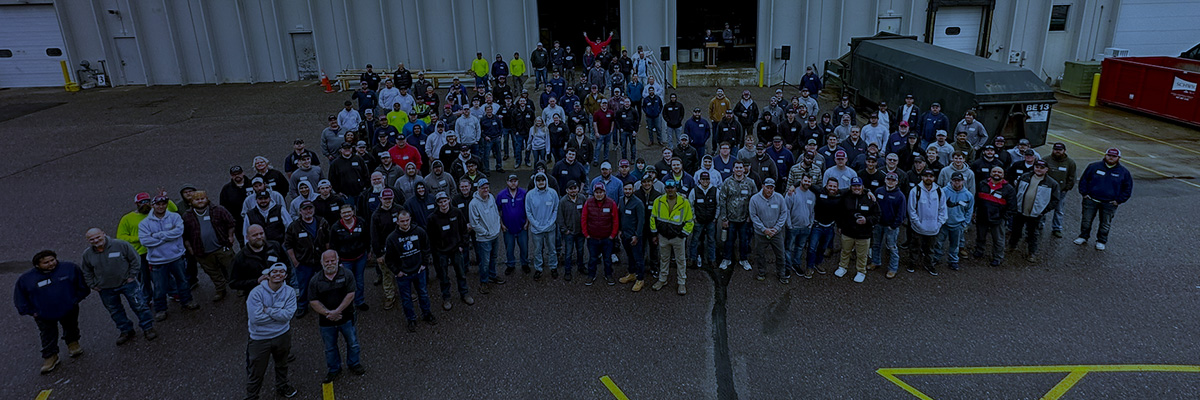
Most companies don’t make it to 10 years. Getting to 50 is rare. Reaching 120 means something went right – not once, but over and over again, across generations, market shifts, and industries that looked completely different than when you started.
Schwickert’s is marking 120 years in business in 2026. That number is worth pausing on. But the more interesting story isn’t the number – it’s what it took to get here, and why the same principles that kept Schwickert’s going in 1906 still drive decisions today.
It Started With a Hardware Store and an Eighth-Grade Education
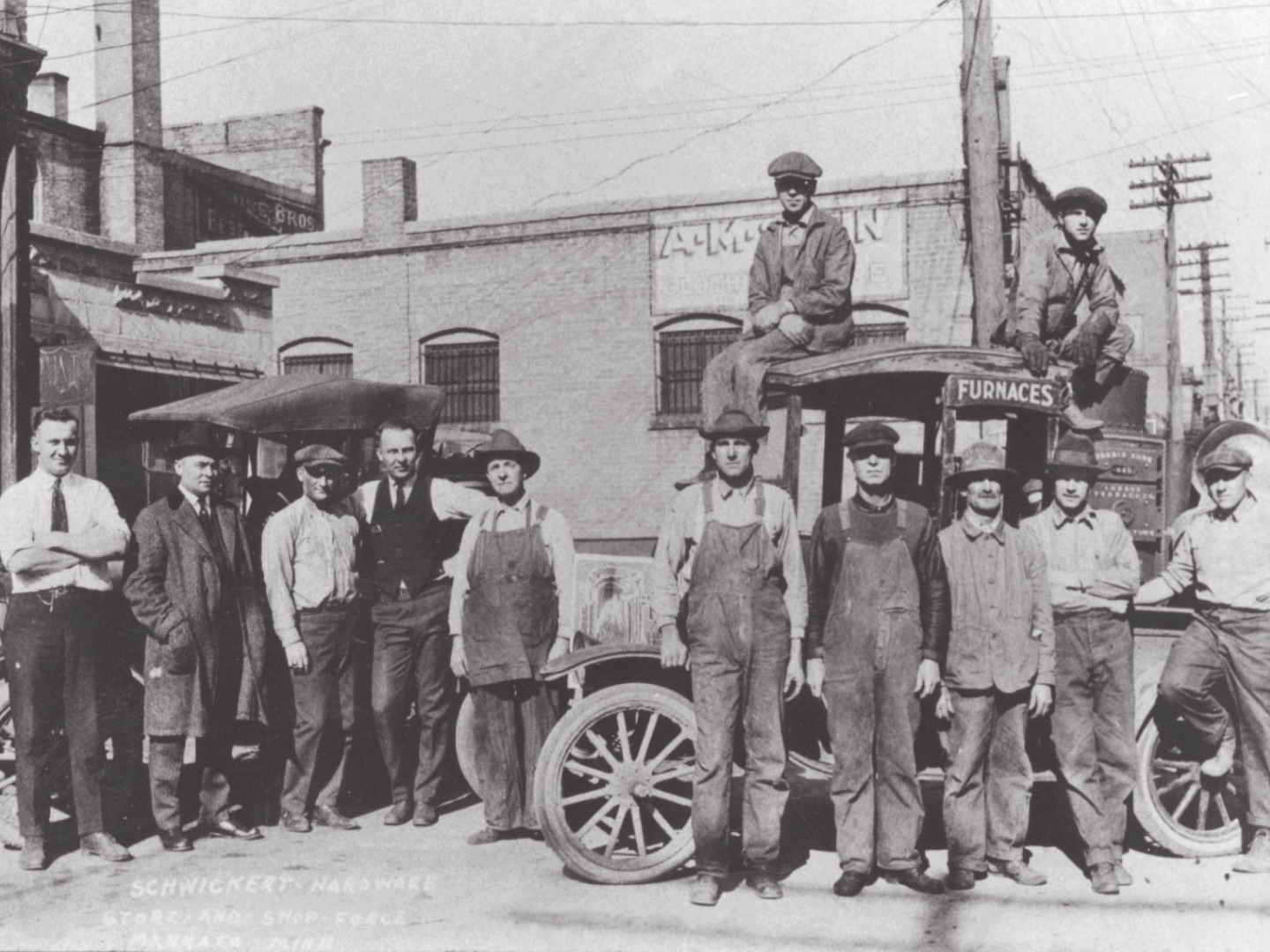
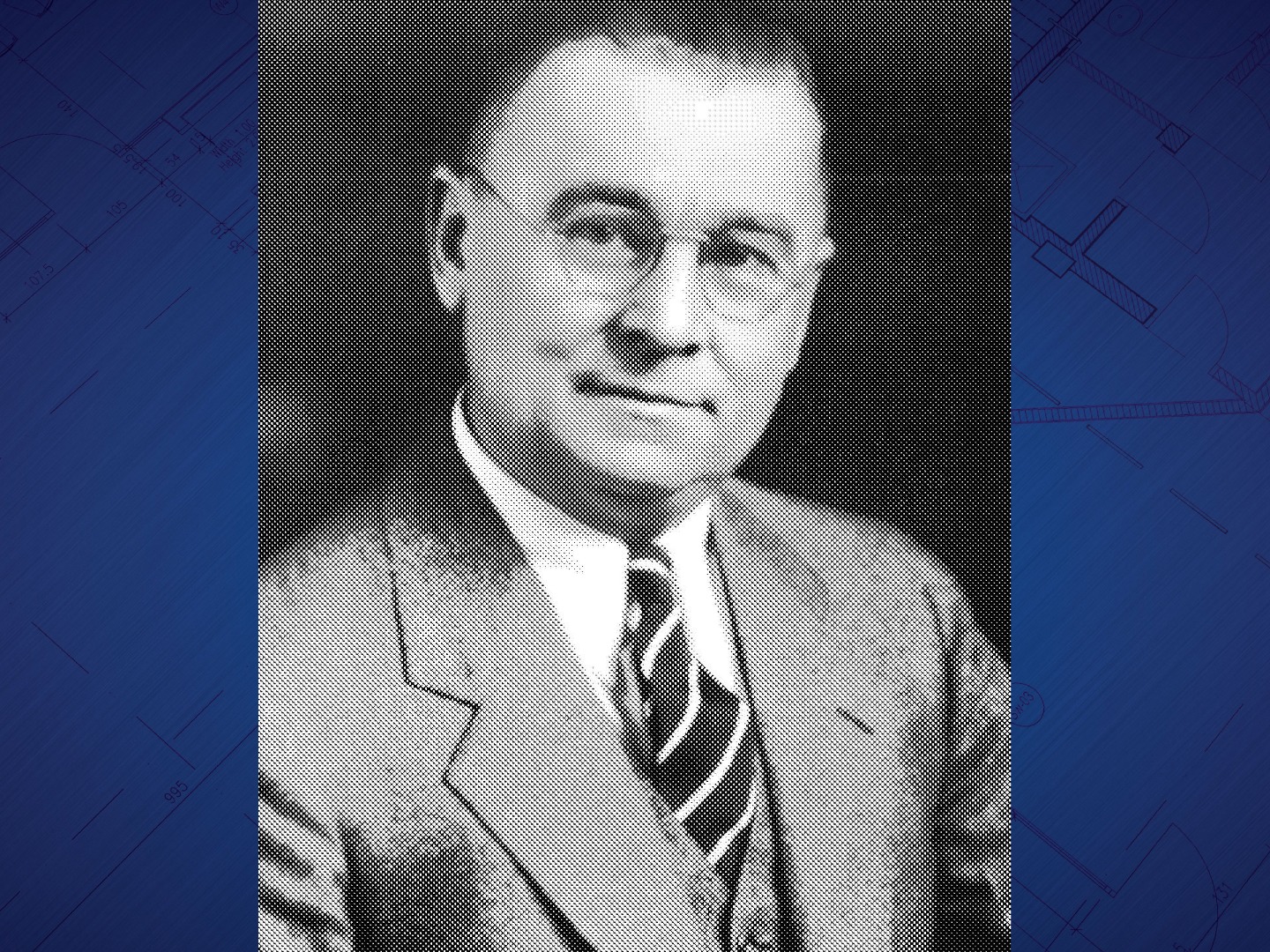
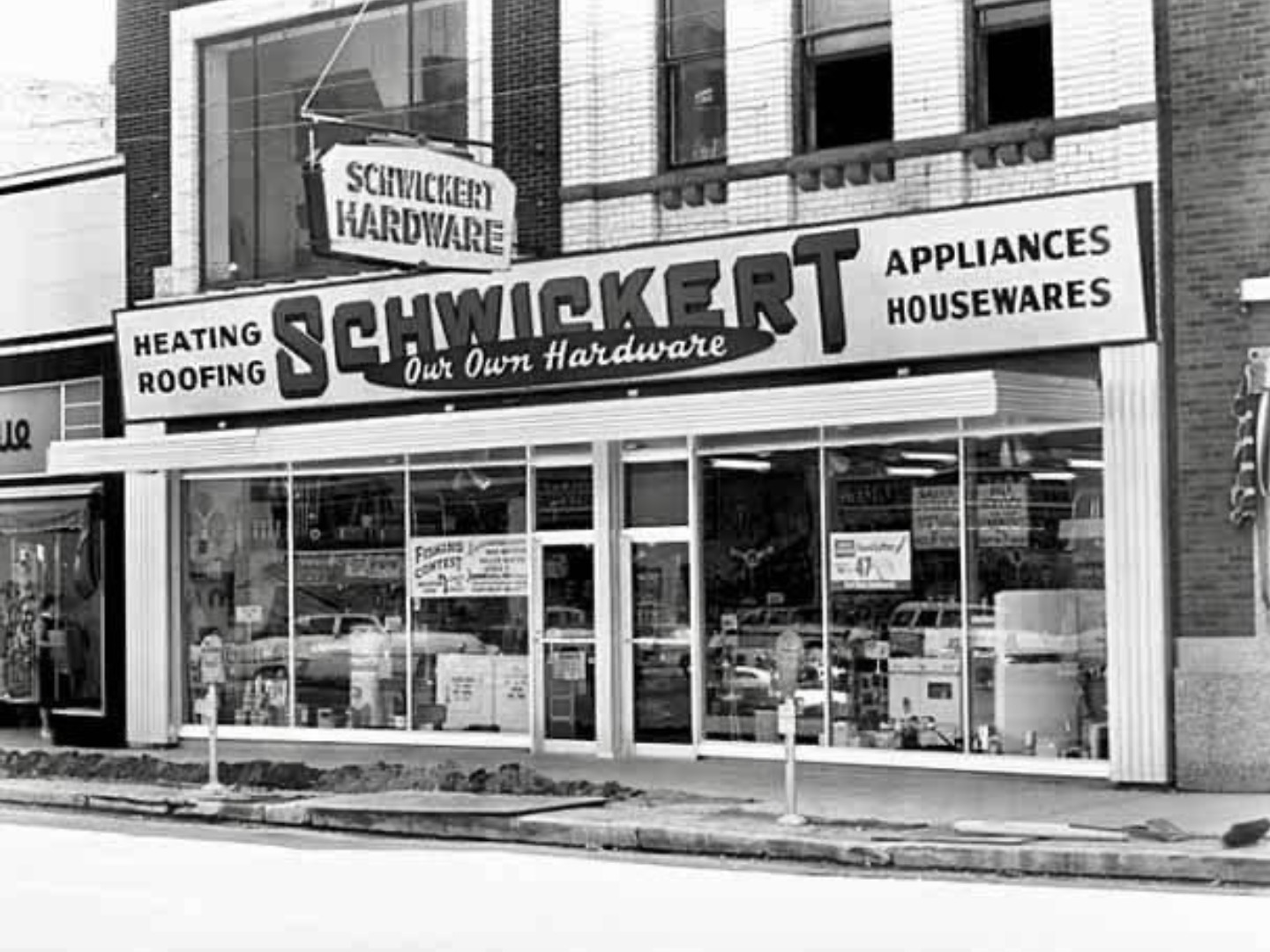
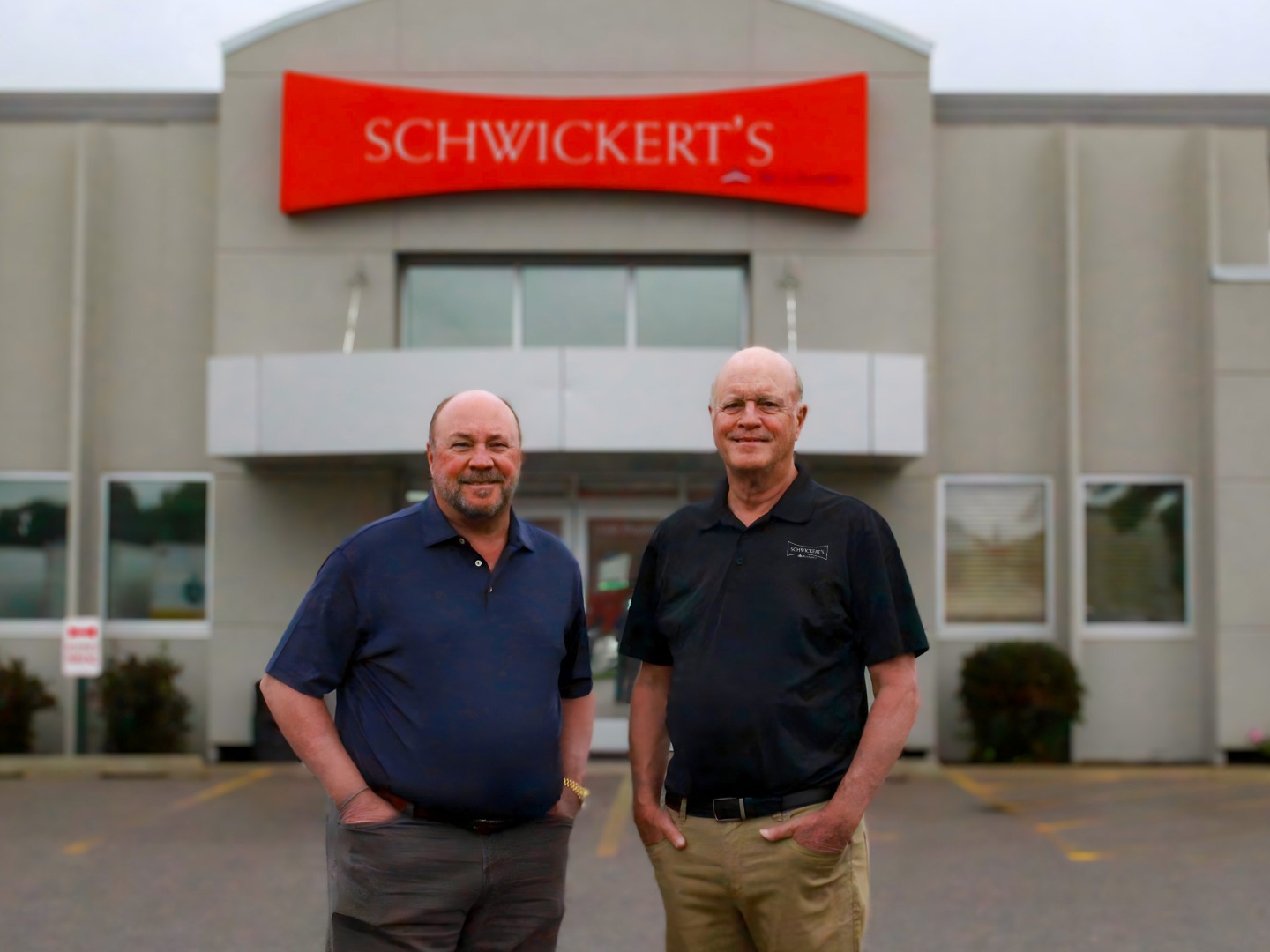
George Schwickert founded the company in Mankato, Minnesota in 1906 as a hardware store. By the time his son Leas joined in 1947, it had already grown into something more. By the time grandsons Kent and Kim Schwickert took over in the late 1970s and early 1980s, they were leading what their grandfather had started – and feeling the weight of it.
“If you screw up, there are 200 families that don’t have a job,” Kim Schwickert said, reflecting on what it meant to inherit that responsibility. His grandfather had built the largest hardware store in southern Minnesota with an eighth-grade education. That was the standard they were working to uphold.
What followed under Kent and Kim’s leadership was steady, deliberate expansion – into Rochester in 1983, into the Twin Cities metro in 2012, and into Kansas in 2016. Each step was calculated. None of it was accidental.
What We See in the Field: Growth That Comes From Knowing Your People
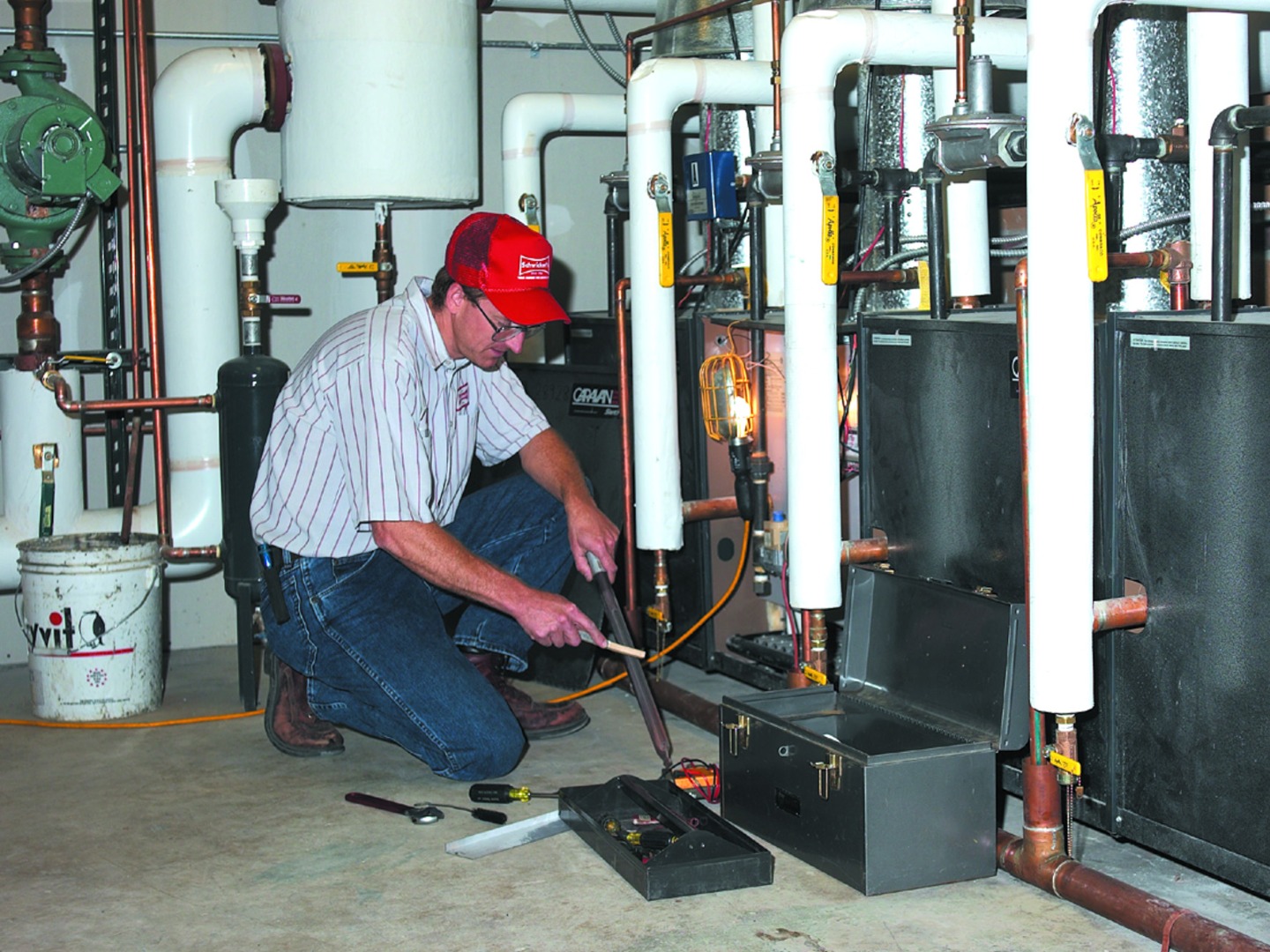
Derek Homrighausen, who became president of Schwickert’s in 2024, started his career as an HVAC technician after technical college. He moved into service management, then director roles, then vice president, then president. That path is not unusual at Schwickert’s – it is the point.
“It’s a nonstop balance of knowing your people, reading your people, going through seasons with your co-workers and seasons with your communities,” Homrighausen said.
That shows up in the numbers. Schwickert’s currently has 20 employees with more than 20 years of service, and several with more than 30 or even 40 years. In an industry with notoriously high turnover, that kind of retention doesn’t happen by accident. It happens when people feel like they have somewhere to go within a company – and when leadership actually knows who they are.
The company also runs an in-house accredited apprenticeship program. Apprentices receive a combination of on-the-job training, classroom instruction, and mentorship from Schwickert’s own experienced professionals. All of this allows them to build a successful career in the roofing industry. The program supports career advancement while helping address the industry’s growing need for skilled tradespeople.
What Impacts Longevity the Most
A lot of companies survive by staying the same. Schwickert’s thrives by doing the opposite.
The company went from selling hardware and early appliances to becoming a full-service commercial roofing and mechanical contractor. It added HVAC. Then plumbing. Then architectural metals and electrical work. Then facility maintenance. Then air duct cleaning in 2019. Each expansion came in response to what customers and markets needed – not just what was comfortable.
“There’s just constant, constant intent for growth and willingness to change as the different markets change, as the different trades change, as the different community needs change,” Homrighausen said.
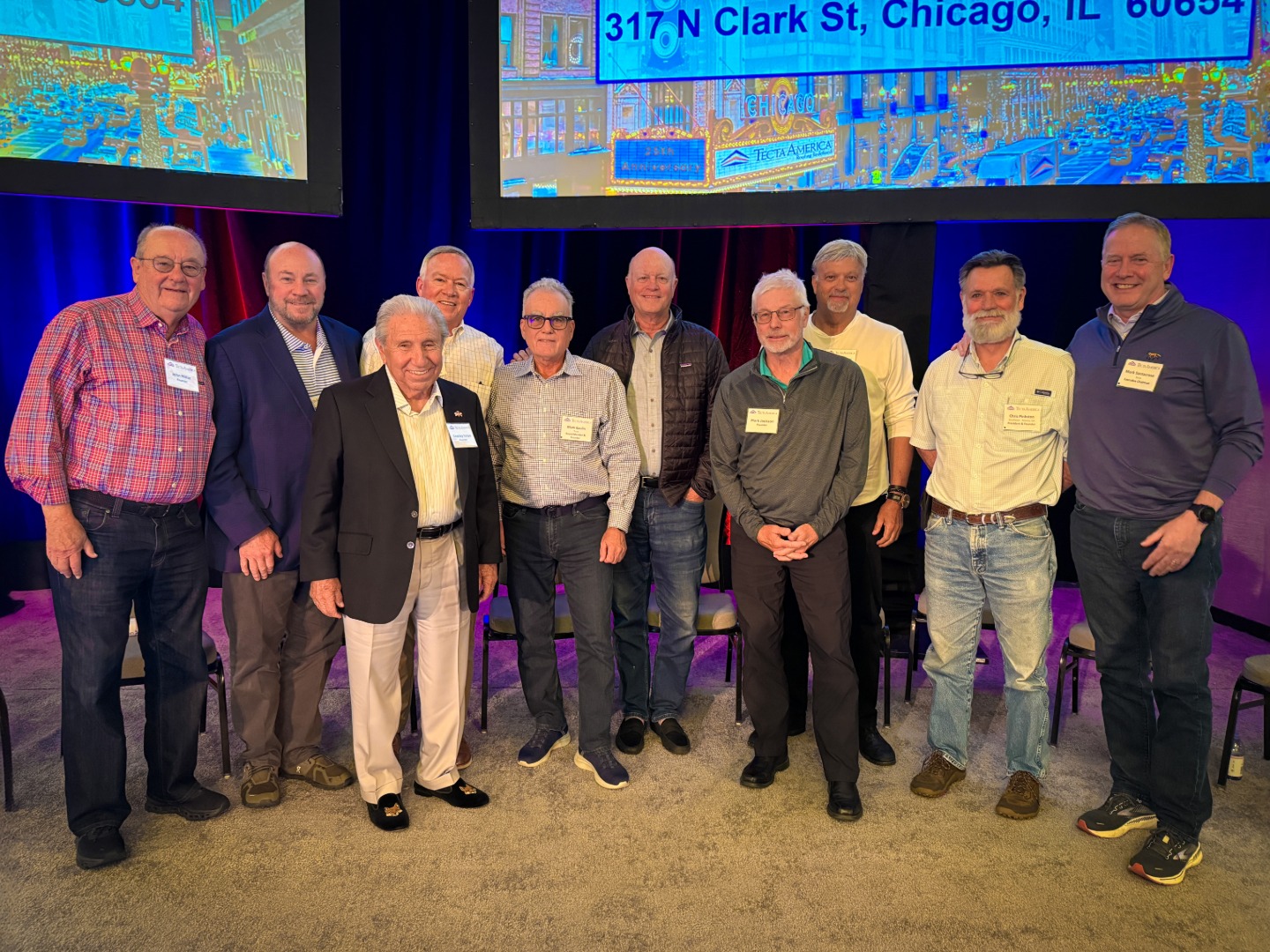
In 2000, Schwickert’s became a founding member of Tecta America Corp., now the largest roofing contractor in North America. That move gave the company access to a national network of more than 100 contractors while still allowing it to operate regionally and independently. It’s the kind of partnership that makes a company stronger without making it generic.
Common Mistakes Companies Make at This Stage
Companies that reach milestones like 120 years sometimes make the mistake of treating the anniversary as the story. It isn’t. The anniversary is the result. The story is everything that happened before it.
The other common mistake is assuming that what worked for the last 40 years will work for the next 40. Kim Schwickert put it plainly: “You are constantly morphing. You have to. If you don’t change, you get buried.”
That mindset is what separates companies that last from companies that coast. Coasting gets you a few good years. Constant adaptation gets you 120.
The Schwickert's Difference
What makes Schwickert’s unusual isn’t just the age of the company – it’s that the company still operates with the same values that built it. Julie Leiferman, director of sales and business development, described the approach to clients this way: “We are not there to score a big sale. We are there for whatever your needs are, whether it’s emergency service, whether it’s budgeting, or whether it’s asset management. There are just so many solutions that we provide for clients and become more of a consultant for them than somebody who’s out there to make a sale.”
That’s not a sales pitch. That’s a 120-year operating philosophy.
Dan Alleven, who has been with Schwickert’s since 1983, has watched the HVAC department grow from three service technicians to more than 20. “I never thought it would get to be that big,” he said. His career is a version of the company’s story in miniature — steady, committed, and built over time.
What This Means for the Next 120 Years
Homrighausen said he’d want to tell George Schwickert one thing if he could: “I want to show you what you built.”
What George built was a business. What four generations of leadership built after him was a company with real staying power – not because the industry didn’t change, but because the people inside it never stopped adapting to it.
120 years is not a finish line. It’s a proof point.
Work With a Company That's Still Here for a Reason
If you’re managing a commercial facility in Kansas, Minnesota, or the surrounding regions, Schwickert’s has been doing exactly that for 120 years.
Contact our team to start a conversation about your project, your facility’s needs, or your long-term maintenance plan. We’re not here to make a sale. We’re here to be your partner.