
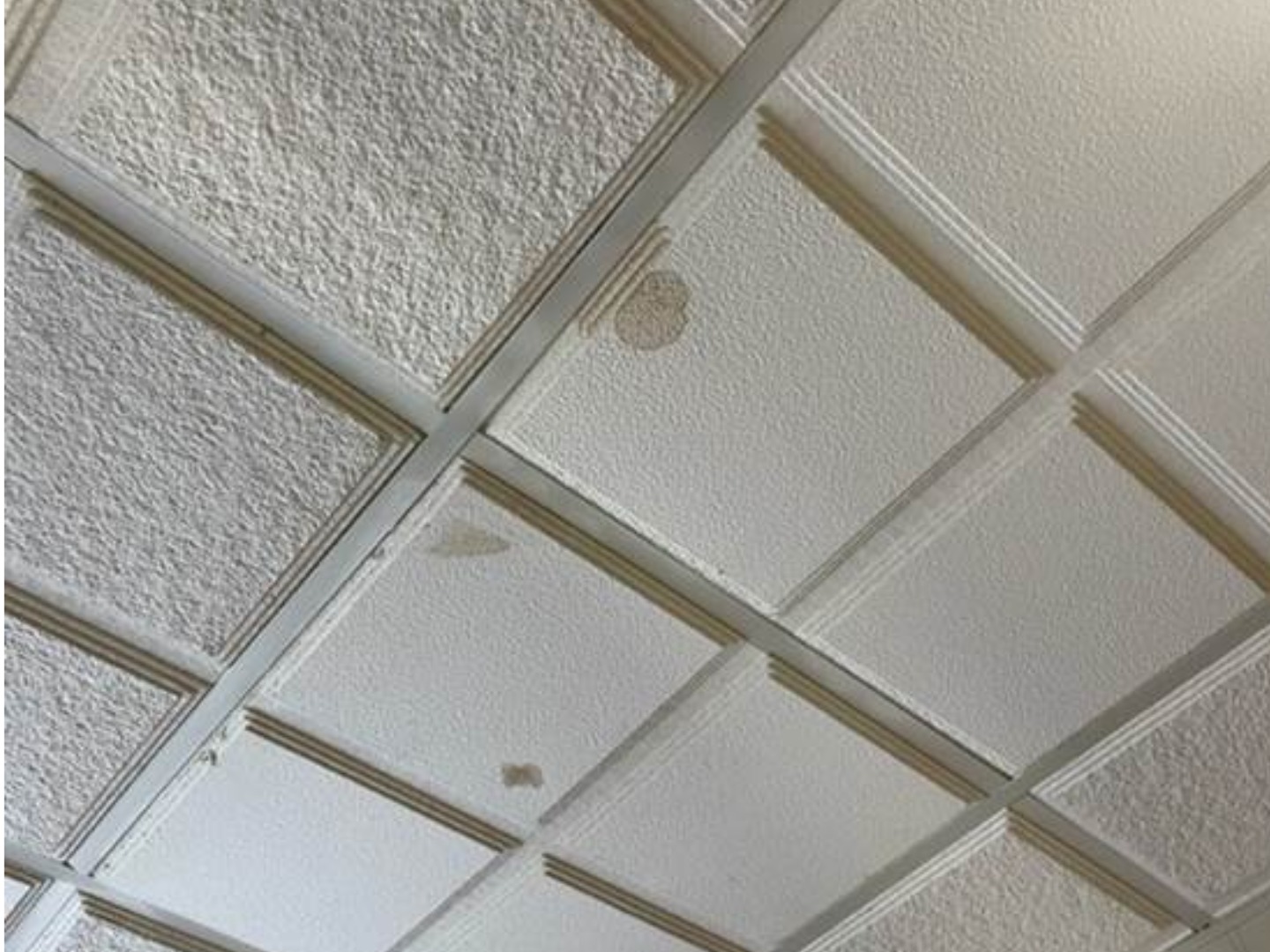
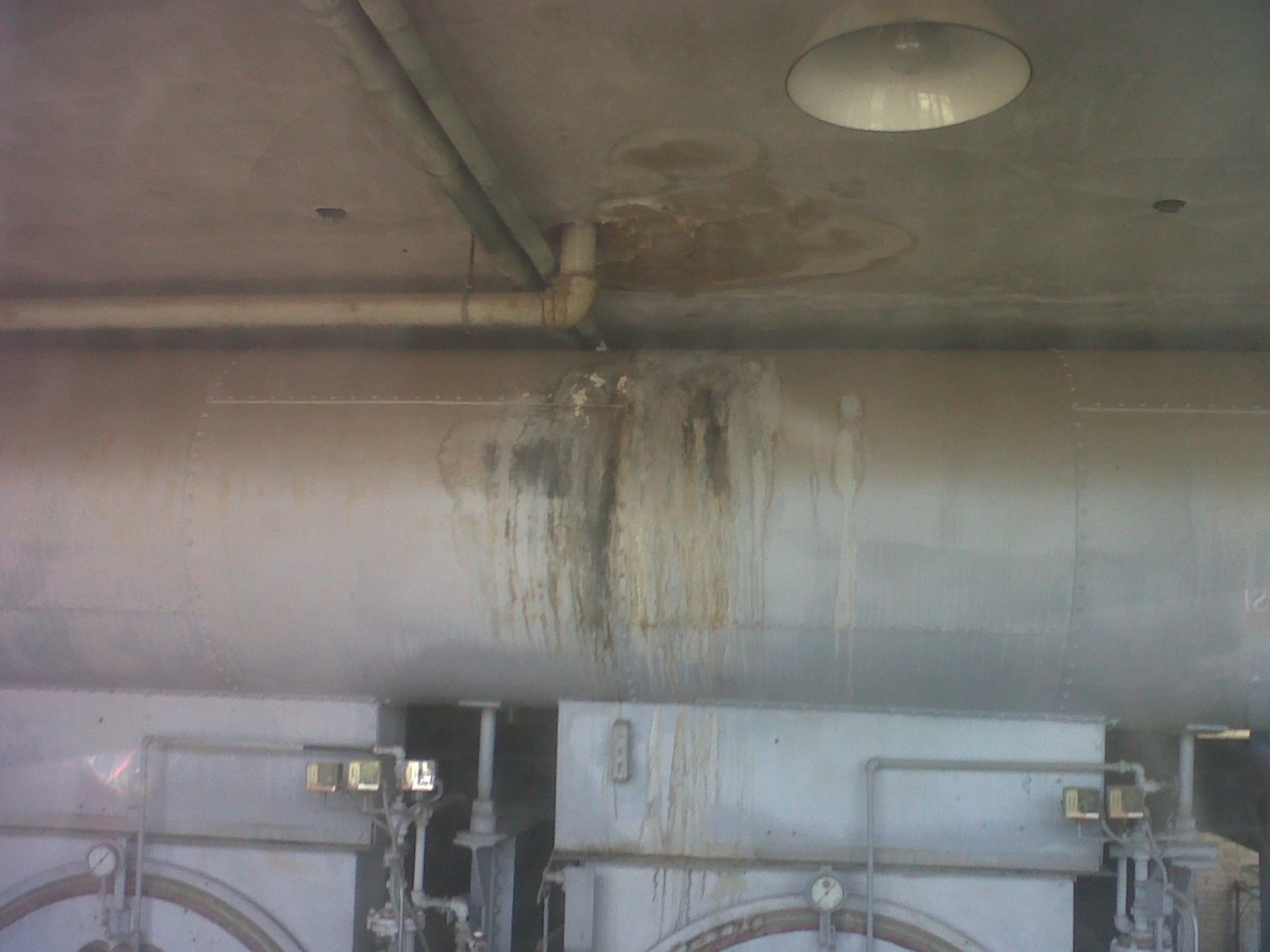
All roof leaks are a problem, but in hospitals, clinics, and care facilites the risk is often higher. Water in the wrong place can compromise sterile environments, damage sensitive equipment, displace patients, and trigger infection control protocols that ripple through an entire department. The difference between a leak that gets caught early and one that causes a serious disruption almost always comes down to one thing: whether the facility had a real maintenance plan in place.
Commercial roof maintenance for healthcare facilities is not the same as maintaining a standard commercial building. The stakes are different, the coordination requirements are different, and the tolerance for disruption is effectively zero. Here is what a proper approach looks like – and what goes wrong when facilities treat their roofs like any other building.
Why Healthcare Roofs Are More Complex Than They Look
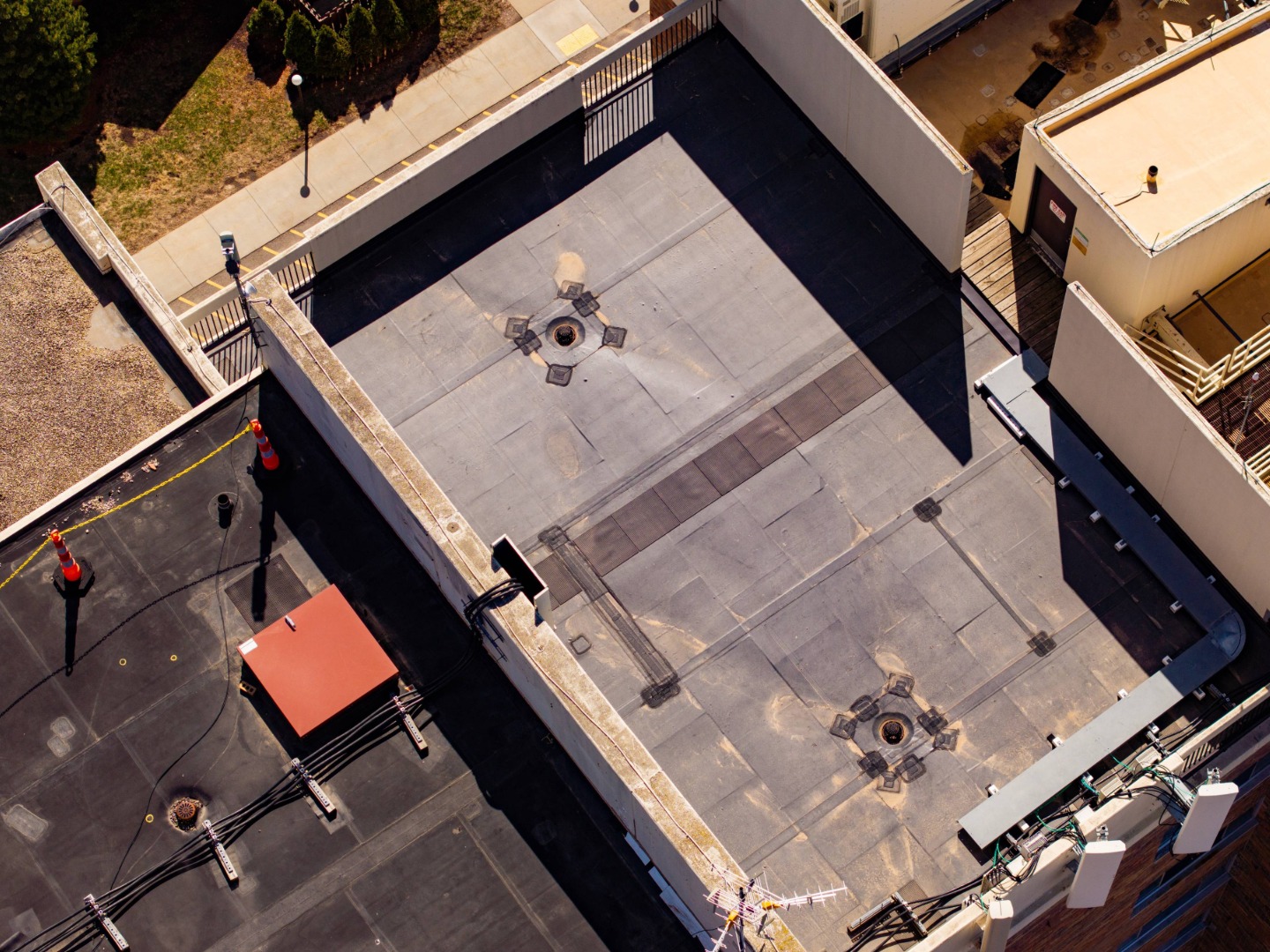
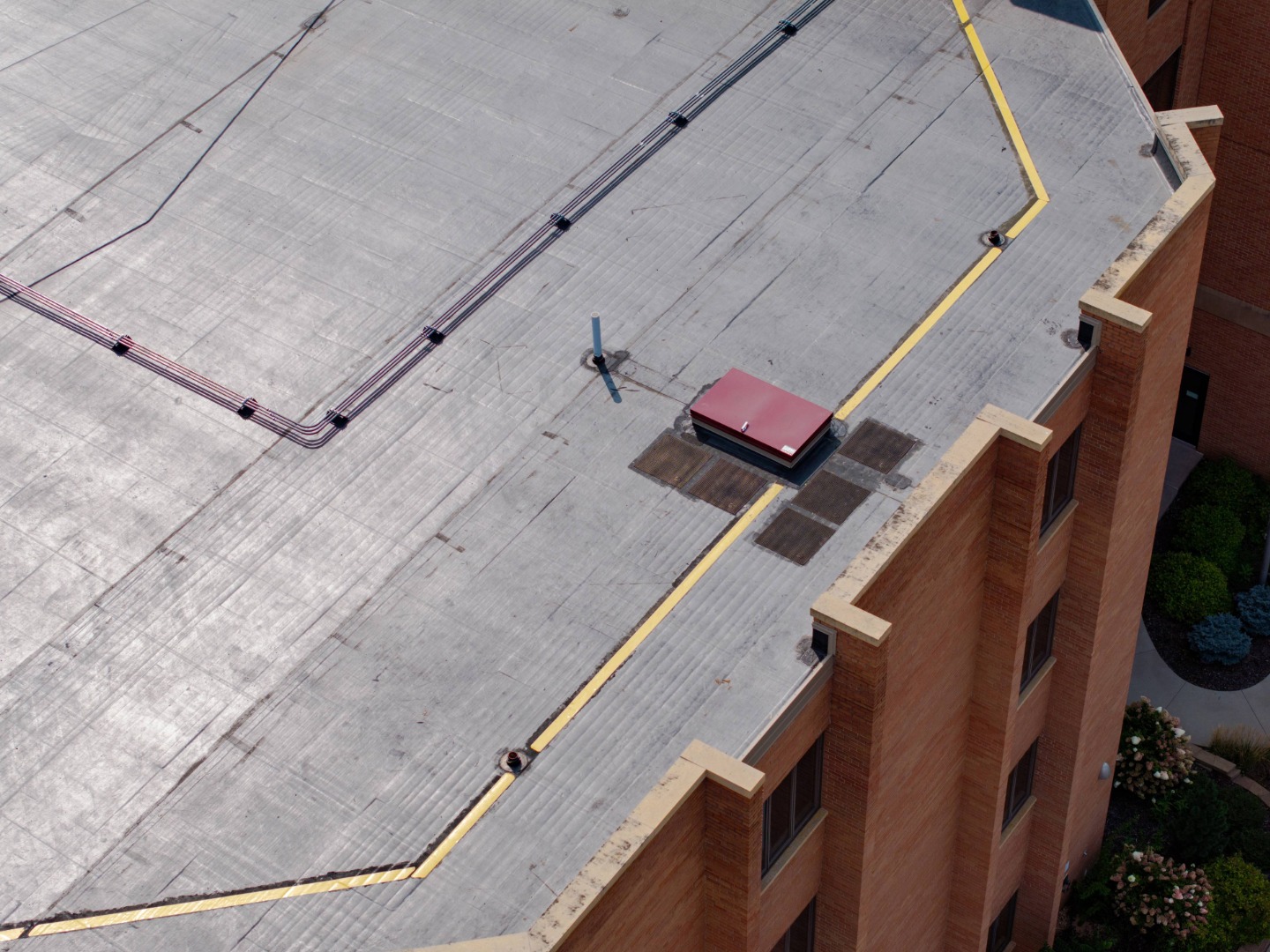
Healthcare buildings tend to have more rooftop equipment than most commercial structures. HVAC units, exhaust systems, plumbing vents, specialty ventilation for isolation rooms and operating suites, skylights – each one of these penetrates the roof membrane and creates a potential point of failure. The more penetrations a roof has, the more maintenance it requires and the more carefully that maintenance needs to be sequenced with what is happening below.
There is also the question of what is directly underneath. A leak above a storage room is very different from a leak above a pharmacy, a procedure room, or a sterile supply area. Understanding the layout of the building below the roof is essential to prioritizing maintenance and emergency response correctly. Not every roofing contractor takes the time to understand that relationship before they start work.
For a full overview of what Schwickert’s handles on the commercial roofing side, including healthcare and institutional projects, visit our commercial roofing services page.
What a Proper Maintenance Plan Actually Includes
Reactive maintenance, fixing problems after they appear, is not a strategy for a healthcare environment. It is a liability. The goal is to identify deterioration before it becomes a leak, and to document what the roof looks like over time so that decisions about repair and replacement are based on data, not guesswork.
A structured maintenance plan for a healthcare facility should include:
Twice-yearly inspections – spring and fall at minimum. Spring catches winter damage. Fall prepares the roof for freeze-thaw stress ahead.
Drainage system checks – clogged drains and scuppers are one of the most common causes of ponding water, which accelerates membrane deterioration faster than almost anything else.
Flashing and penetration inspections – flashings around every rooftop unit, pipe, vent, and curb need to be checked and resealed on a regular cycle. These are the most common failure points on any commercial roof.
Rooftop unit coordination – HVAC equipment and the roof membrane around it need to be inspected together. Condensate drainage problems, vibration damage, and improper curb sealing are frequent sources of roofing problems that get missed when the two trades work in isolation.
Written documentation with photos – Schwickert’s uses Tecta Tracker to document roof inspections, photos, condition notes, repair priorities, budgets, and roof history in one web-based platform. That gives facility managers a clear view of what needs attention now, what can be monitored, and what should be planned for future repair or replacement.
What We See in the Field
Healthcare roofs that have been maintained reactively tend to show the same patterns when we get on them. Membrane patches layered on top of each other. Flashings that have been addressed multiple times without addressing the underlying cause. Drainage areas that have been slowly filling with debris for years.
The facilities that consistently avoid major roofing disruptions share one common trait: they have a maintenance history. When we can look back at inspection records from three, four, or five years ago, we can see where problems are recurring, which sections of the roof are aging faster than expected, and where the next repair dollar should go. Without that history, every inspection is a diagnostic from scratch.
Scheduling is also where healthcare roof maintenance gets complicated in ways that most contractors are not prepared for. Work cannot happen during surgical procedures. Certain materials and adhesives cannot be used near air intakes. Noise and vibration from roofing work may need to be coordinated with nursing supervisors and department heads, not just the facilities manager. That level of coordination requires a contractor who understands how healthcare facilities actually operate.
What Impacts This the Most
Roof age and installation quality – a poorly installed roof will require more frequent intervention regardless of maintenance effort afterward.
Number and condition of penetrations – facilities that have added mechanical equipment over the years without properly integrating it into the roof system tend to have more chronic problems.
Deferred maintenance – skipping inspections does not reduce costs. It concentrates them into larger, more disruptive repairs. A flashing repair caught during a routine inspection costs a fraction of what it costs after water has been moving through it for a season.
Common Mistakes in Healthcare Roof Maintenance
Treating the healthcare roof like a standard commercial roof. The coordination requirements, the consequences of disruption, and the complexity of the rooftop environment are all different. A contractor without healthcare facility experience will create problems even when the roofing work itself is technically sound.
Scheduling maintenance without looping in clinical operations. Roofing activity above a procedure room, a pharmacy, or a sterile supply area without coordinating with those departments first creates real risk – not just inconvenience.
Ignoring flashings during informal walkthroughs. Flashings are the most common failure point on any commercial roof and the most overlooked during non-professional inspections. Deterioration at flashings is often invisible until water is already moving through it.
Deferring small repairs to the next budget cycle. A minor repair in the fall can become a significant repair in the spring after a winter of freeze-thaw cycles. In a healthcare environment, the cost of the interior disruption that follows almost always exceeds the cost of the repair that was deferred.
What to Do Next
If your healthcare facility does not have a documented roof maintenance plan – or if the last inspection did not produce a written report with photos – the right starting point is an assessment.
Schwickert’s works with healthcare facilities to build maintenance programs that fit the operational demands of those environments. We understand the scheduling constraints, the coordination requirements, and what it means to work in a building where disruption is not an option.
Contact Schwickert’s to schedule an inspection or start a conversation about a maintenance plan for your facility.