
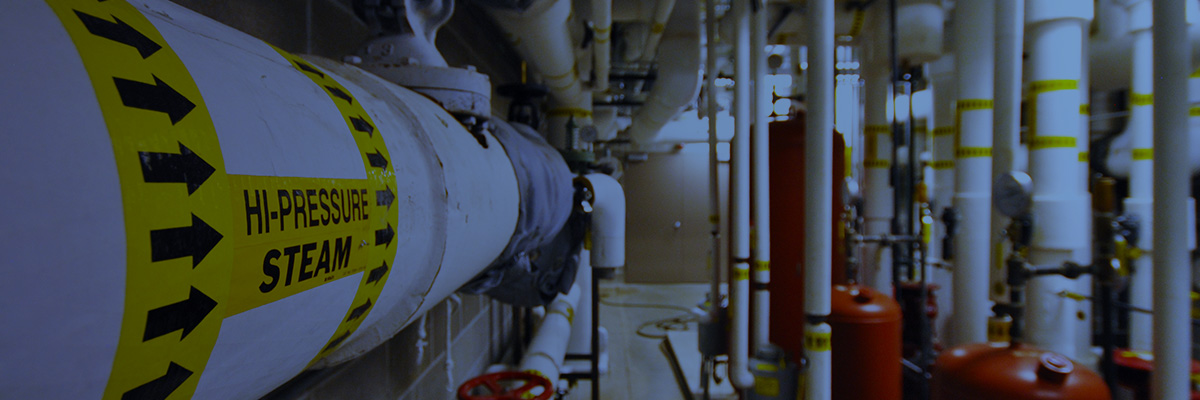
Mechanical issues in healthcare facilities often show up first as small warning signs: longer run times, inconsistent room temperatures, repeated comfort complaints, water pressure changes, or maintenance items that keep getting pushed back. If those issues are not addressed, they can lead to equipment failure, emergency repairs, and disruption to daily operations.
In a standard commercial building, a mechanical failure means discomfort and inconvenience. In a hospital, clinic, or care facility, it can mean compromised patient care, failed regulatory inspections, and emergency repairs under conditions that make everything harder and more expensive. The facilities that consistently avoid those outcomes share one habit: they catch problems early, before they become failures.
Use this guide as a resource for identifying common mechanical issues in healthcare facilities. Each section covers what to watch for, why it matters, and when the issue may need service, inspection, or future replacement planning.
The Regulatory Reality Healthcare Facilities Cannot Ignore
Before getting into specific equipment issues, it is worth establishing why mechanical maintenance in healthcare carries a different weight than in other commercial settings.
Healthcare facilities operate under regulatory frameworks – Joint Commission standards, CMS Conditions of Participation, state health department requirements – that treat mechanical system performance as a compliance issue, not just an operational one. Documented preventive maintenance programs are not optional. They are required. A facility that cannot produce maintenance records for its boilers, backflow preventers, cooling towers, or fire suppression systems during a survey is exposed to citation, remediation requirements, and in serious cases, loss of accreditation.
That regulatory context changes how mechanical maintenance should be approached. It is not just about keeping equipment running – it is about being able to demonstrate that equipment has been properly maintained over time.
Schwickert’s provides full-scope mechanical services for healthcare and commercial facilities. Learn more about our mechanical services and how we approach planned maintenance programs.
HVAC System Issues: The Most Common and Most Consequential
HVAC is where most healthcare mechanical problems originate, and where the consequences of failure are most immediate.
Rooftop unit deterioration – RTUs in continuous operation degrade faster than equipment in standard commercial applications. Compressor wear, refrigerant loss, failing contactors, and worn belts are common in units without a structured maintenance schedule. The early warning signs are often subtle: run times that are longer than expected, inconsistent temperature control in specific zones, or energy consumption that has been creeping upward without an obvious explanation.
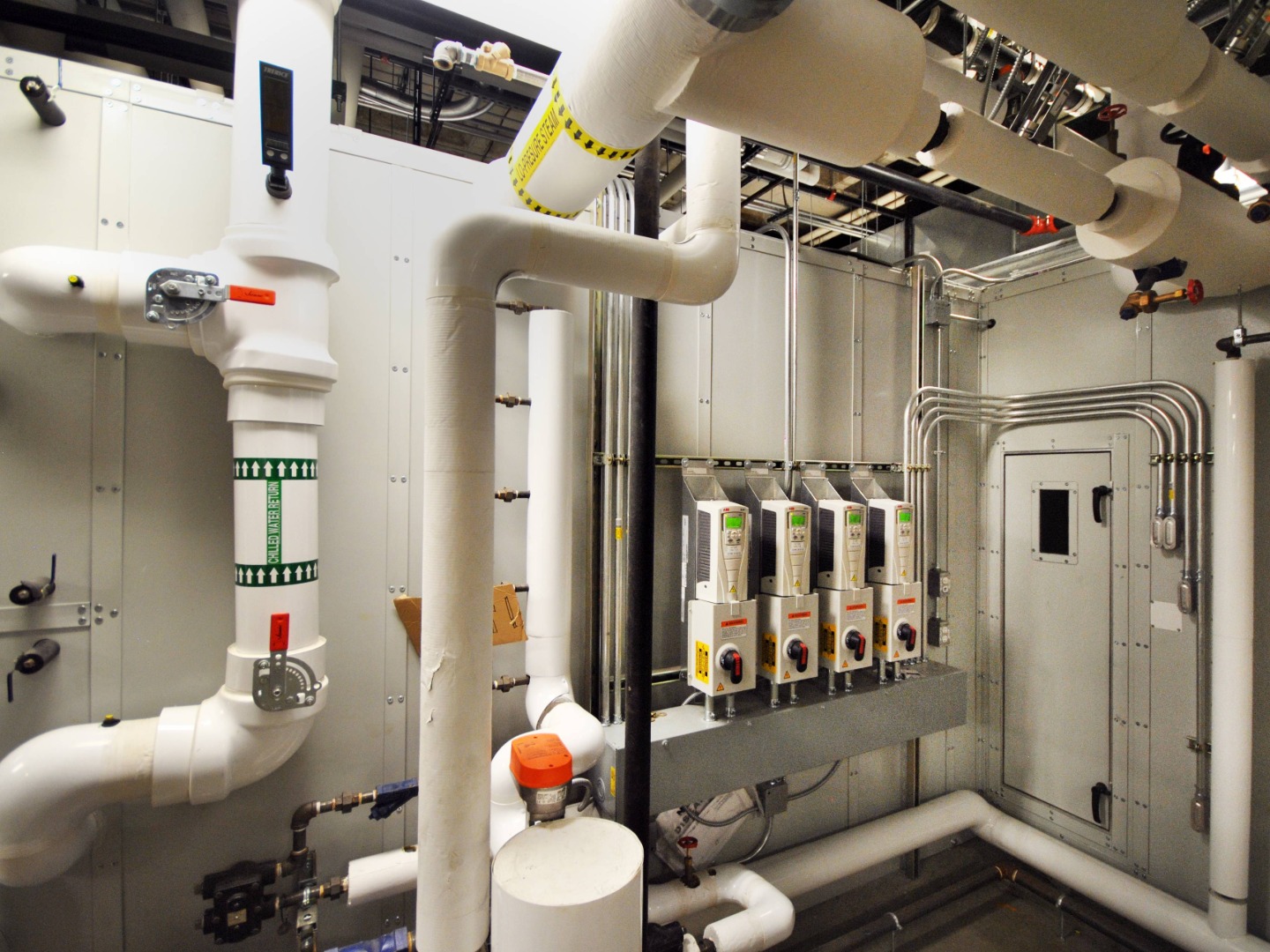
Air handling unit neglect – clogged filters are the most preventable HVAC problem in any healthcare building. In a standard commercial building, the consequence is reduced efficiency and accelerated equipment wear. In a healthcare facility, it also means compromised indoor air quality in spaces where air quality directly affects patient outcomes. Filter replacement schedules need to match the actual load on the system — not a generic schedule that was set when the building opened.
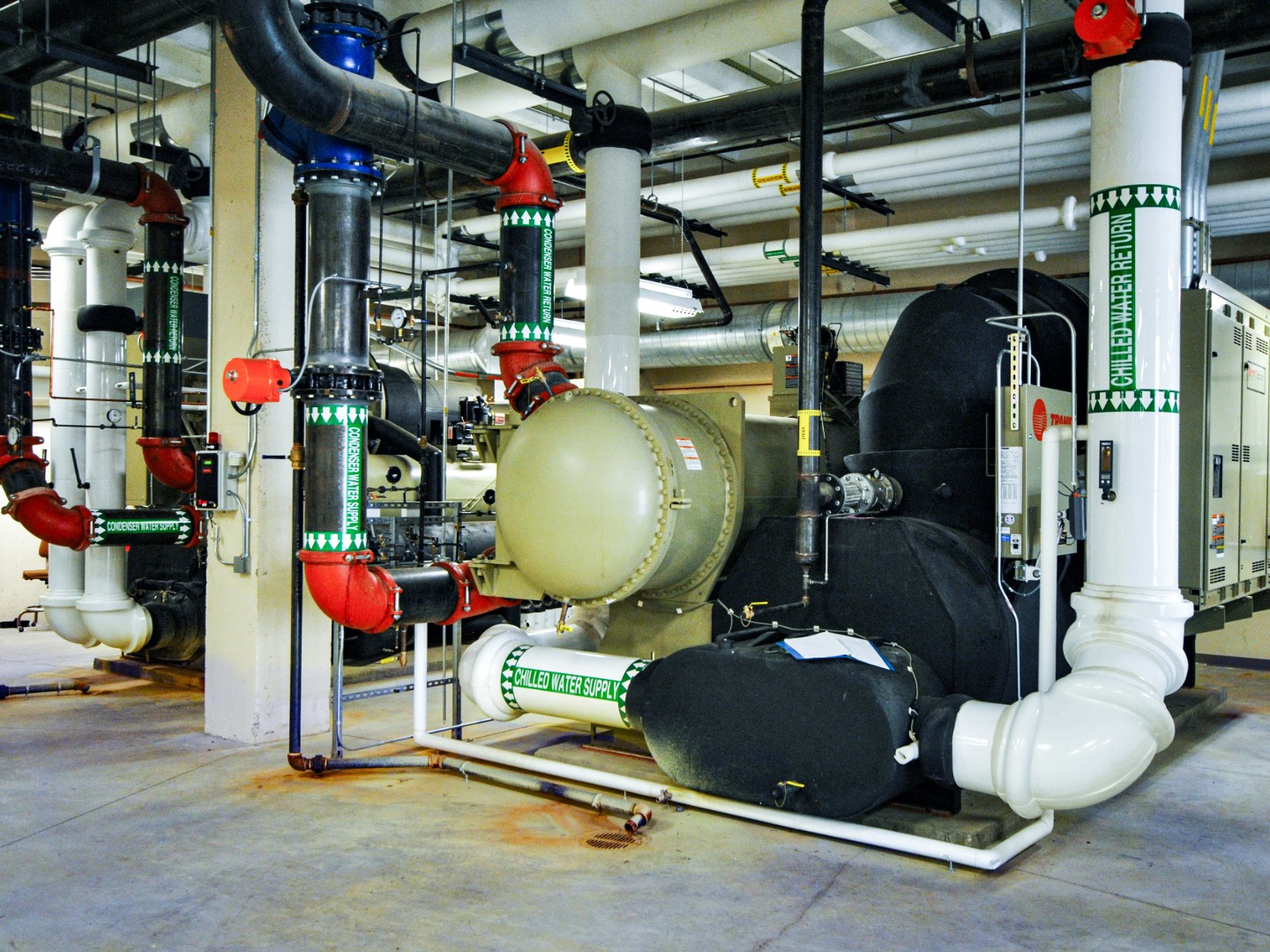
Cooling tower problems – cooling towers require consistent water treatment, regular cleaning, and inspection of fill media, distribution systems, and basin conditions. A neglected cooling tower creates biological risk, including Legionella, that is a serious concern in any facility with immunocompromised patients. This is not a theoretical risk — it is a documented source of healthcare-associated infections that is entirely preventable with proper maintenance.
Ductwork integrity – leaking ductwork wastes energy and creates pressure imbalances that can affect air quality in sensitive areas. In isolation rooms, operating suites, and sterile processing areas, maintaining the correct pressure relationships between spaces is a clinical requirement. Duct leakage that would be a minor efficiency problem in an office building can be a patient safety issue in a healthcare environment.
Plumbing Issues That Develop Slowly and Fail Fast
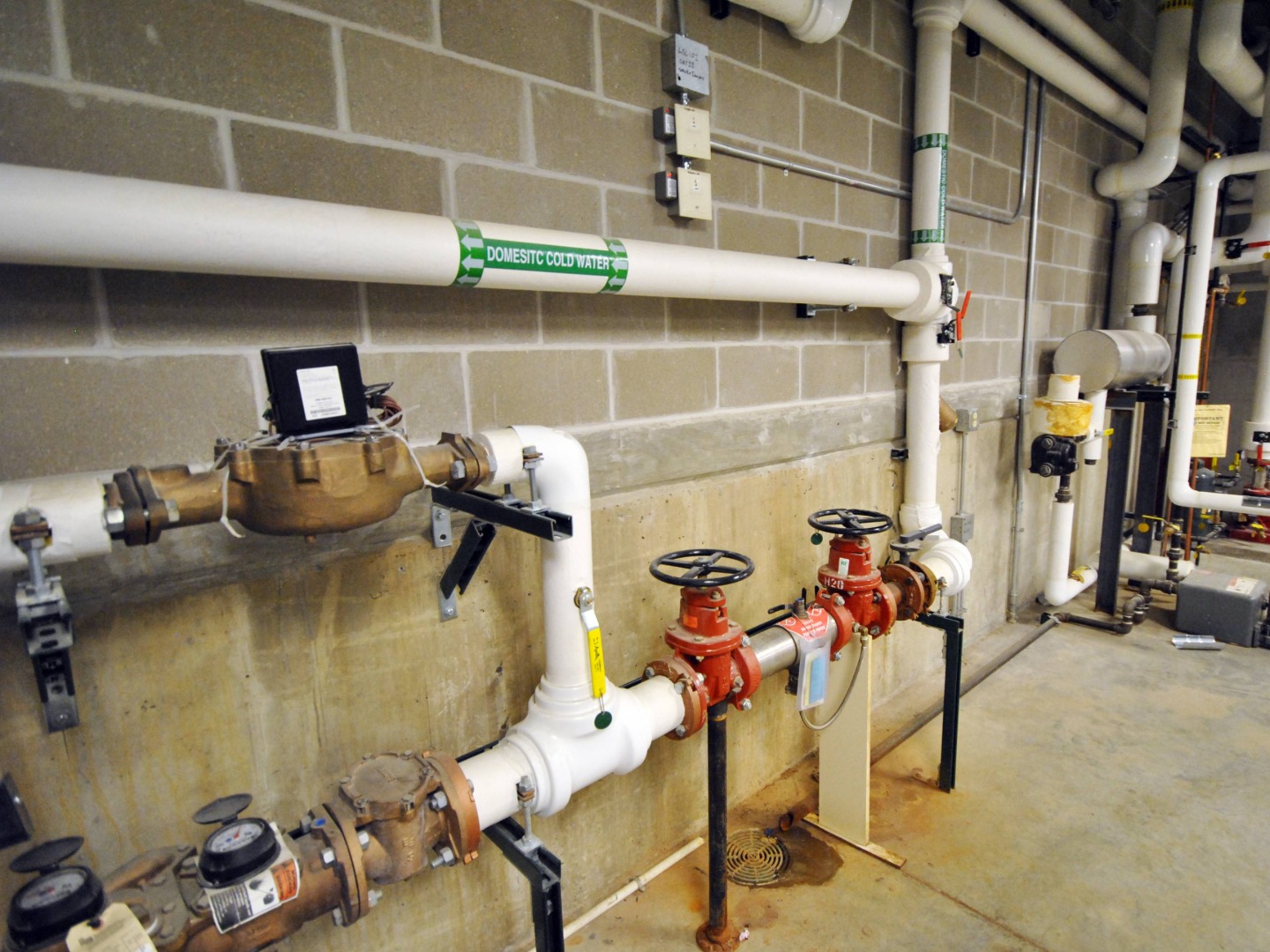
Backflow preventer failure – backflow preventers protect potable water systems from contamination and are a regulatory requirement in most jurisdictions. They require annual testing by a certified professional. A failed backflow preventer is not just a plumbing problem — it is a public health and compliance issue that can result in regulatory action.
Pipe corrosion – older healthcare facilities often have aging pipe systems where corrosion has been developing for years. Discolored water, reduced flow rates, and pressure fluctuations are early indicators. Left unaddressed, corrosion leads to pinhole leaks, then larger failures, then the kind of water damage that contaminates a space and forces it out of service.
Domestic hot water system performance – maintaining proper water temperature throughout a healthcare facility is both a clinical requirement and an infection control measure. Thermostatic mixing valves, circulation pumps, and water heater performance all need to be monitored. Water that is too cool creates Legionella risk. Equipment that runs inefficiently drives up operating costs and masks developing problems.
Heating System Issues That Get Missed Until Winter
Unit heater deterioration – gas-fired unit heaters in mechanical rooms, loading docks, and support spaces are frequently overlooked until they stop working. Cracked heat exchangers, ignition failures, and burner degradation are common in older units. A cracked heat exchanger is also a carbon monoxide risk — which is why these units need to be inspected before heating season, not after the first cold week.
Boiler and heat exchanger problems – scale buildup, failing controls, and deteriorating heat transfer surfaces reduce efficiency over time and eventually lead to failure. Boiler inspections are a regulatory requirement in Minnesota and other states where Schwickert’s operates. Treating them as optional is both a compliance risk and a reliability risk.
What We See in the Field
The pattern we see most often in healthcare facilities with chronic mechanical problems is deferred maintenance compounding over time. An issue gets noted, added to a list, and deprioritized because something more urgent came up. By the time it gets addressed, it has become a larger repair – or a failure that forces emergency response under the worst possible conditions.
We also see facilities that have no documented maintenance history. When something fails in that environment, the diagnostic process takes significantly longer because there is no baseline to measure against. Nobody knows what the system looked like six months ago, which parts have been replaced, or whether the current problem is new or has been developing for years.
An area where Schwickert’s really helps healthcare facilities is asset management. Through our HVAC-R Tracker, inspections, condition scores, repair priorities, budgets, reports, and equipment history can all be tracked in one web-based platform. This gives facility managers a clearer view of what needs attention now, what can be planned for, and where future replacement dollars may be needed.
What Impacts This the Most
Equipment age and service history – most mechanical equipment has a defined service life. Knowing where your major systems sit in their lifecycle, and having a plan for eventual replacement, is the difference between planned capital expenditure and emergency spending.
Operational intensity – healthcare facilities run mechanical systems harder and longer than most commercial buildings. Standard maintenance intervals developed for office buildings are often insufficient.
Staff awareness and reporting – facility staff frequently notice early warning signs before they become documented problems. Unusual sounds, temperature inconsistencies, water discoloration, pressure changes — these observations matter. Facilities that have a clear process for reporting and tracking these observations catch problems earlier and cheaper.
Water quality management – cooling tower water treatment and domestic water temperature management are two of the most overlooked aspects of healthcare mechanical maintenance, and two of the most consequential when they fail.
Common Mistakes in Healthcare Mechanical Maintenance
Waiting for equipment to fail before replacing it. Planned replacement is almost always less disruptive and less expensive than emergency replacement. A chiller that fails in the middle of a Midwest summer in an occupied healthcare facility creates a genuinely difficult situation with no good options.
Using the same maintenance schedule for all equipment regardless of criticality. Systems that directly affect patient care, sterile environments, or regulatory compliance need more frequent attention than systems in low-criticality spaces. A one-size maintenance schedule misses that distinction.
Skipping water treatment. Cooling tower water quality and domestic water temperature management are not optional elements of a healthcare maintenance program. The consequences of a Legionella issue or a failed backflow inspection are significant and avoidable.
Failing to coordinate with clinical operations. Maintenance work in a healthcare facility needs to be scheduled around patient care – not just around the facilities team’s availability. That requires communication with the departments affected by the work, not just a note on the calendar.
What to Do Next
If your facility does not have a documented mechanical maintenance program, or if you have systems that are aging without a replacement plan in place, the right first step is an assessment – not a sales call, but a real look at what you have, how it is performing, and where the risk is concentrated.
Schwickert’s has been working in healthcare facilities across Minnesota, Kansas, and throughout the Midwest for decades. We understand the regulatory requirements, the operational constraints, and the coordination that this environment demands.
Contact Schwickert’s to start a conversation about mechanical maintenance for your healthcare facility.