
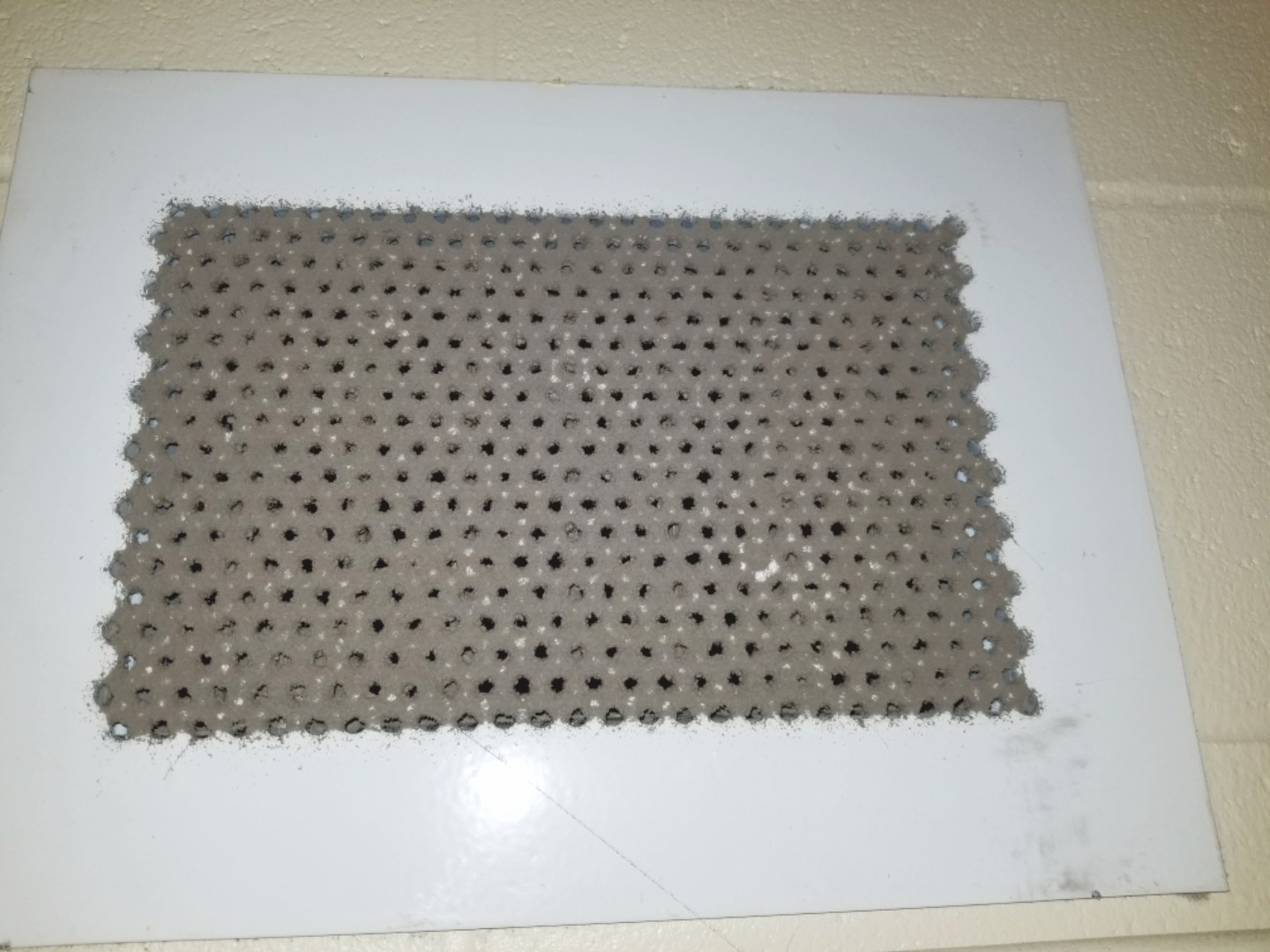
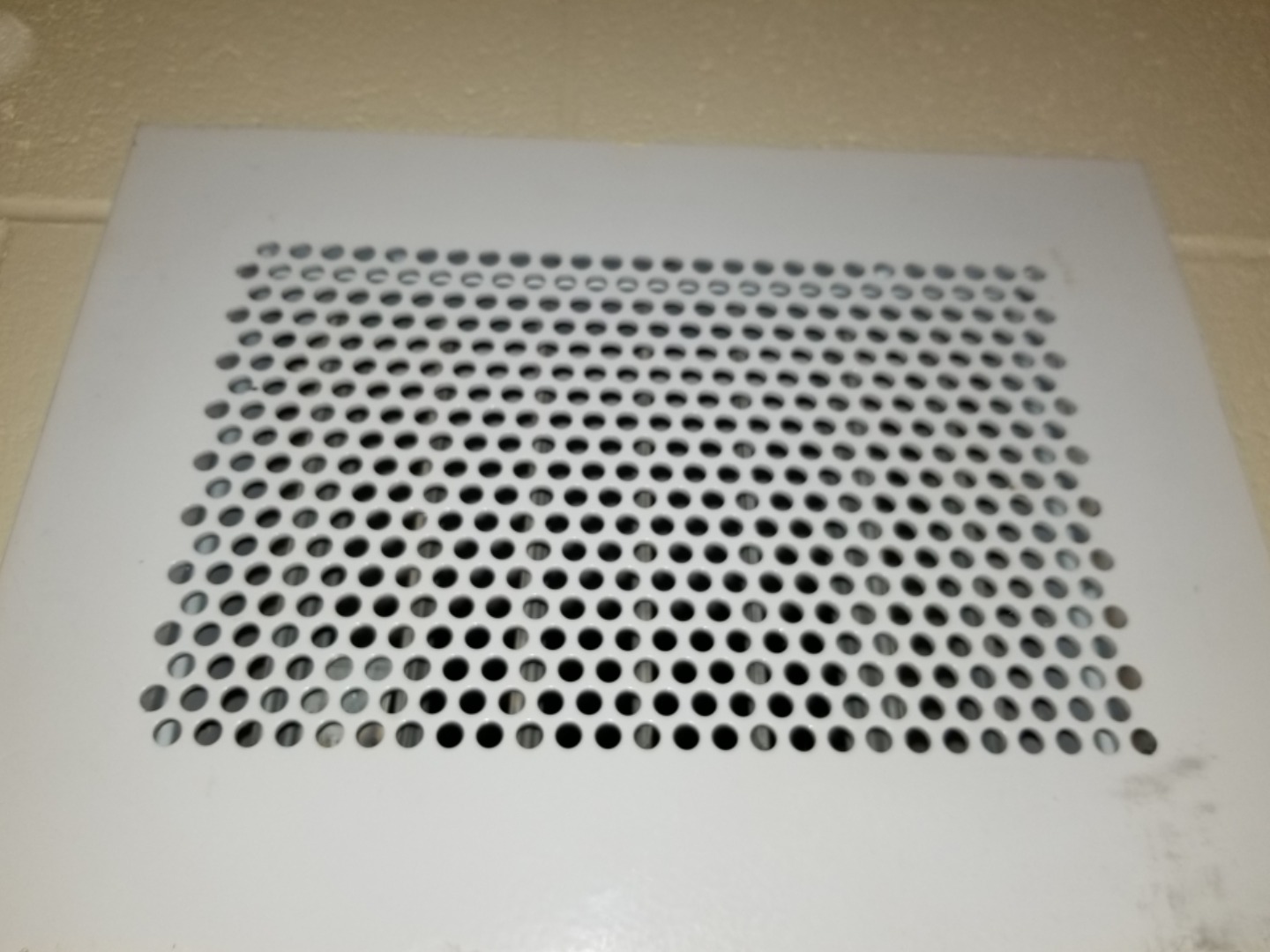
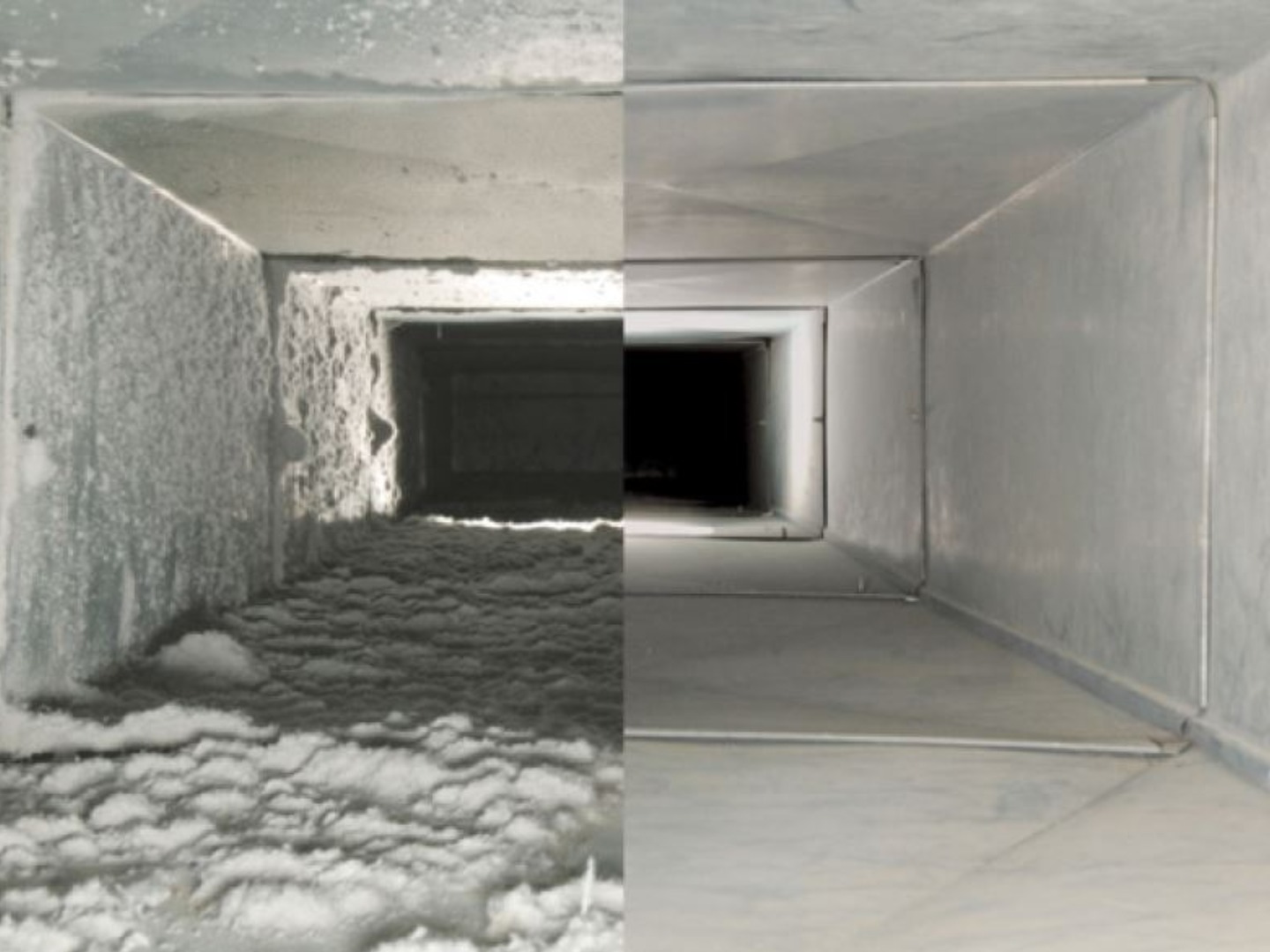
Some facility managers view air duct cleaning as a luxury. They think its an optional part of their maintenance plan. But when dust and debris build up in a commercial duct system, they can affect air quality, equipment efficiency and overall building comfort. Here’s why routine duct cleaning is an important part of maintaining a building and looking out for those who work or live inside it.
What Gets Overlooked Without Routine Duct Cleaning
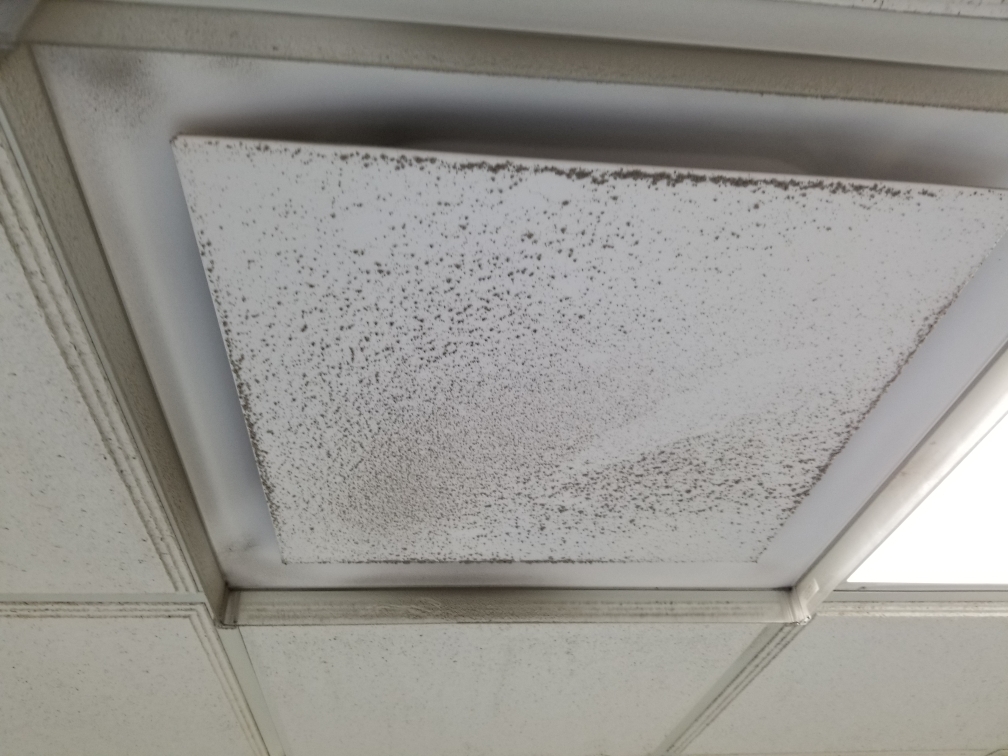
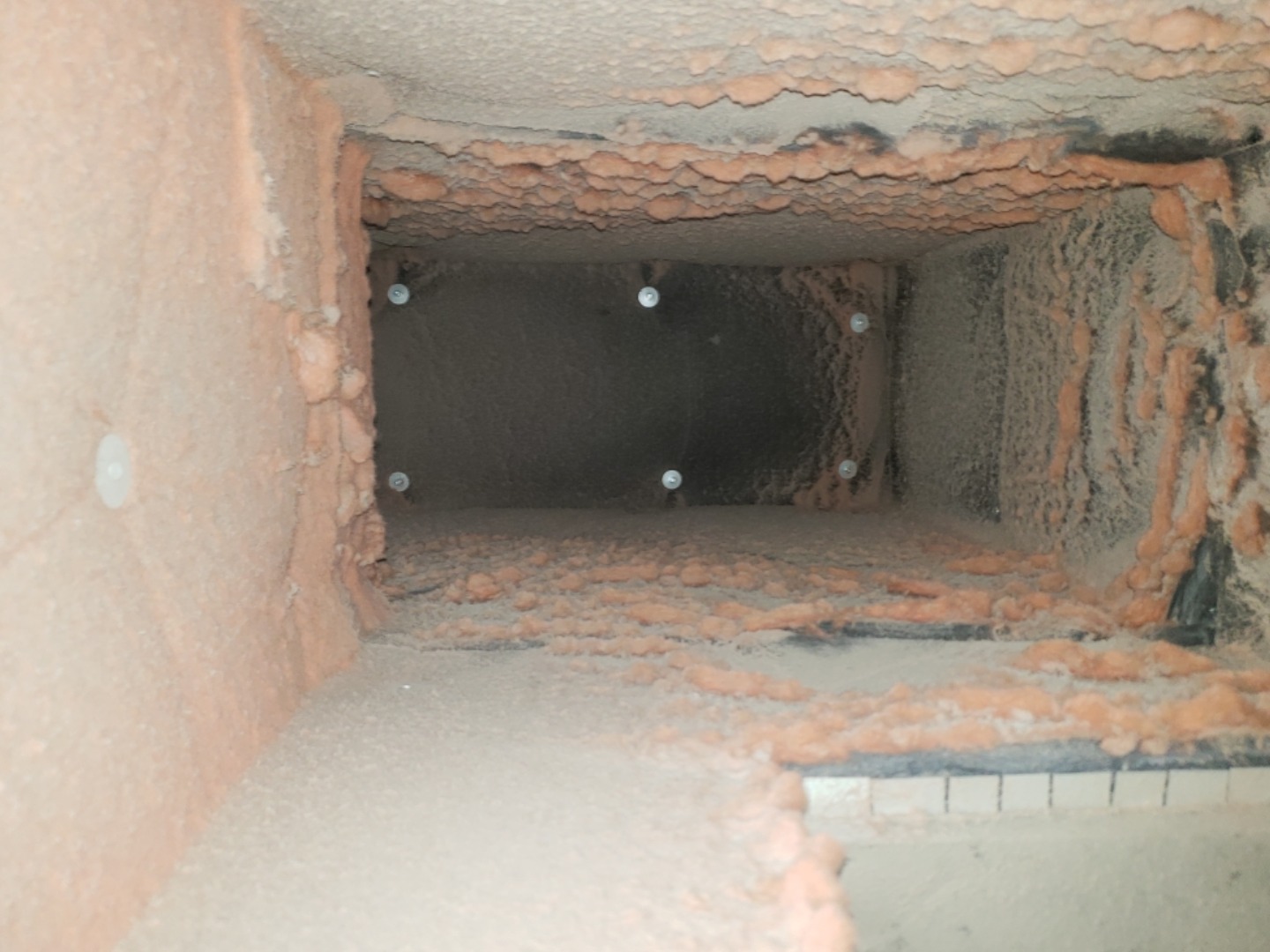
Routine air duct cleaning services address the extensive networks of supply and return ductwork. These areas easily build up dust and debris when they go unnoticed. Some of the main areas we see issues include:
• Branch lines and takeoffs because they get less attention than main trunk lines
• Return air plenums which often get skipped entirely
• Other hard-to-reach areas
Over time, this buildup can restrict airflow, recirculate dust and place additional strain on HVAC equipment. Routine commercial duct cleaning helps keep the entire air distribution system cleaner and operating more efficiently.
The Hidden Cost of Buildup in Ductwork
Buildup in ductwork doesn’t sit there quietly. It changes how your HVAC system performs, and that shows up on your utility bill and maintenance schedule before it becomes an obvious problem.
• Reduced airflow makes your system work harder to hit the same temperature, raising energy costs
• Dust on coils reduces heat transfer efficiency, forcing longer run cycles
• Debris buildup accelerates wear on fans, motors, and belts, shortening equipment life
• Uneven airflow creates hot and cold spots, which drives more service calls and complaints
Routine cleaning helps support efficient airflow, reduce unncessary strain on equipment and maintain consisten comfort throughout the facility.
Why Occupant Complaints Are a Signal, Not a Nuisance
Recurring complaints about stuffiness, uneven temperatures, or a stale feeling in certain rooms often signal that your air duct system isn’t distributing air the way it was designed to. These complaints tend to cluster in specific zones, which gives you a useful clue for locating buildup or blockage. This often signals that it is time for a professional to come take a look at the inside of the ductwork.
How a Thorough Cleaning Improves Air Quality
Air quality in a commercial building affects how a space feels to the people spending eight or more hours a day in it. Dust and debris circulating through a poorly maintained duct system get pulled back into the air supply every time the HVAC system runs.
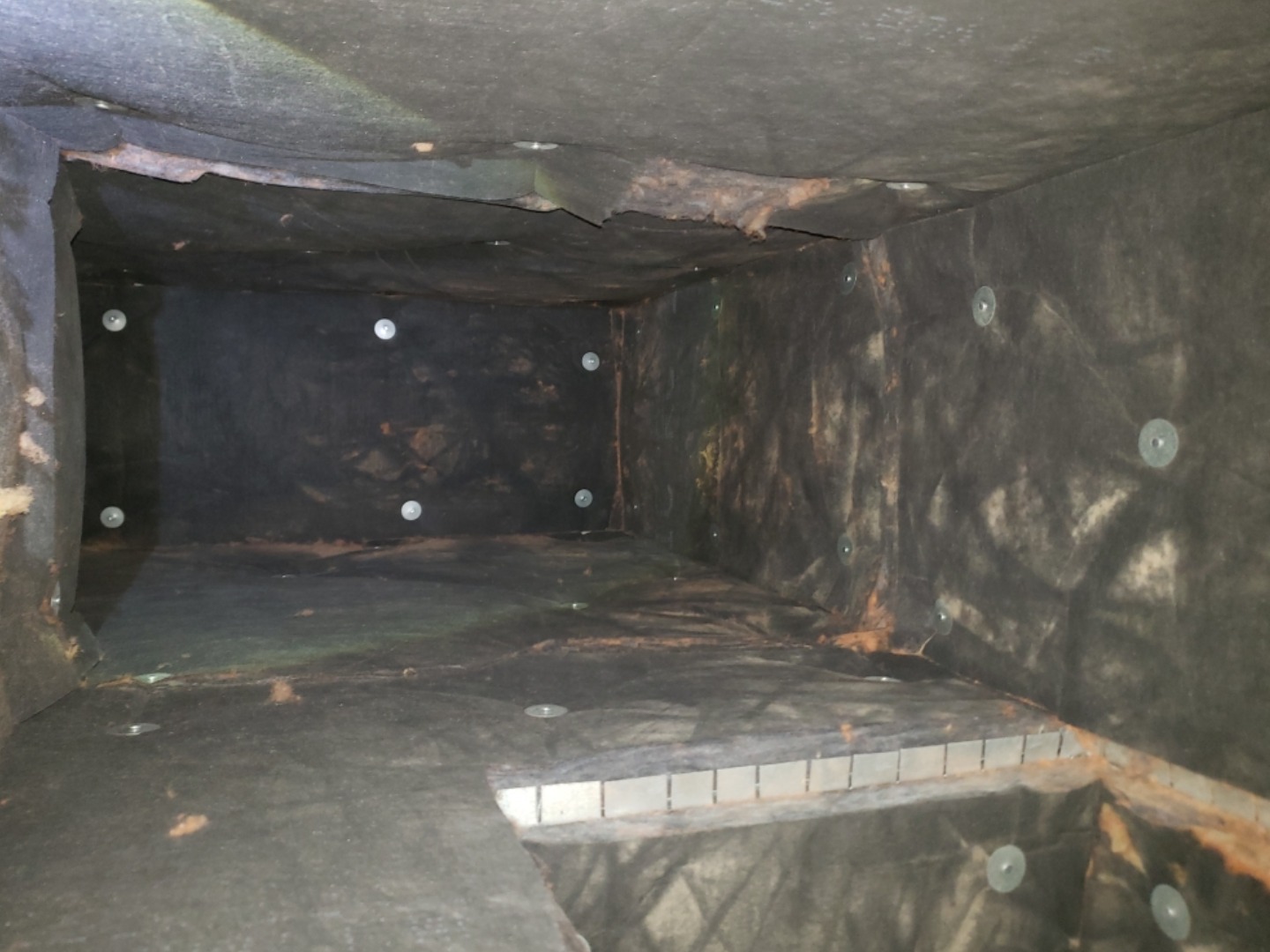
A full air duct cleaning interrupts that cycle by removing accumulated dust before it recirculates, reducing the particulate load your filters have to manage, clearing blockages that lead to inconsistent air distribution, and supporting steadier airflow that cuts down on staleness in less-ventilated rooms. This isn’t about health claims, it’s basic air movement: a system clear of buildup circulates air the way it was designed to, and a system full of debris doesn’t.
Building a Smarter Maintenance Schedule
Most commercial systems benefit from air duct cleaning every three to five years, though the right interval depends on your building’s use. High-occupancy spaces, buildings near construction or heavy dust sources, and facilities with older equipment often need more frequent attention.
Working with a team that evaluates your specific system, rather than applying a one-size-fits-all schedule, protects your equipment, your energy costs, and your building’s air quality over the long run. Contact Schwickert’s to schedule a full system evaluation.