
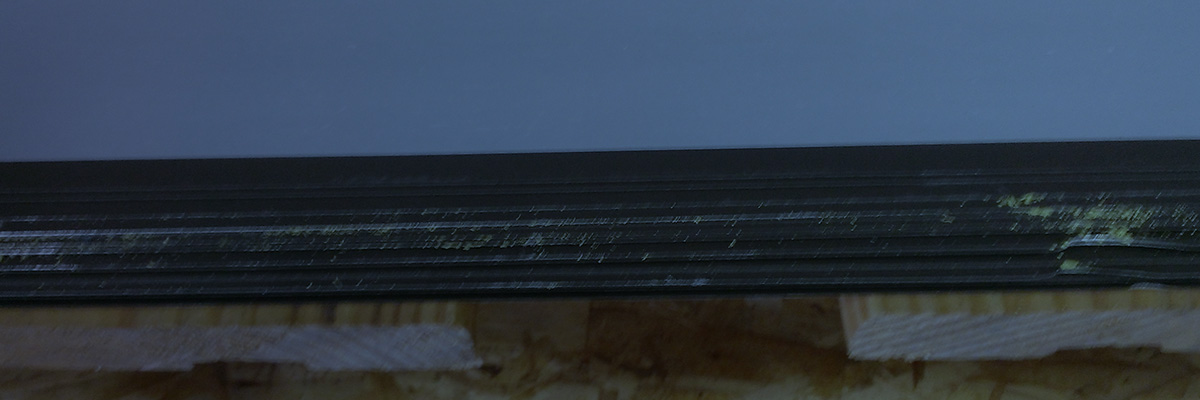
Storms don’t always leave obvious signs. A shingle out of place or a small dent in a rooftop unit can look minor from the ground, but those small signs often point to bigger problems underneath. Waiting to address storm damage, even when it looks manageable, tends to cost building owners more in the long run.
Small Damage Doesn't Stay Small
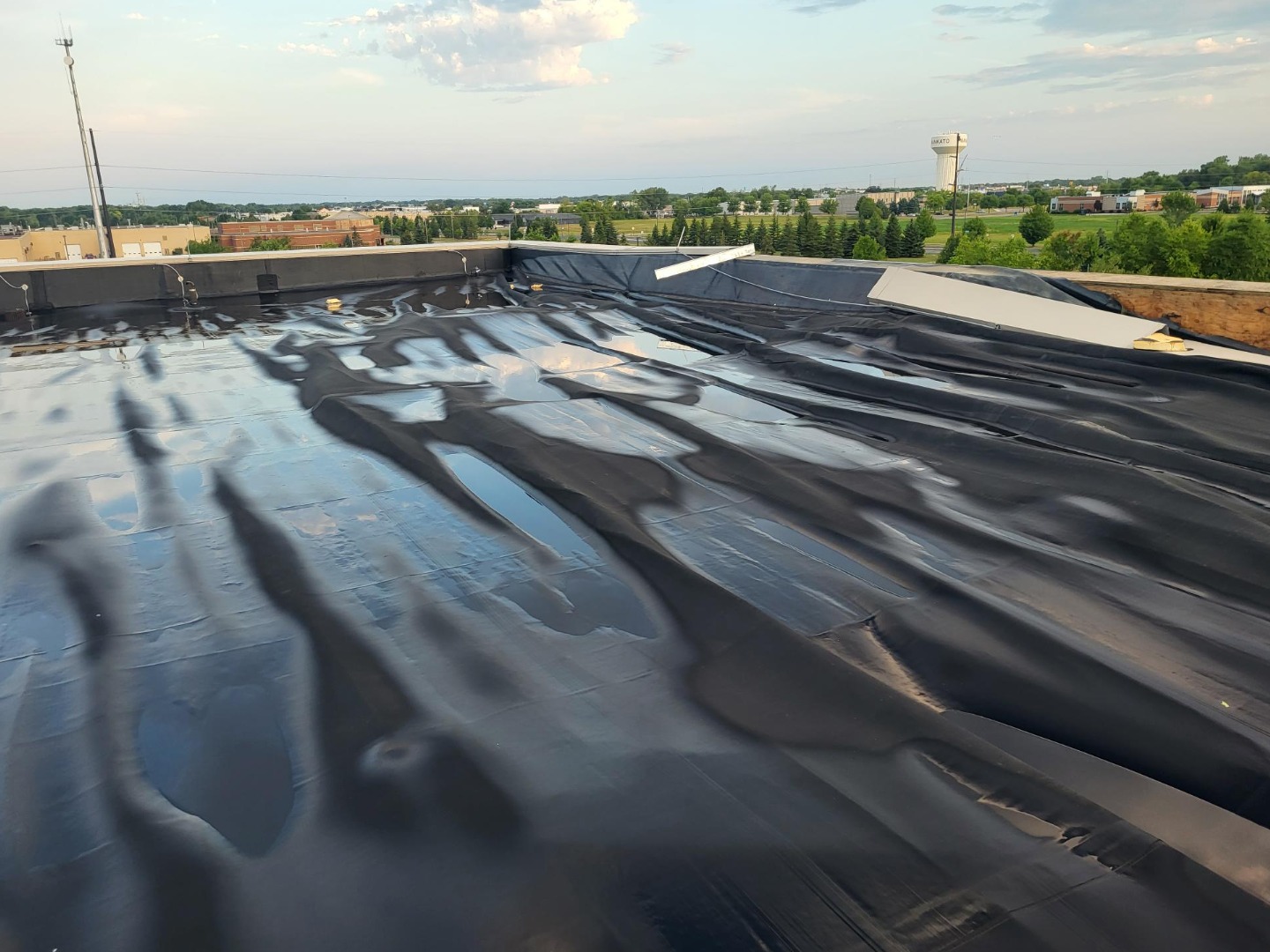
A damaged roof doesn’t just sit there unchanged until you get around to fixing it. Water finds its way into gaps that seemed harmless at first, and that moisture spreads. What starts as a cracked seam or lifted edge metal can turn into:
• Water intrusion that damages insulation and interior ceilings
• Mold growth that spreads faster than most owners expect
• Structural weakening that makes future repairs more invasive and expensive
• Compromised mechanical equipment sitting exposed on the roof
The longer these issues go unaddressed, the more systems they touch. A roof problem rarely stays a roof problem, and repair costs tend to climb the longer water has access to the building.
Roof Material and Edge Metal Take the First Hit
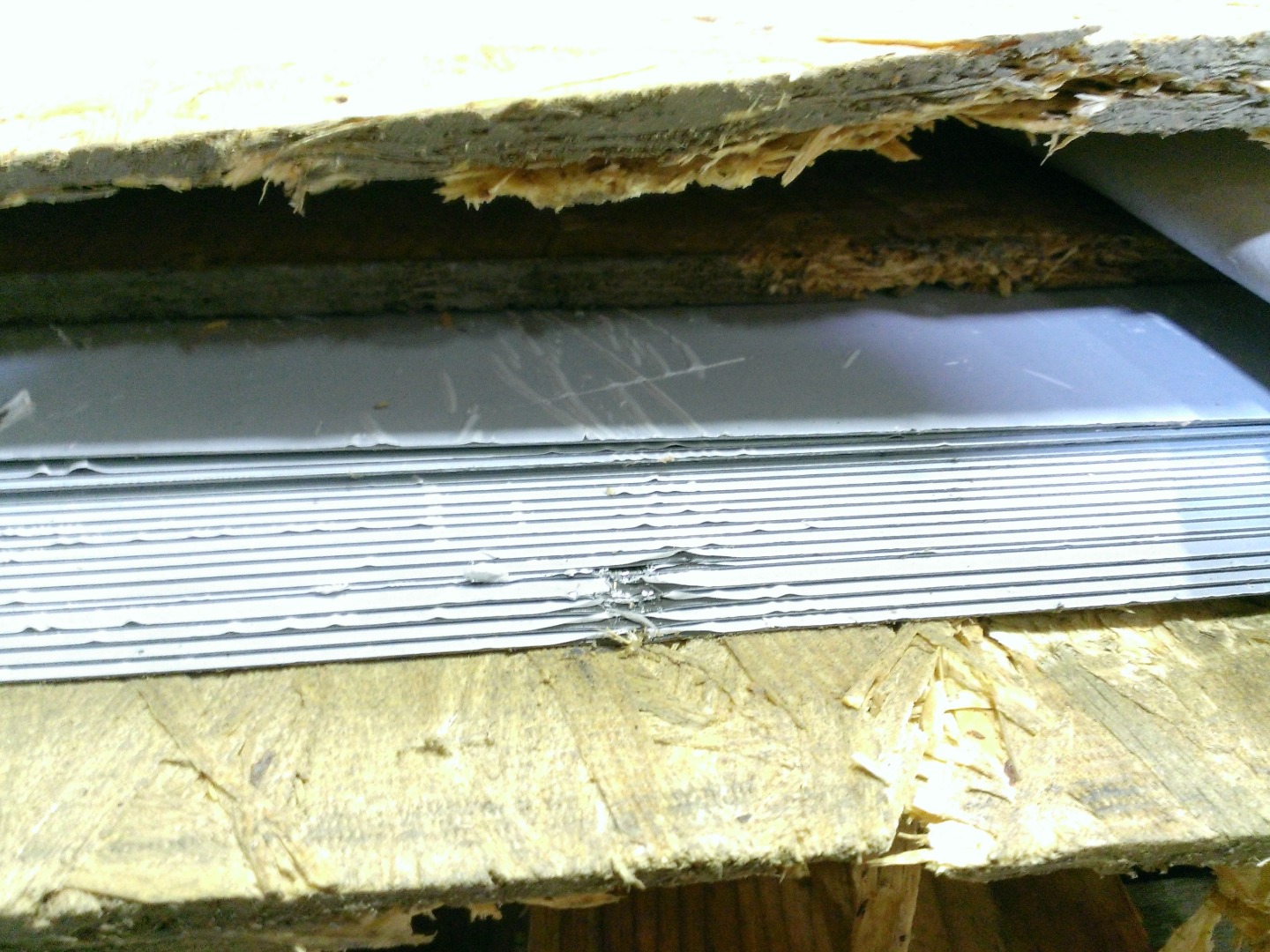
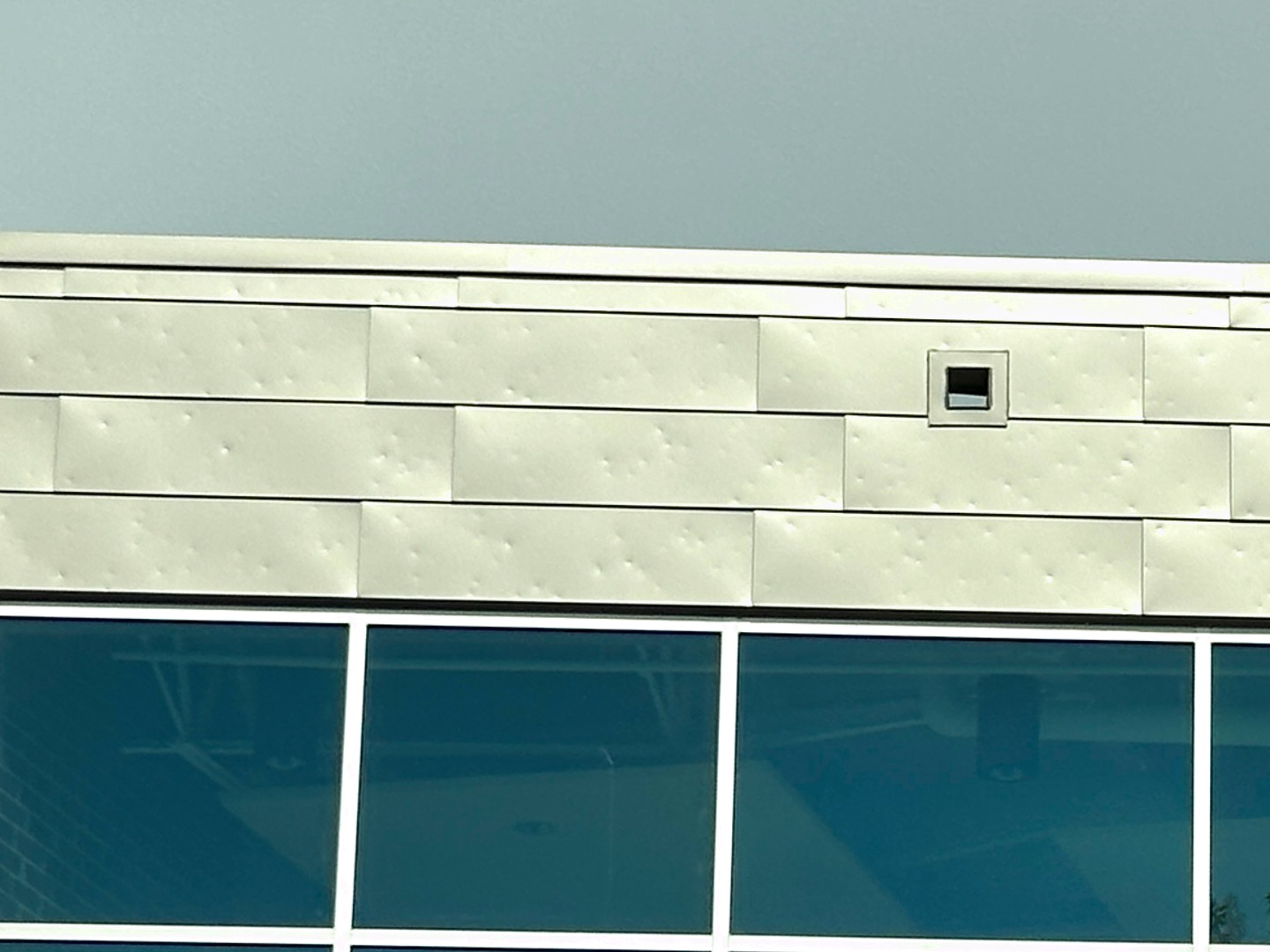
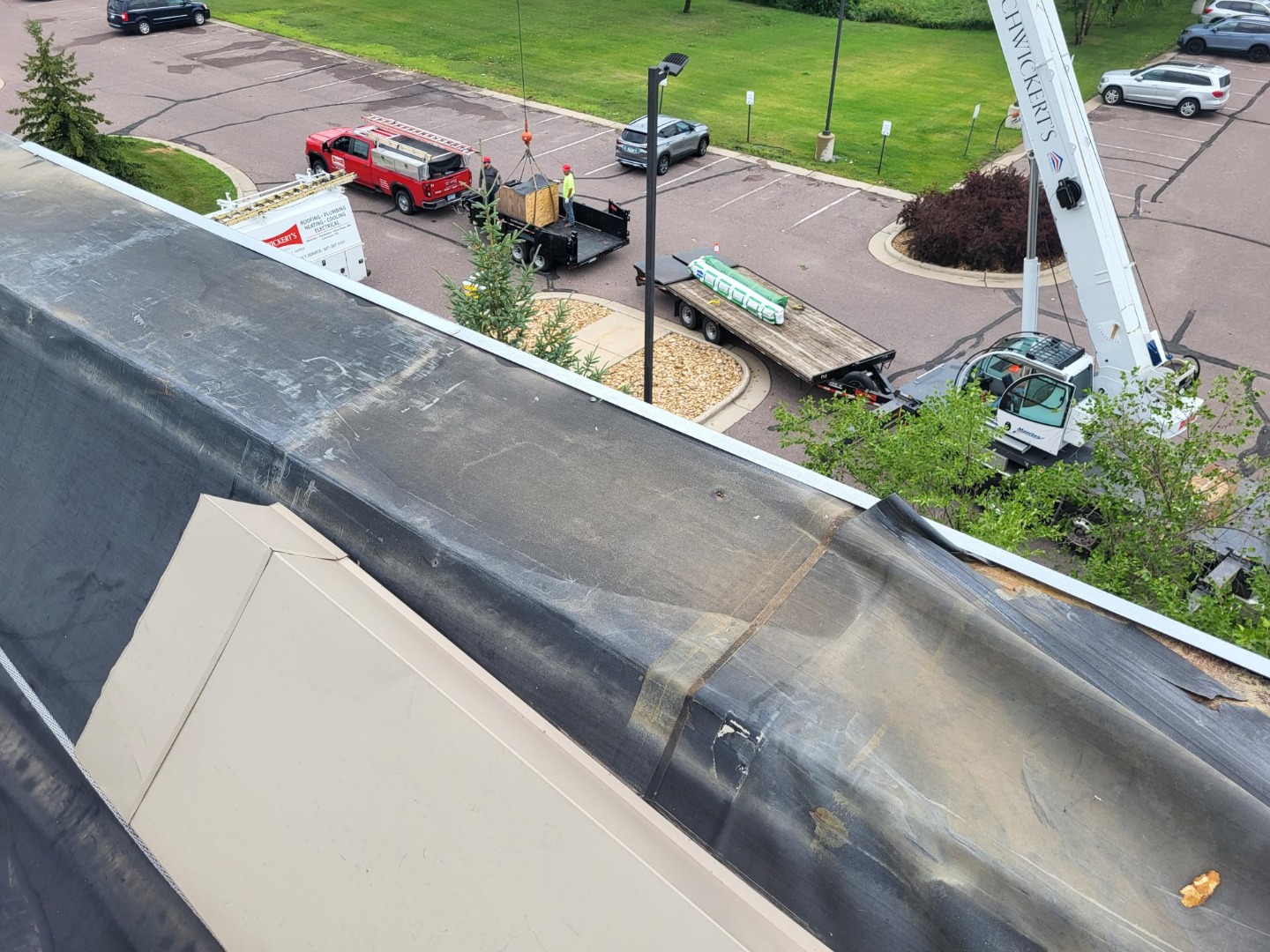
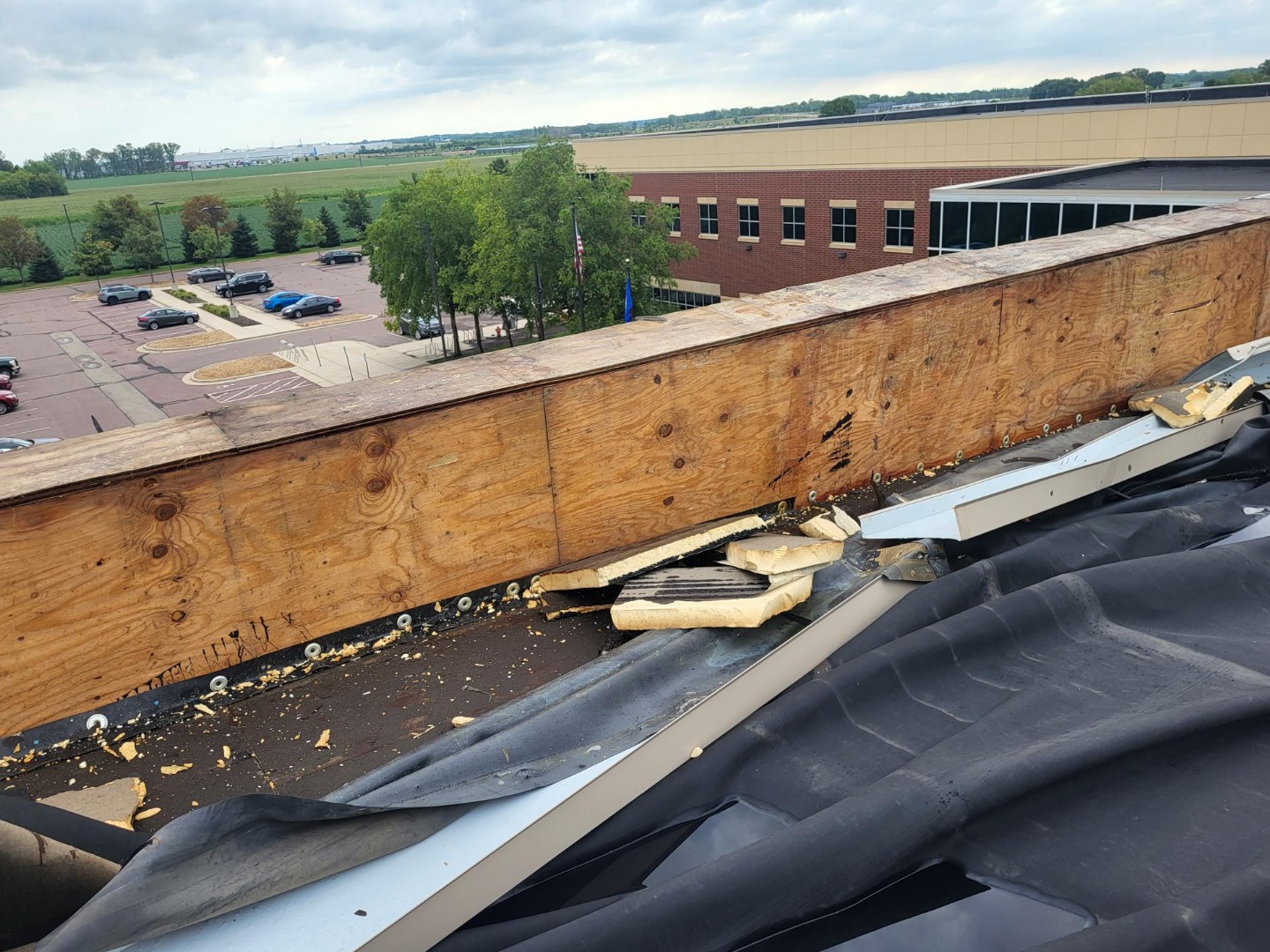
Every storm puts stress on the materials holding your roof together, and edge metal is often the first casualty. It’s designed to seal the roof’s perimeter and direct water away from the building, so when it’s damaged, water has a direct path into the structure below.
Roof material reacts differently depending on what you have installed. A single membrane puncture might seem contained, but wind-driven rain can push water well past the entry point before anyone notices. This is why a full material assessment, including a close look at your architectural metal and edge details, matters more than a quick visual check from the parking lot. Loose or bent edge metal in particular tends to worsen with every additional storm, since wind can catch an already-lifted edge and peel it back further.
Mechanical Equipment Doesn't Get a Pass
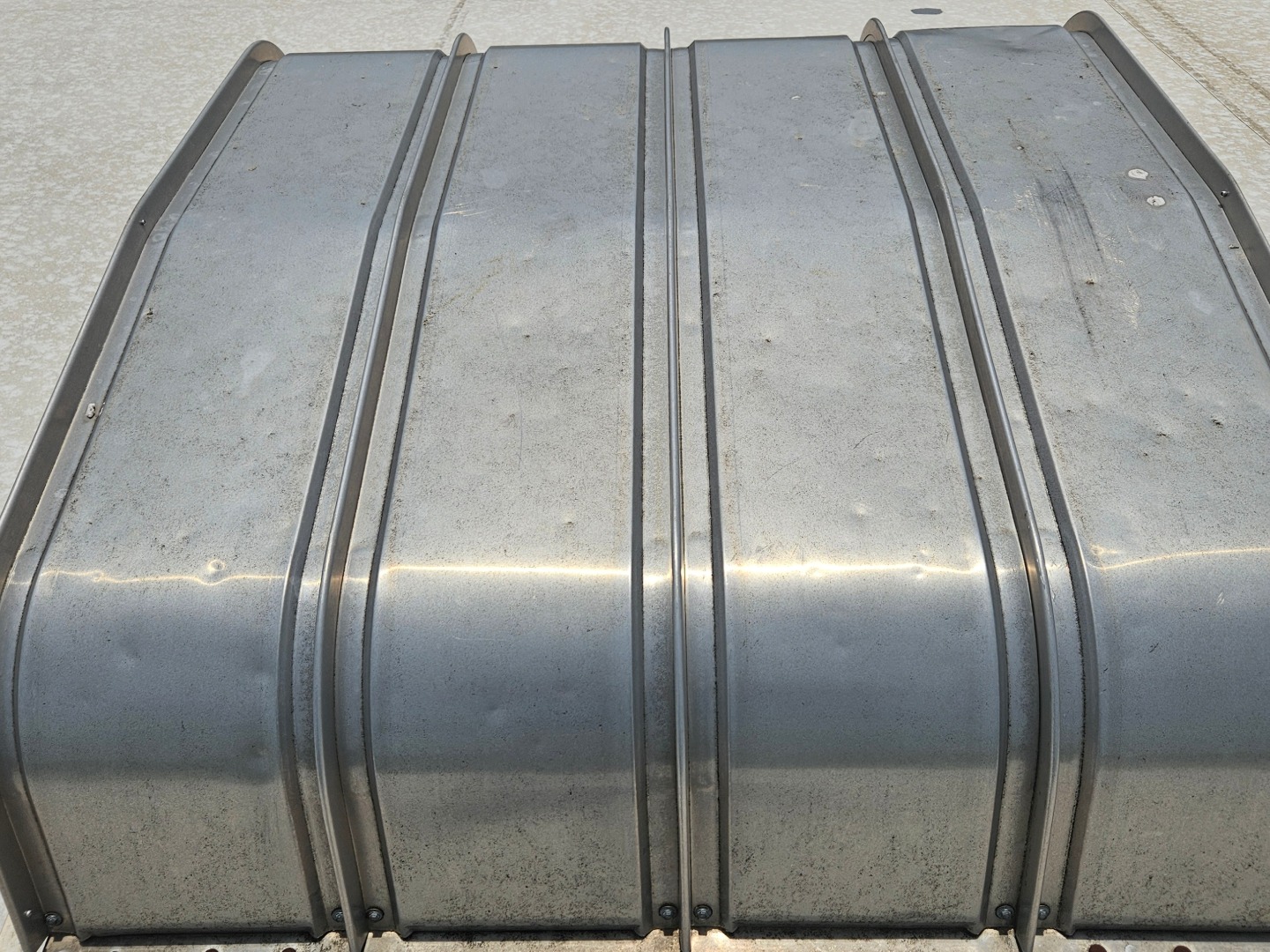
Rooftop HVAC units, condensers, and other mechanical equipment are directly exposed to whatever a storm brings. Hail dents can compromise a unit’s housing. Debris can clog intake vents. Wind can shift equipment just enough to strain electrical connections or refrigerant lines.
None of this is always visible from a quick walk-through, and running compromised equipment can shorten its lifespan or trigger a bigger failure down the line, often during a season when you need that system running the most. A unit that’s been quietly struggling since the last storm is far more likely to fail completely during the next heat wave or cold snap, usually at the least convenient time.
Why Waiting Rarely Saves Money
It’s tempting to hold off on an inspection if the building looks fine on the surface, especially when budgets are tight. But storm damage doesn’t pause while you wait for a more convenient time to address it. A small roof leak left unchecked for a few months can lead to replacing damaged insulation, repairing interior ceiling tiles, and dealing with mold remediation, on top of the original roof repair. What could have been a single line-item repair becomes three or four.
What Fast Assessment Actually Prevents
When storm damage hits, the priority is stopping any issues before they get worse. Schwickert’s 24/7 emergency team can get there and secure any vulnerable areas and help prevent further damage.
Once the immediate damage is addressed, Schwickert’s approach starts with a full inspection covering roof material condition, edge metal integrity, and mechanical equipment function. That assessment gives you a clear picture of what actually needs attention instead of guessing based on what’s visible
From there, emergency services and leak inspections address anything urgent right away, while preventative maintenance plans help keep smaller issues from becoming major repairs after the next storm rolls through.
Budgeting for What's Ahead
Storm damage repairs rarely fit neatly into an annual budget, which is why planning matters as much as the repair itself. Working with Tecta America and using the HVAC-R Tracker system, Schwickert’s helps building owners forecast equipment lifespan, plan for replacements before they become emergencies, and budget for maintenance with real data instead of estimates.
That kind of visibility makes it easier to decide what needs attention now versus what can be scheduled for later, without the guesswork that usually comes with storm-related repairs. Instead of reacting to each storm individually, building owners get a longer-term view of what their roof and mechanical systems will need over the next several years.
Don't Wait to Find Out What a Storm Left Behind
Storm damage rarely announces itself clearly. A full roof and mechanical equipment assessment is the only way to know what you’re actually dealing with, and catching it early is almost always less expensive than waiting.
Schedule a storm damage assessment with Schwickert’s today to get a clear picture of your roof, edge metal, and mechanical equipment before small issues turn into costly repairs.