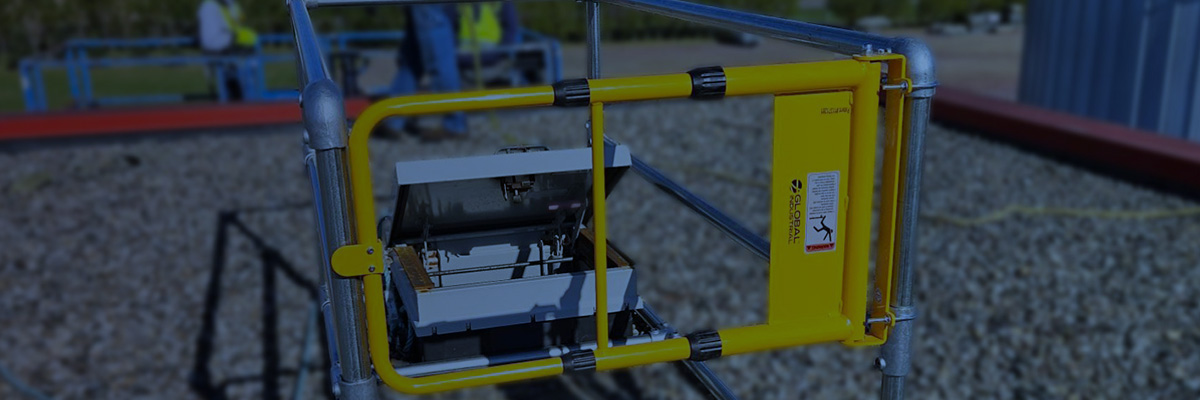
Rooftops and work areas around a commercial facility carry hazards that are easy to overlook. Open roof edges, skylights, roof hatches and worn access ladders can all lead to serious injuries or property damage. Custom safety fabrication addresses these hazards with equipment built for the exact layout of your building. This guide covers the main types of rooftop safety equipment, how a safety assessment works and how Schwickert’s dedicated safety team helps you stay ahead of OSHA requirements.
Why Facility Safety Starts on the Roof
A commercial roof sees plenty of foot traffic over the course of a year. Maintenance staff check equipment after storms. Service technicians work on rooftop units. Crews from our commercial plumbing team clear roof drains and inspect vent stacks. Each visit puts someone near an edge, an opening or a slick surface.
Falls are one of the leading causes of serious workplace injuries, and OSHA sets clear rules for protecting workers from fall hazards. As a building owner or manager, you are responsible for keeping these areas safe for employees, building visitors and the contractors you bring on site. A safety plan built around your specific roof makes that responsibility much easier to manage.
Start With a Safety Assessment
A safety assessment is the best first step. The audit identifies hazards on your rooftop that could result in personal injury or property damage.
During an assessment, our team looks at how people reach the roof, where they travel once they are up there and which areas put them at risk. Common findings include:
• Unprotected roof edges along regular walking paths
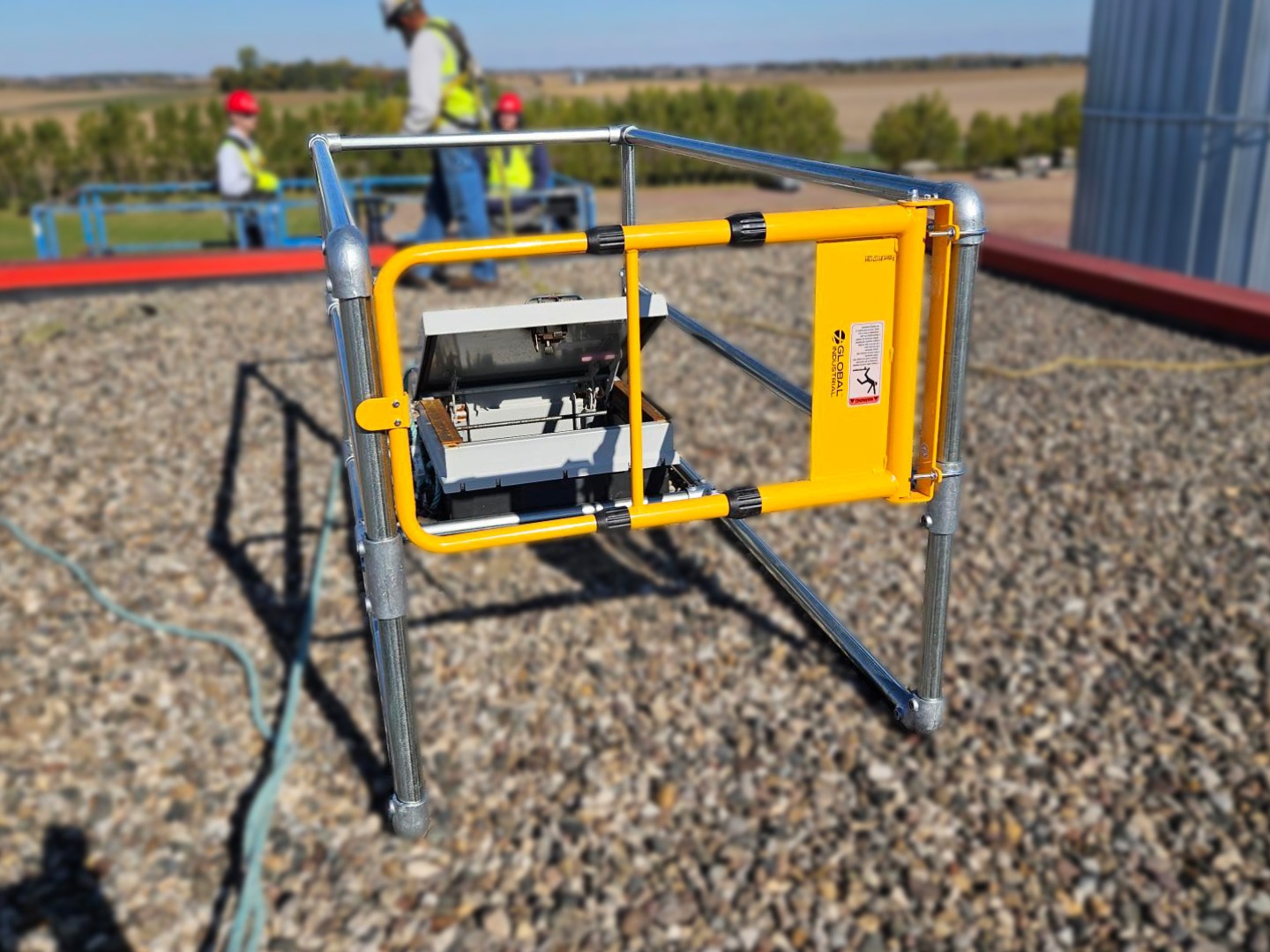
• Skylights and roof hatches without guards
• Ladders that are damaged, unsecured or poorly placed
• Missing tie-off points for workers who need fall protection
• Rooftop equipment that sits close to an edge
The results give you a clear picture of what needs attention first. From there, Schwickert’s can design and build solutions that bring your roof in line with current safety standards.
Safe Rooftop Access
Getting onto the roof is often the riskiest part of the trip. A ladder without a secure handhold at the top forces workers into awkward movements at height. Roof hatches create a similar problem when there is nothing to hold onto during the climb out.
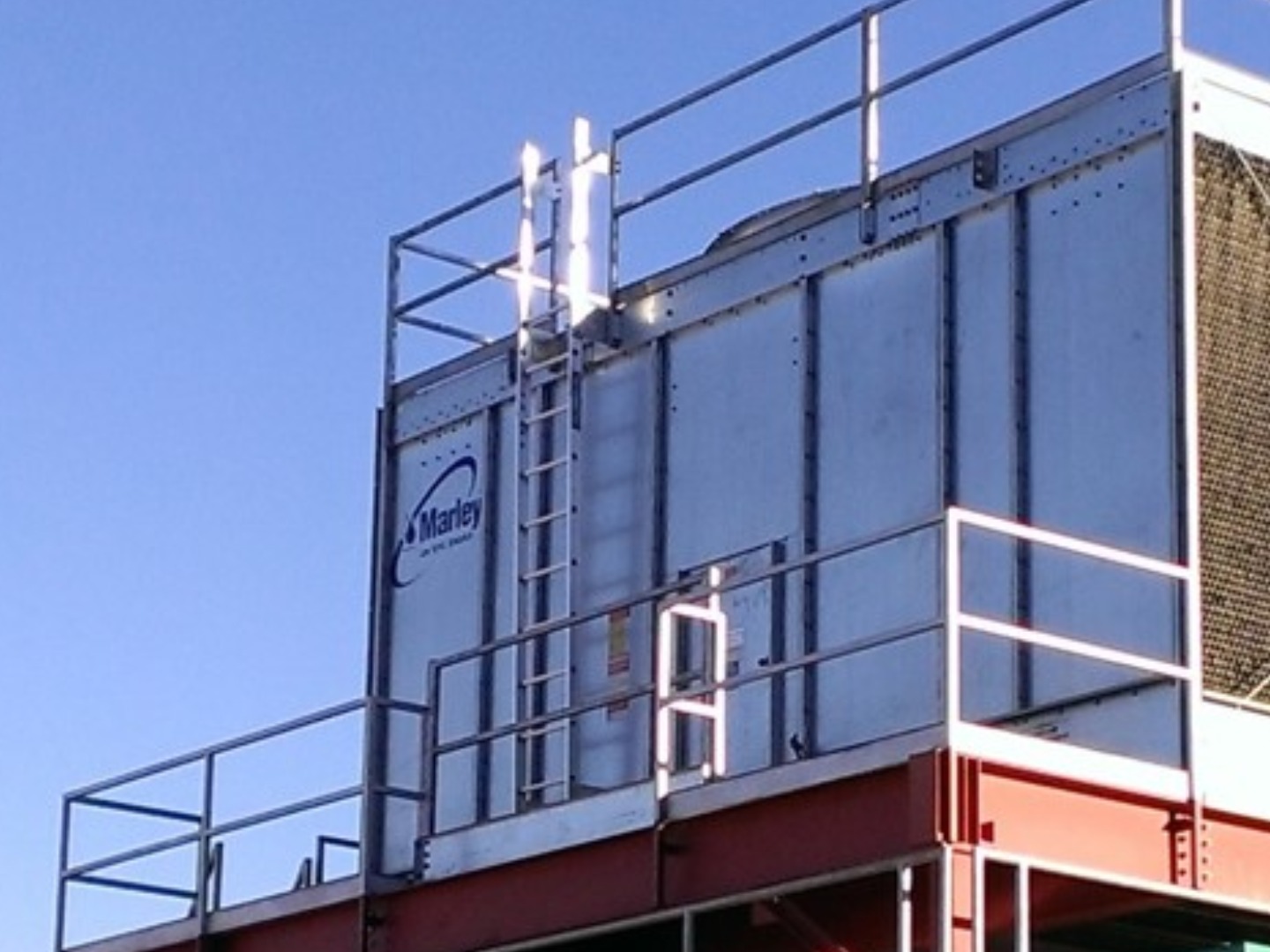
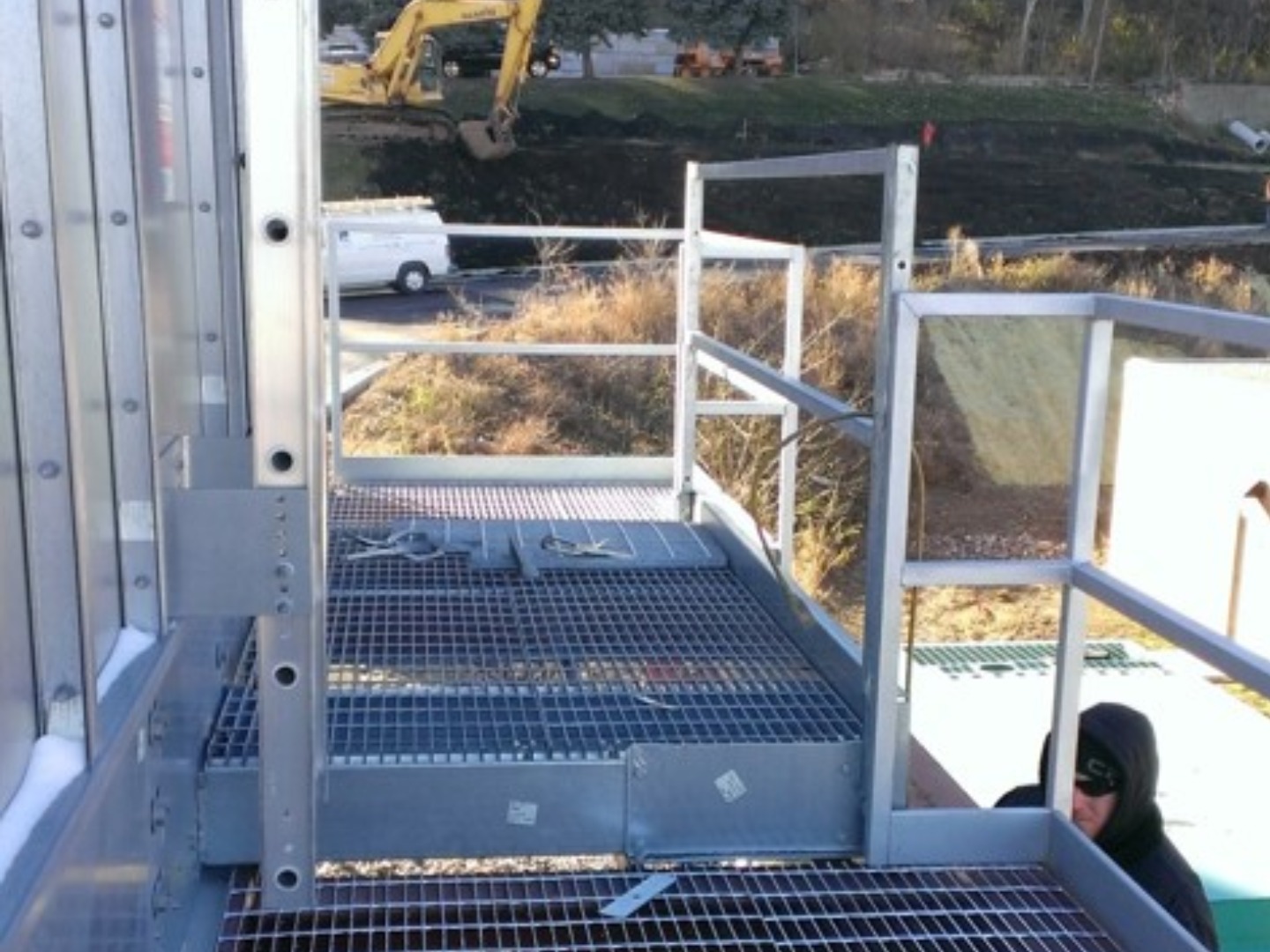
Schwickert’s builds custom ladders and access systems sized for your building. Depending on the layout, options can include fixed ladders, stair-style access with handrails and guardrails around hatch openings. Each piece is built to fit the structure it serves. That fit helps workers climb up, step off and return safely.
Safe access matters for every trade that works on your roof. Technicians from our commercial HVAC services team, for example, rely on secure access to reach rooftop units while carrying tools and parts.
Guardrails and Hazard Guards
Guardrails create a physical barrier between people and the hazards around them. They are one of the most dependable forms of fall protection since they work without any action from the worker.
Guardrail systems are commonly used in these areas:
• Along roof edges where workers travel or perform regular maintenance
• Around skylights, which can break under a person’s weight
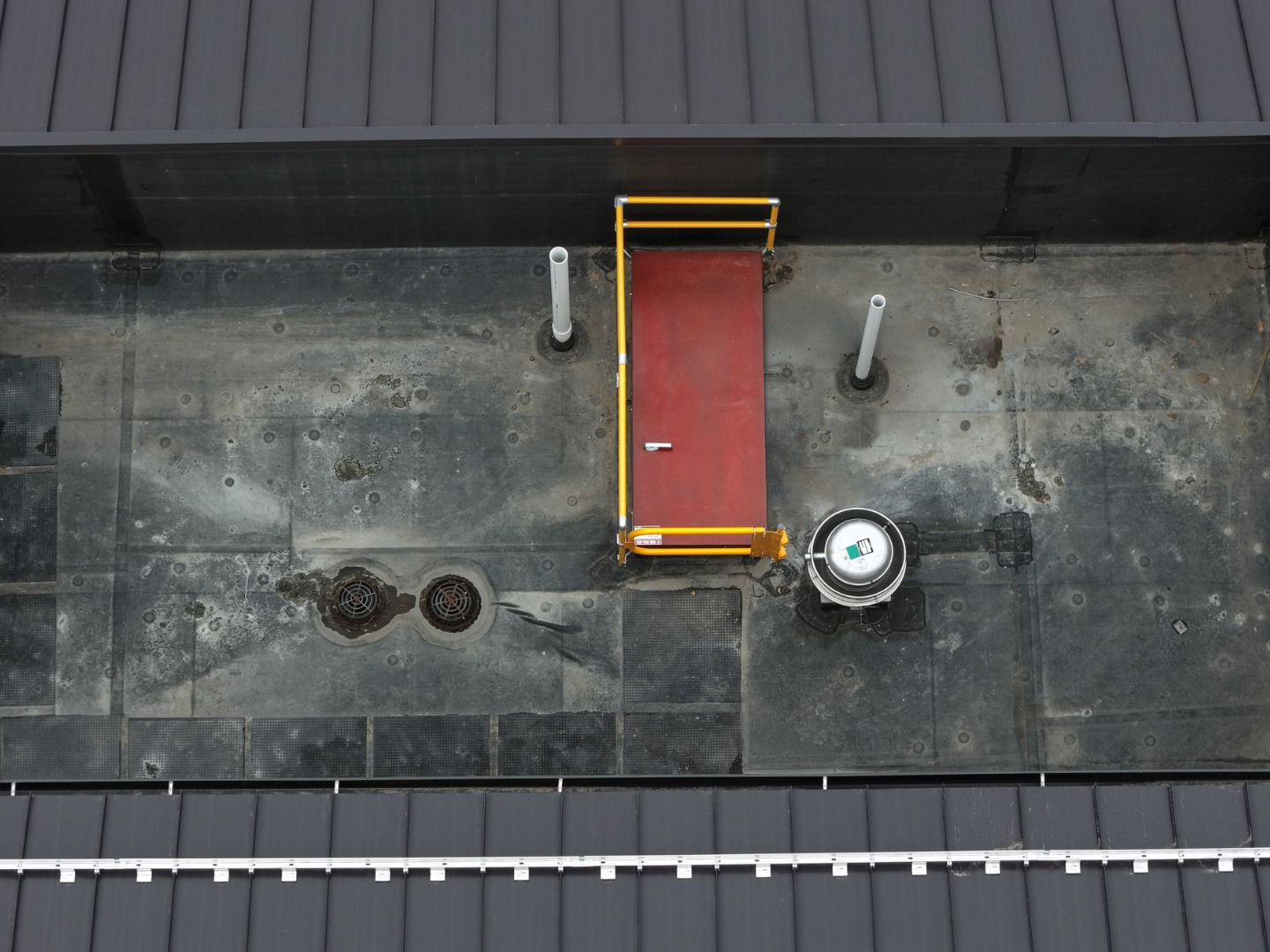
• Around roof hatches and other openings
• Near rooftop equipment that sits close to an edge
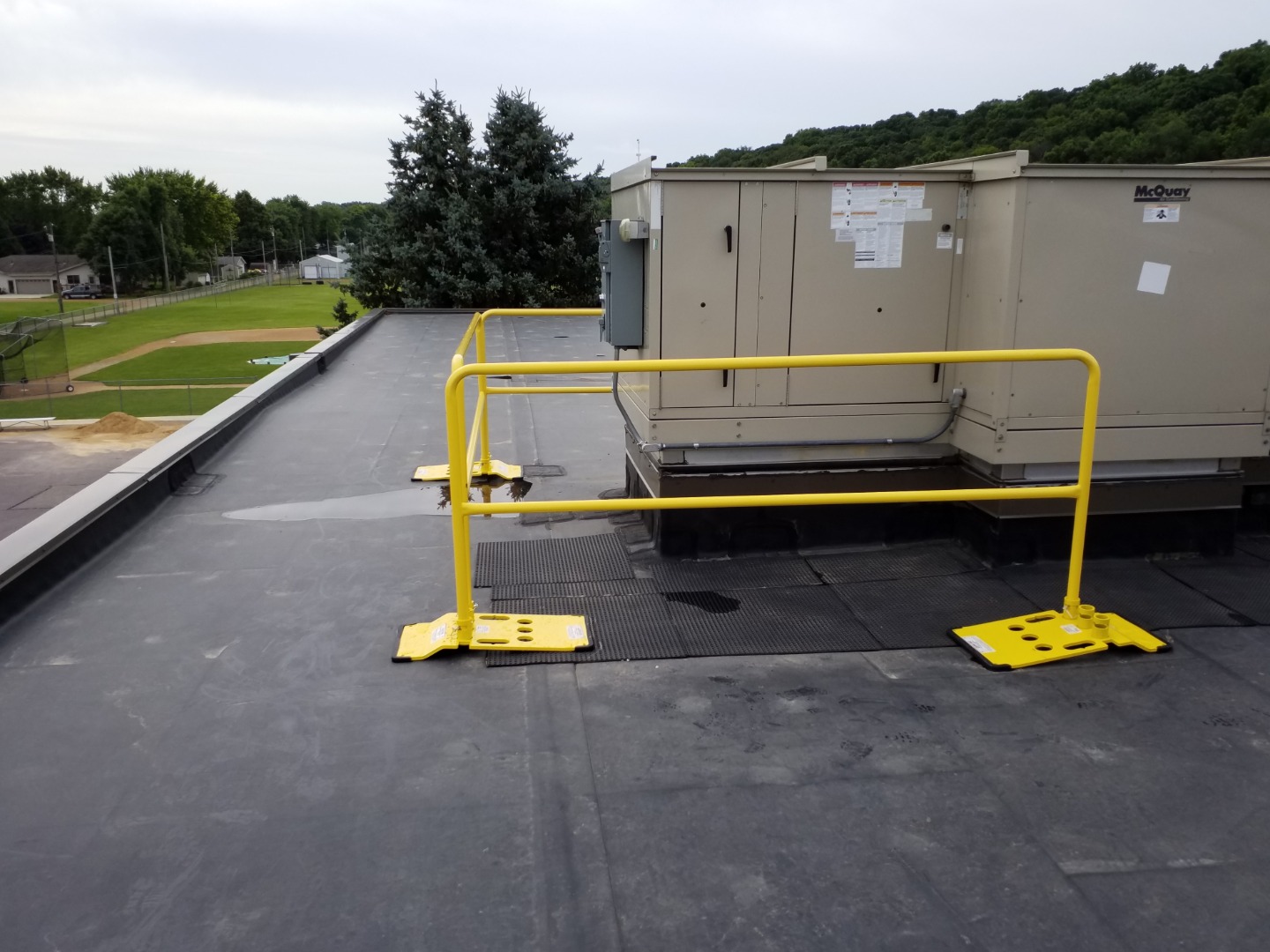
Custom fabrication allows each guardrail to match the layout of the roof. Schwickert’s offers both freestanding and attached guardrail systems. Freestanding systems sit on the roof surface without penetrating the membrane. Attached systems connect directly to the structure. The right choice depends on the roof type and how the area is used.
Timing can also make a difference. If you are planning a roof replacement, our commercial roofing team can coordinate the project so the new roof system and safety equipment are planned together.
Engineered Anchor Points
Some tasks require workers to move beyond the protection of a guardrail. Edge work, facade maintenance and certain repairs often fall into this category. In these situations, workers wear a personal fall arrest system that connects to an anchor point.
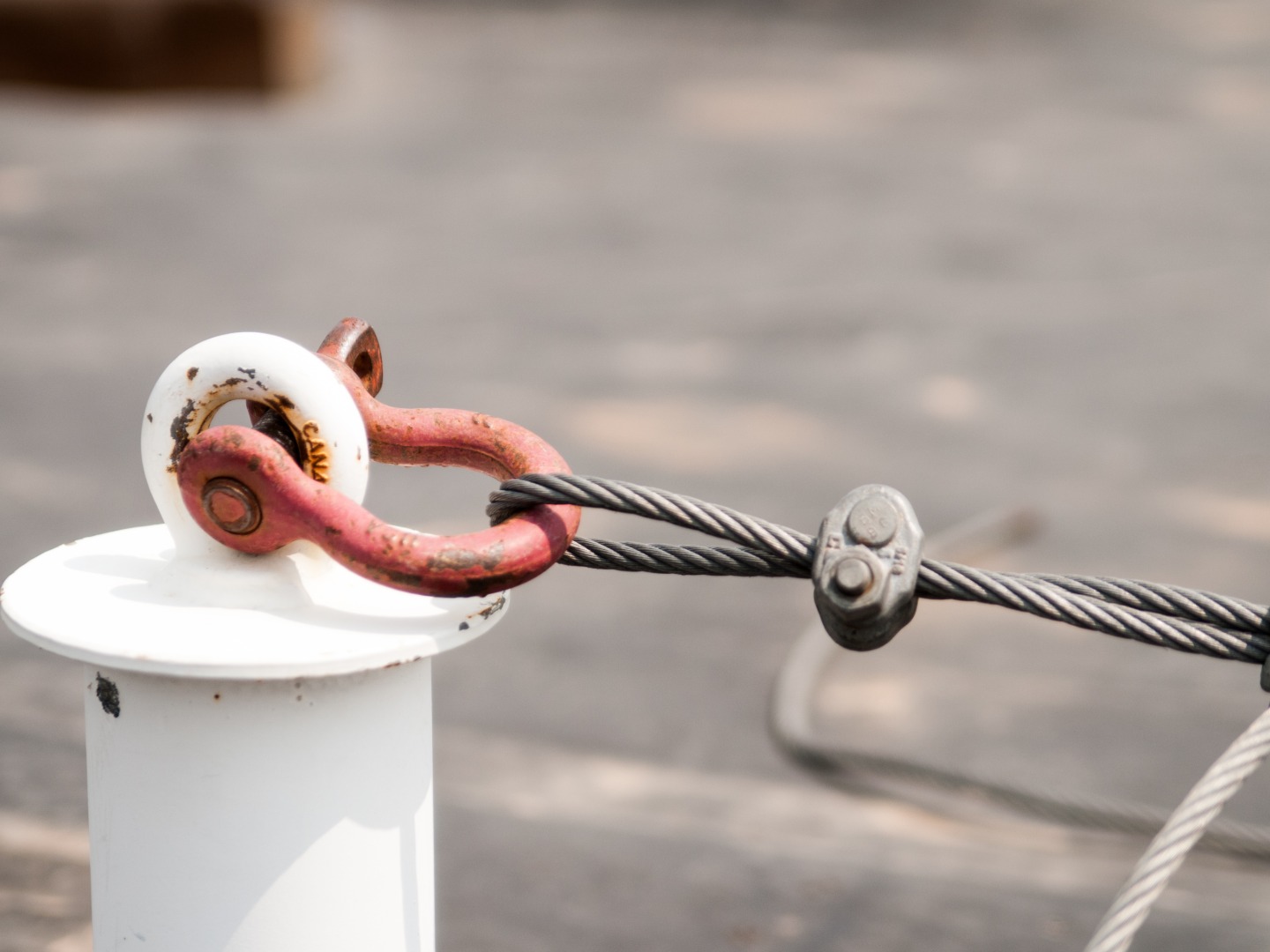
An anchor point has to hold the force of a fall, so it needs to be designed for the structure it attaches to. Schwickert’s provides engineered anchor points that give workers a secure place to tie off. Placement matters as much as strength. Anchors should be located where workers actually need them, which makes tying off a natural part of the job.
A Safety Partner That Keeps You Ahead of OSHA Changes
OSHA regulations change over time. Tracking those updates is a lot to ask of facility managers who already juggle maintenance, budgets and tenant needs. Working with a partner who follows these changes closely takes that burden off your plate.
Schwickert’s has its own dedicated safety team. They know OSHA regulations well and stay current as rules are updated. When a change affects your facility, we will let you know and help you plan the next step. That ongoing support means your rooftop safety equipment keeps pace with current standards long after it is installed.
Safety is also built into how our own crews work every day. Our safety program includes:
• Daily site safety visits and job hazard analysis
• Weekly safety and quality toolbox talks
• Mandatory pre-job planning meetings
• Monthly safety training and safety committee meetings
We also partner with the MN Safety Council, Associated Builders and Contractors and South Central College for training and resources. When you work with Schwickert’s, you get recommendations shaped by that same commitment.
Our team also helps with the financial side of safety upgrades. Ask us how your company may qualify for an OSHA grant.
Partner With Schwickert’s for a Safer Facility
Rooftop safety works best when one team handles it from start to finish. Schwickert’s identifies the hazards, designs the solution and fabricates the ladders, guardrails, guards and anchor points your building needs. Our safety team stays with you after the work is done and keeps you informed as regulations change. That gives you a partner who protects your people and helps you stay compliant year after year.
Contact our safety services team to schedule your rooftop safety audit.