
A commercial roof rarely fails without warning. Small issues show up first: a lifted seam, a cracked pipe boot, ponding water in one corner. These signs tend to appear long before a leak actually reaches the inside of the building. The problem is that most of them are invisible from the ground. Without regular inspections, a manageable repair can turn into a much larger, more expensive problem before anyone notices something is wrong.

A General Guideline for Inspection Frequency
Most commercial roofs benefit from a full inspection at least once a year, either in spring or fall, with additional inspections after any major storm event. Spring inspections catch damage from winter freeze-thaw cycles and heavy snow loads. Fall inspections make sure the roof is prepared for the season ahead.
A few factors tend to push a building toward more frequent inspections:
• An older roofing system nearing the end of its expected lifespan
• A flat or low-slope design, which is more prone to ponding and drainage issues
• A history of past repairs or patchwork
• Rooftop mechanical equipment that requires regular maintenance access
Why Post-Storm Inspections Matter Just as Much
Scheduled inspections catch gradual wear. Storm damage doesn’t wait for a calendar date. Hail, high winds, and heavy rain can compromise a roofing system in ways that aren’t obvious from a quick visual check. Wind can lift or loosen membrane seams without tearing them completely. Hail impact can bruise a membrane in a way that only shows up as a leak months later, once the material has had time to fail.
Waiting until a leak actually appears means the damage has already had time to spread into insulation, decking, or the building’s interior. A prompt post-storm inspection catches this kind of hidden damage while it’s still a surface-level issue rather than a structural one.
What Gets Checked During a Commercial Roof Inspection
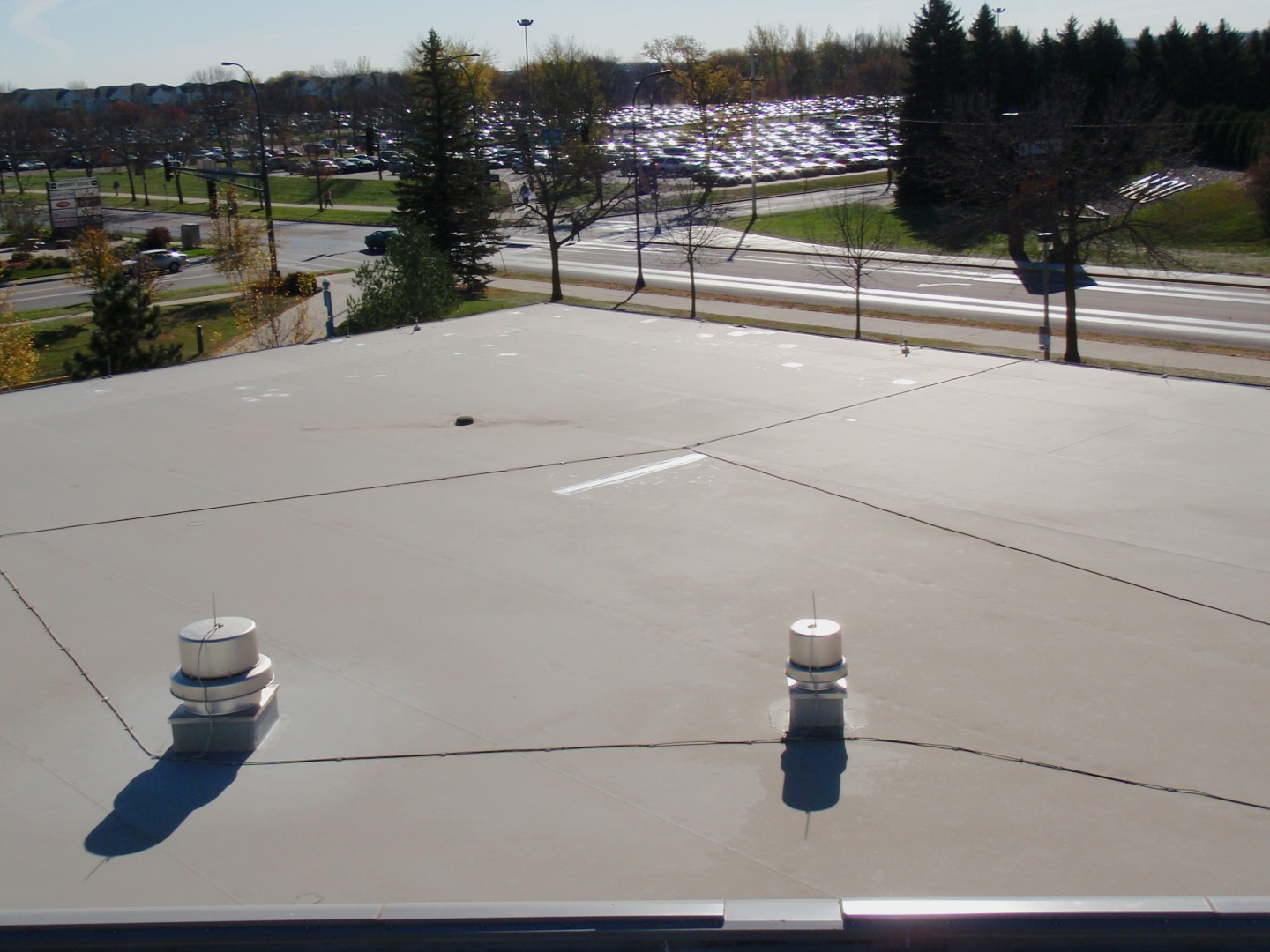
A thorough inspection covers more than a walk across the surface looking for obvious problems. A typical inspection includes:
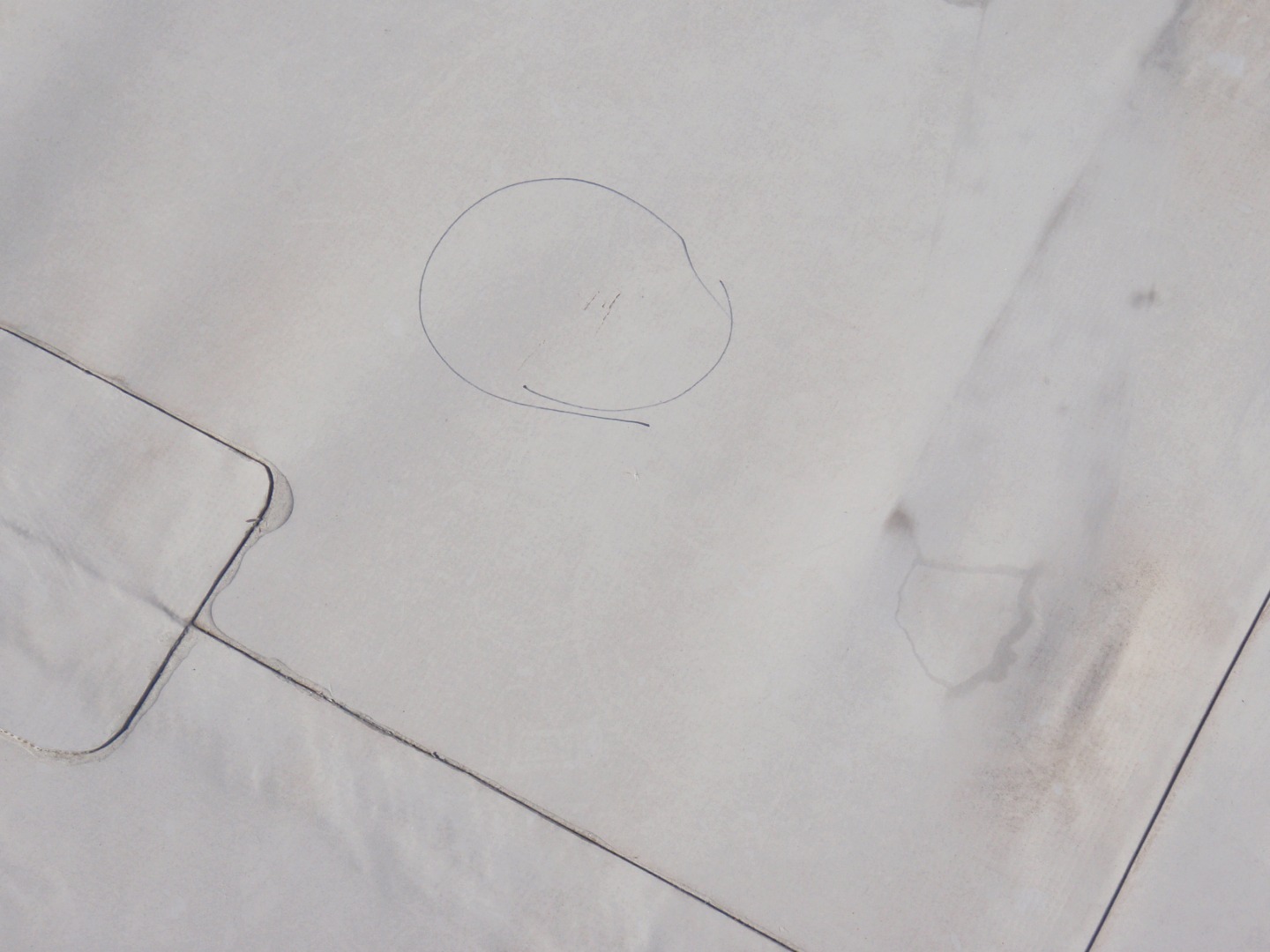
• The roofing membrane, checked for blistering, cracking, or seam separation
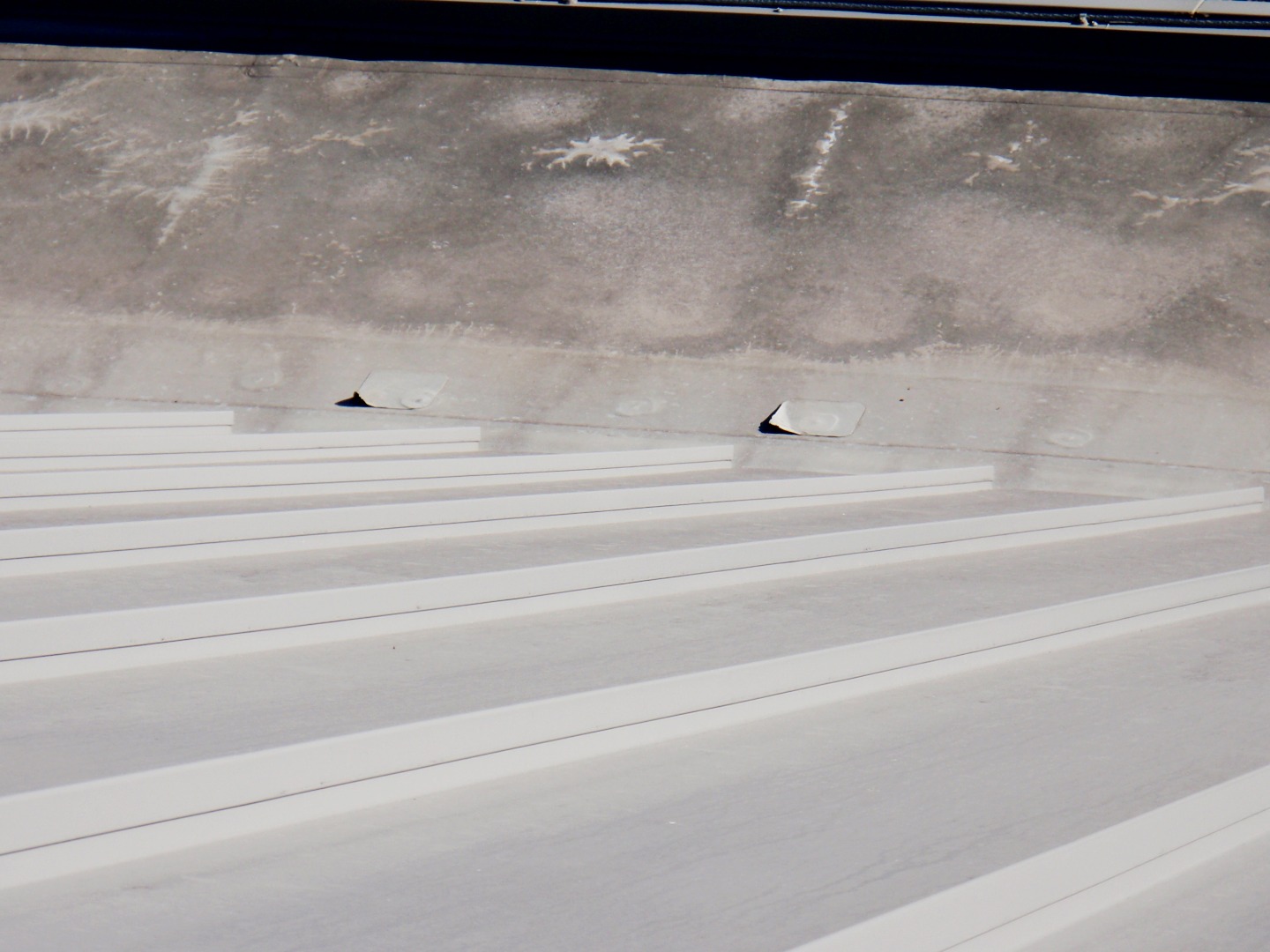
• Flashing and edge metal, common points of failure where the membrane meets walls, vents, and equipment
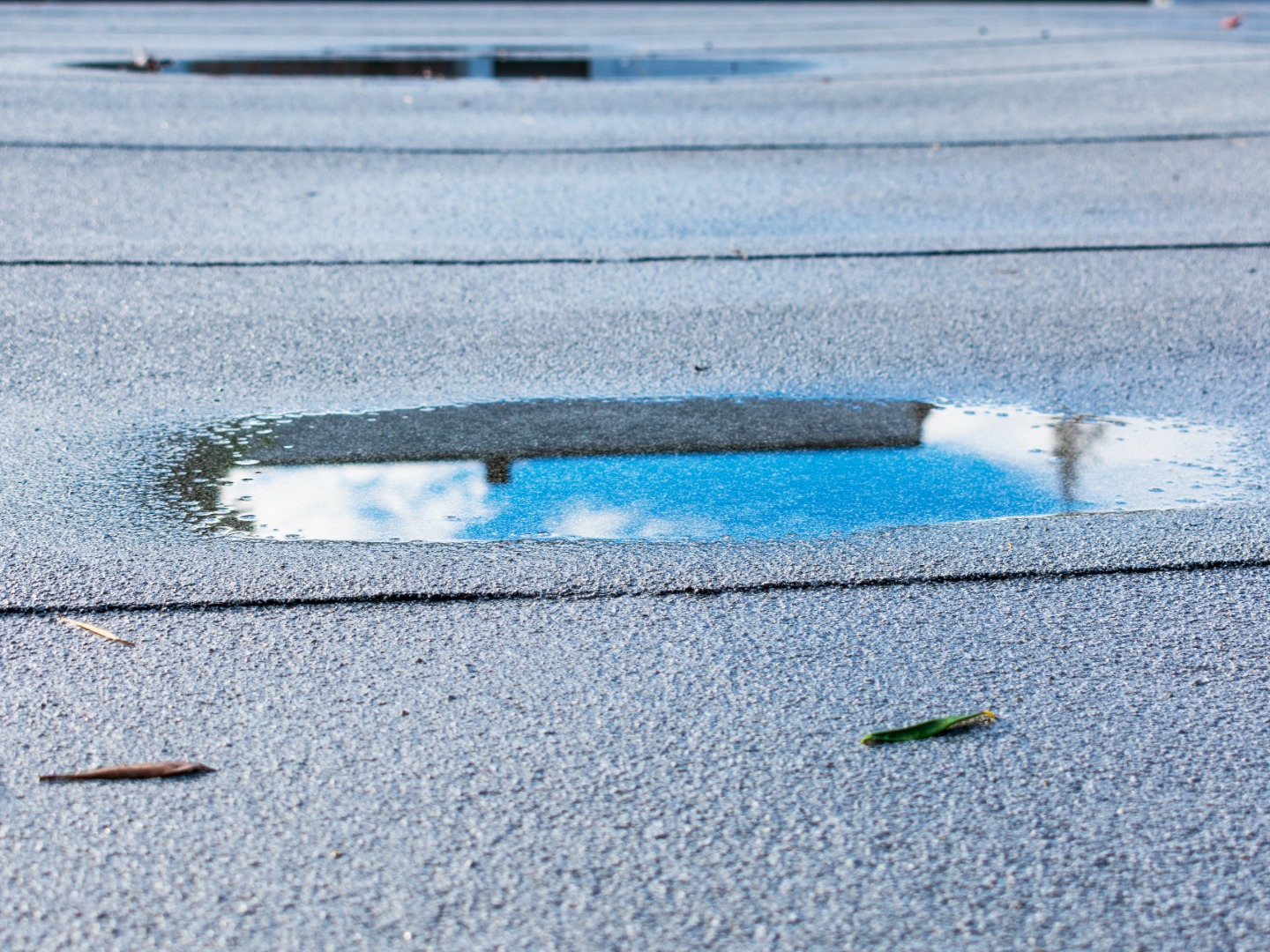
• Drainage systems, since ponding water that doesn’t clear within 48 hours puts ongoing stress on the membrane
• Rooftop mechanical equipment, including HVAC units and exhaust fans, since improper flashing around this equipment is a common source of leaks
HVAC units and other rooftop equipment are worth a closer look during an inspection. They’re often installed after the original roof goes in, and the flashing work around them isn’t always done to the same standard as the rest of the roof.
What Happens When Inspections Get Skipped
A roof that goes without regular inspection doesn’t fail all at once. It fails gradually, in ways that are easy to miss until the damage becomes visible from inside the building. By the time a leak shows up on a ceiling tile or a wall, the underlying problem has often existed for months. Moisture has already had time to spread into insulation and decking, both of which now need to be replaced along with the original issue.
The cost difference is significant. A small membrane repair caught early might cost a few hundred dollars. The same issue left unaddressed for a year can turn into a full section replacement, plus repairs to whatever the water damaged on its way through the building. Delayed inspections don’t just risk a bigger repair bill. They also risk disrupting business operations if the damage reaches areas being used day to day.
How Schwickert's Tecta Tracker Supports Inspection Scheduling
Keeping track of inspection dates, repair history, and roof condition across multiple buildings is its own kind of challenge, especially for facility managers overseeing more than one property. Schwickert’s Tecta Tracker gives building owners a clear, centralized view of roof condition and inspection history. That makes it easier to stay ahead of scheduling rather than relying on memory or scattered paperwork.
Tecta Tracker also helps facility managers plan and budget for roofing maintenance over time, rather than being caught off guard by a large, unexpected repair. A documented inspection history matters for insurance claims and warranty coverage too, since clear records make it easier to demonstrate that a roof has been properly maintained.
Staying Ahead of Roof Problems Before They Start
A commercial roof inspected on a consistent schedule, and promptly after storm events, tends to last longer and cost less to maintain over its lifetime. Skipping inspections might not cause a problem right away. It just removes the early warning system that catches small issues while they’re still small.
If it’s been a while since your roof was last inspected, or a recent storm has you wondering whether it needs a closer look, Schwickert’s Tecta America can help. Our team conducts thorough roof inspections and uses Tecta Tracker to help you stay ahead of maintenance and budgeting for the long term. Call 507-387-3101 or reach out online to schedule an inspection and get a clear picture of where your roof stands today.