
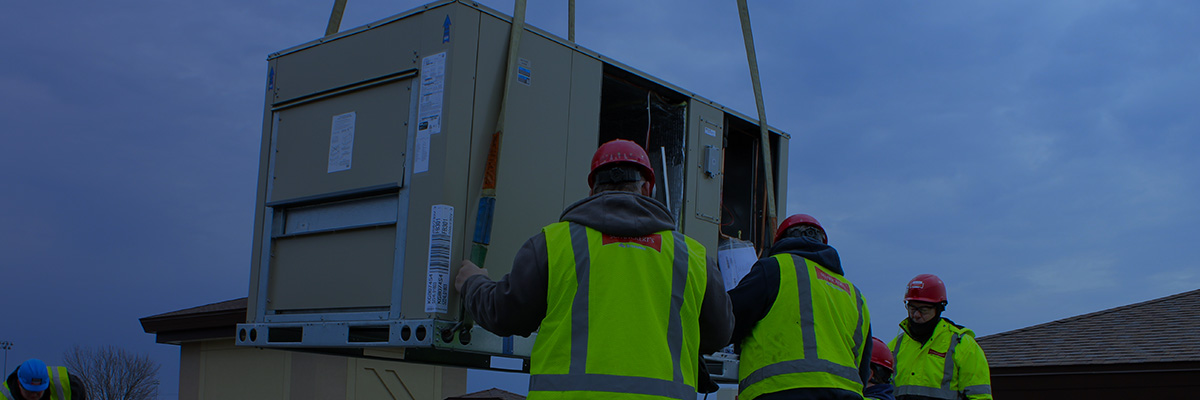
A rooftop unit can fail without warning, but most replacements should not come as a complete surprise. Tracking equipment age, condition, repair history and performance can help building owners plan ahead instead of waiting for a failure. For commercial building owners in Mankato, understanding what drives RTU replacement costs, and when repair stops making financial sense, can save thousands of dollars and eliminate some of the guesswork.
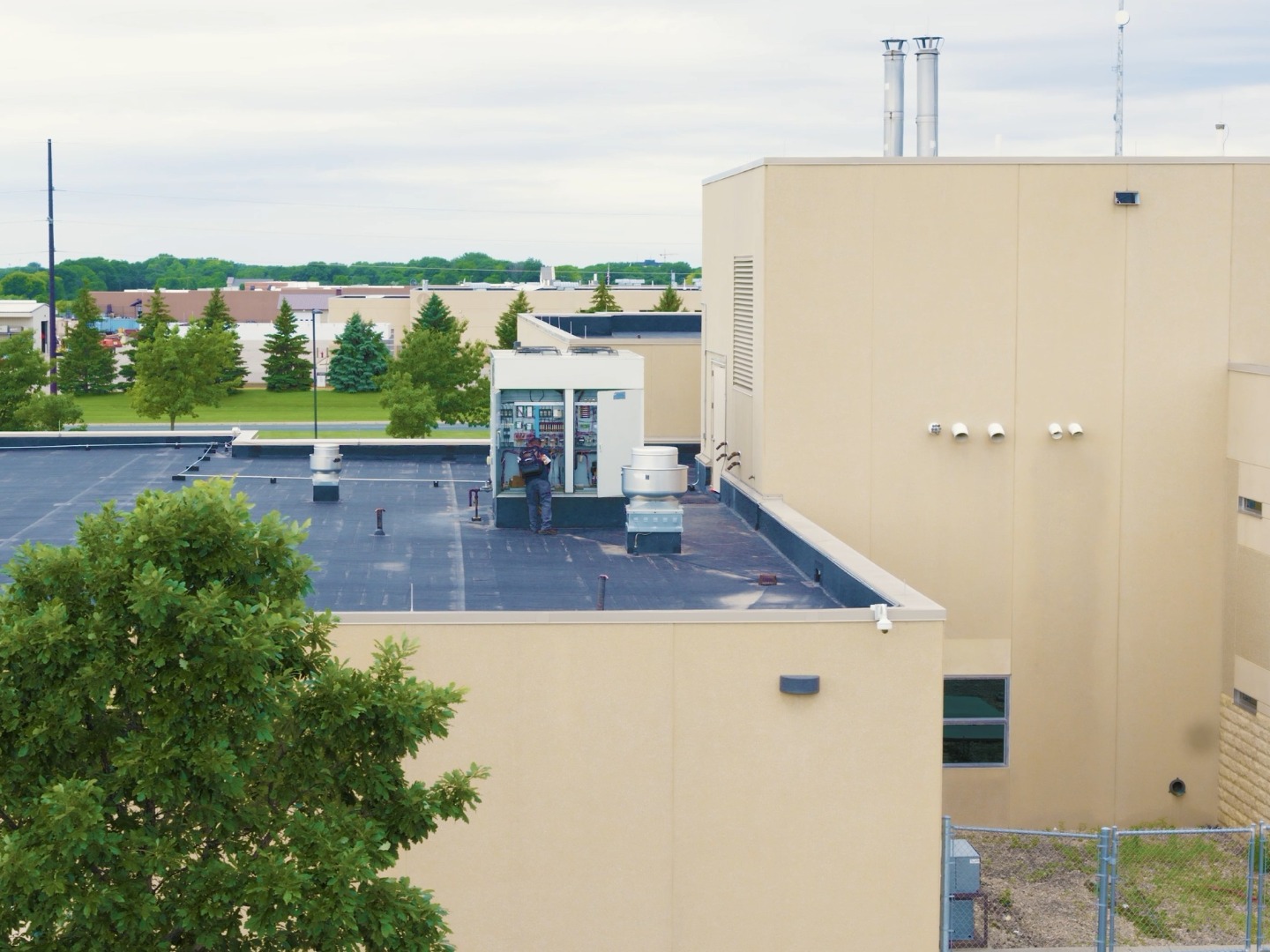
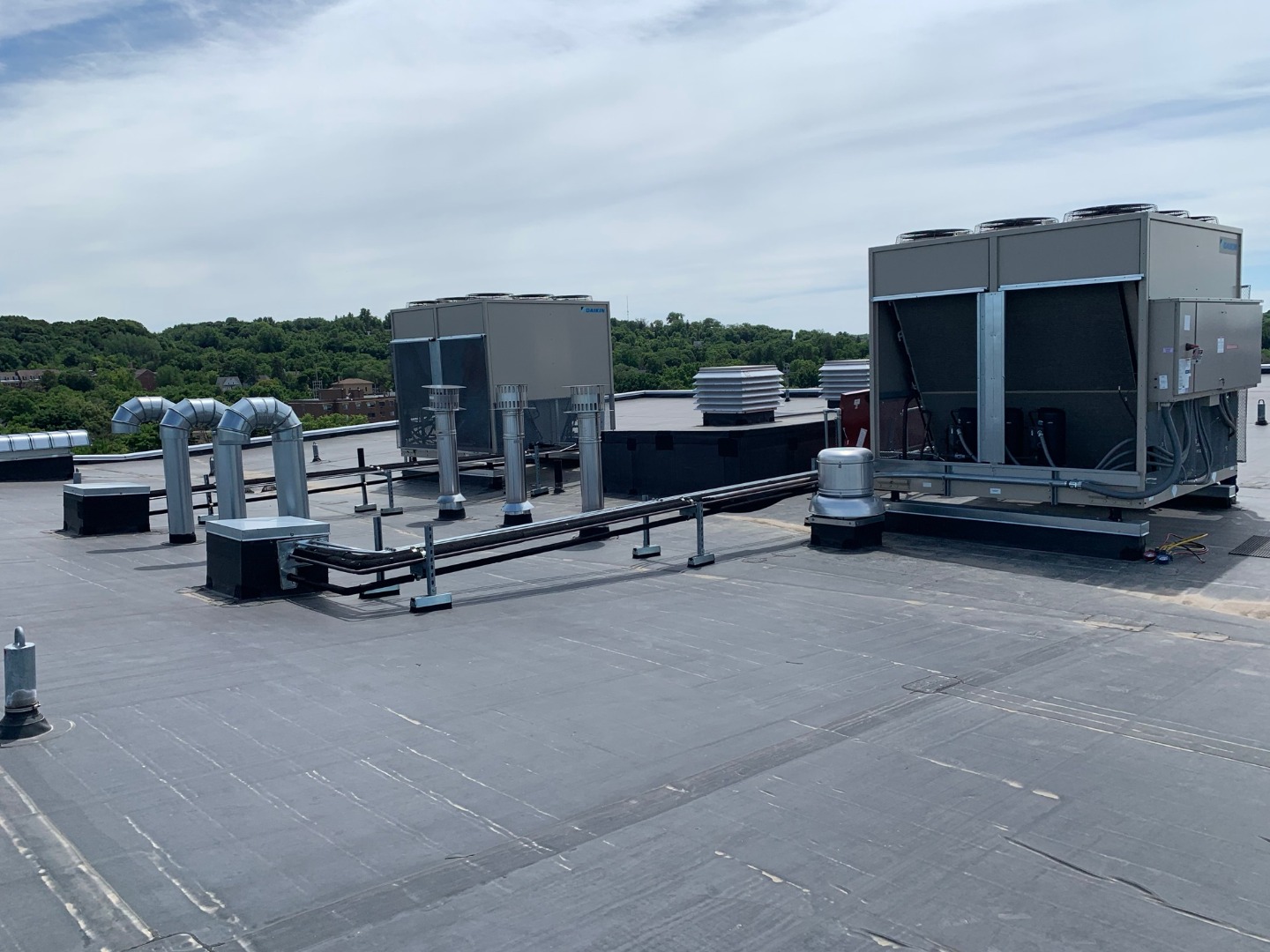
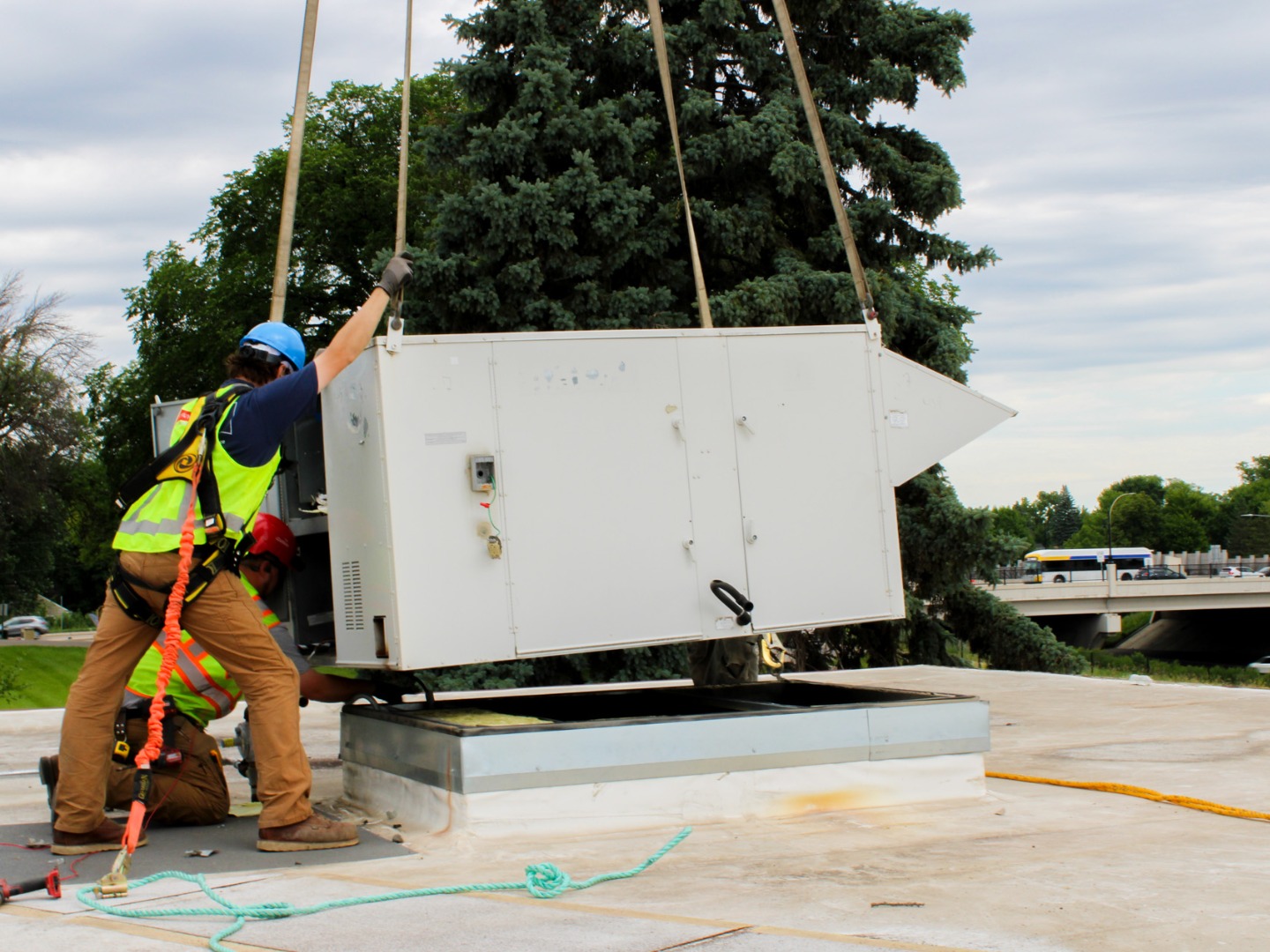
What Drives the Cost of Replacing a Rooftop Unit
Every RTU replacement is different, but a few factors consistently determine the final price.
Unit size and tonnage. Larger buildings need larger units, and cooling capacity has a direct impact on cost. The price of a unit for a small office looks very different on the invoice than one sized for a warehouse or large retail space.
Efficiency rating. Higher-efficiency units cost more upfront but lower monthly operating costs over the life of the equipment. For many Mankato businesses, the higher initial investment pays for itself within a few years through reduced energy bills.
Curb and ductwork compatibility. If a new unit doesn’t match the existing roof curb or ductwork configuration, additional structural work is often required. This is one of the most overlooked cost factors in a replacement project.
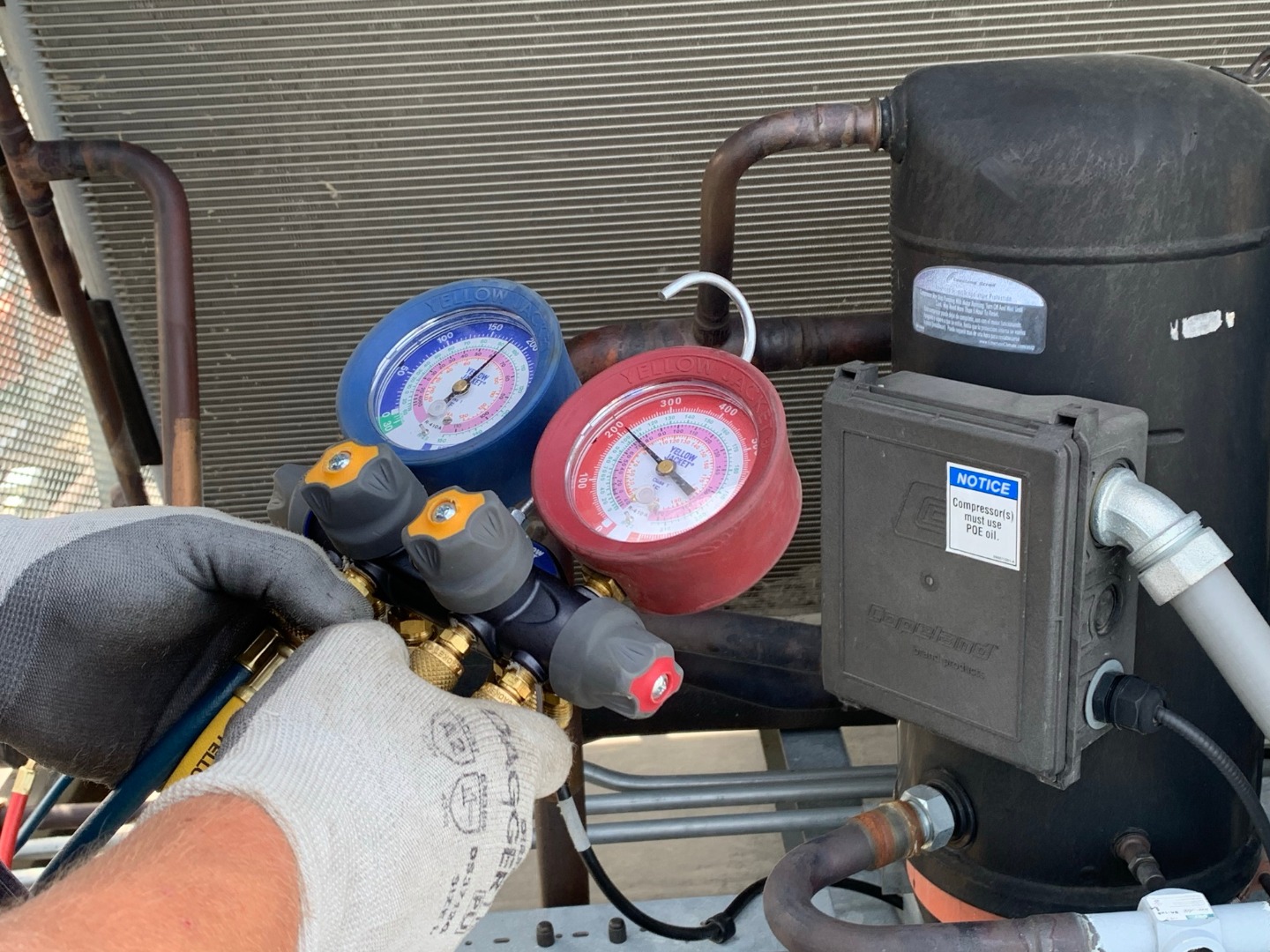
Refrigerant type. Older units running on outdated refrigerant, which has been phased out of production, often cost more to service and eventually require a full system replacement rather than a simple refrigerant top-off.
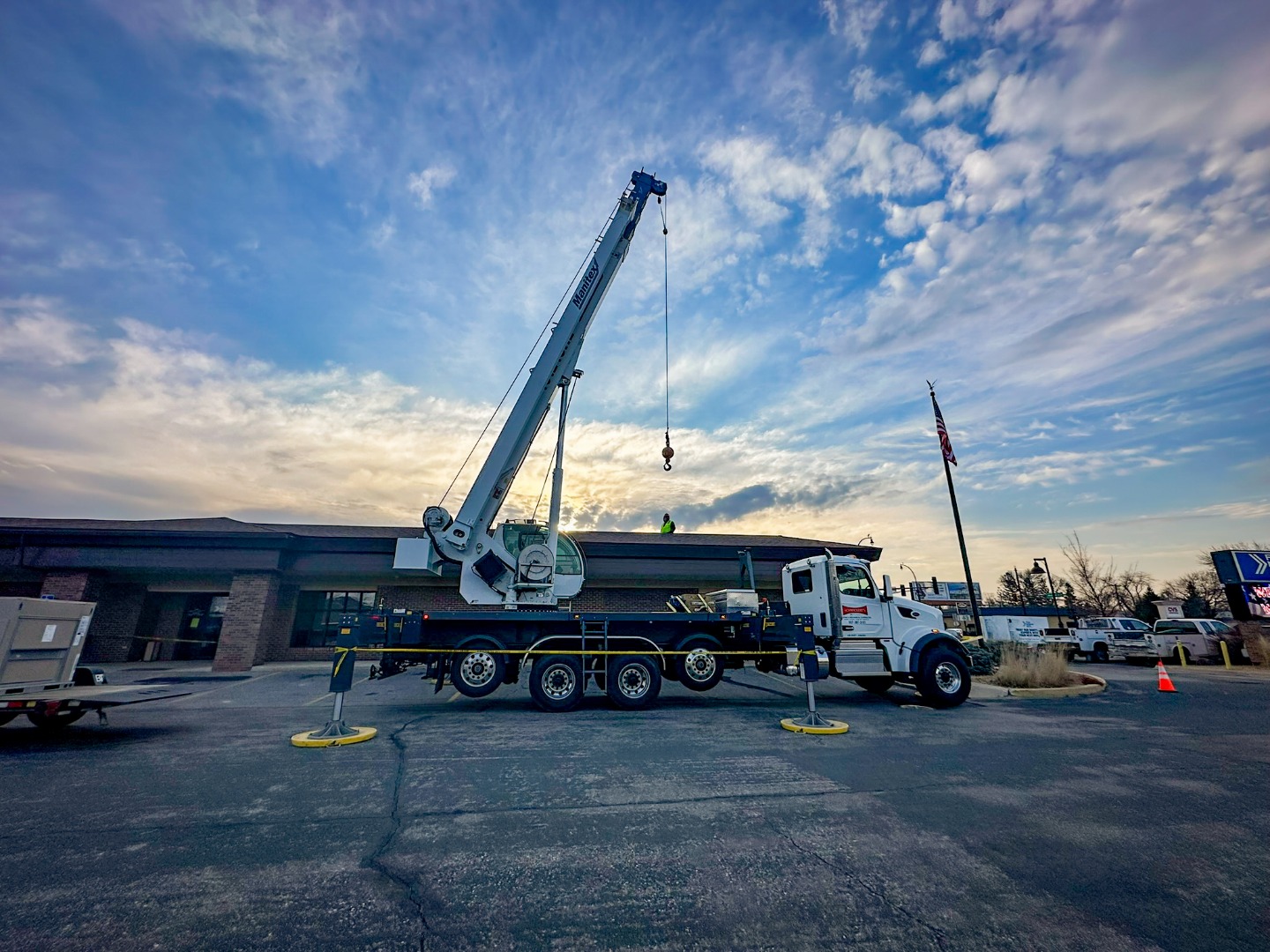
Labor and disposal. Rooftop access and crane rental both add real cost to a replacement project, especially on buildings without easy equipment access. Proper disposal of the old unit is factored in as well, and larger commercial buildings tend to see higher costs across all of these categories simply due to scale.
When Repair Makes Sense, and When It Doesn't
Every commercial HVAC system eventually reaches a point where continued repairs cost more than they’re worth. A few signs point toward replacement rather than another repair call.
• The unit is approaching or has passed its intended lifespan, or estimated years of service
• Repair costs are approaching 30 to 50 percent of the cost of a new unit
• Energy bills have climbed noticeably as the unit has aged
• The system runs on outdated refrigerant
• Repair calls are becoming more frequent
A single repair on an aging unit rarely tells the whole story. The better question is whether the overall pattern points toward replacement being the more cost-effective choice over the next few years, factoring in the unit’s age and how much efficiency it has already lost. Looking at any one of these factors alone can lead to a decision that looks reasonable in the moment but turns out to be the wrong call a year or two later.
How Schwickert's HVAC-R Tracker Takes the Guesswork Out of This Decision
Most building owners make the repair-or-replace decision with incomplete information. They know the current repair estimate, but they don’t have a clear picture of the unit’s full service history or how much longer it’s realistically expected to last.
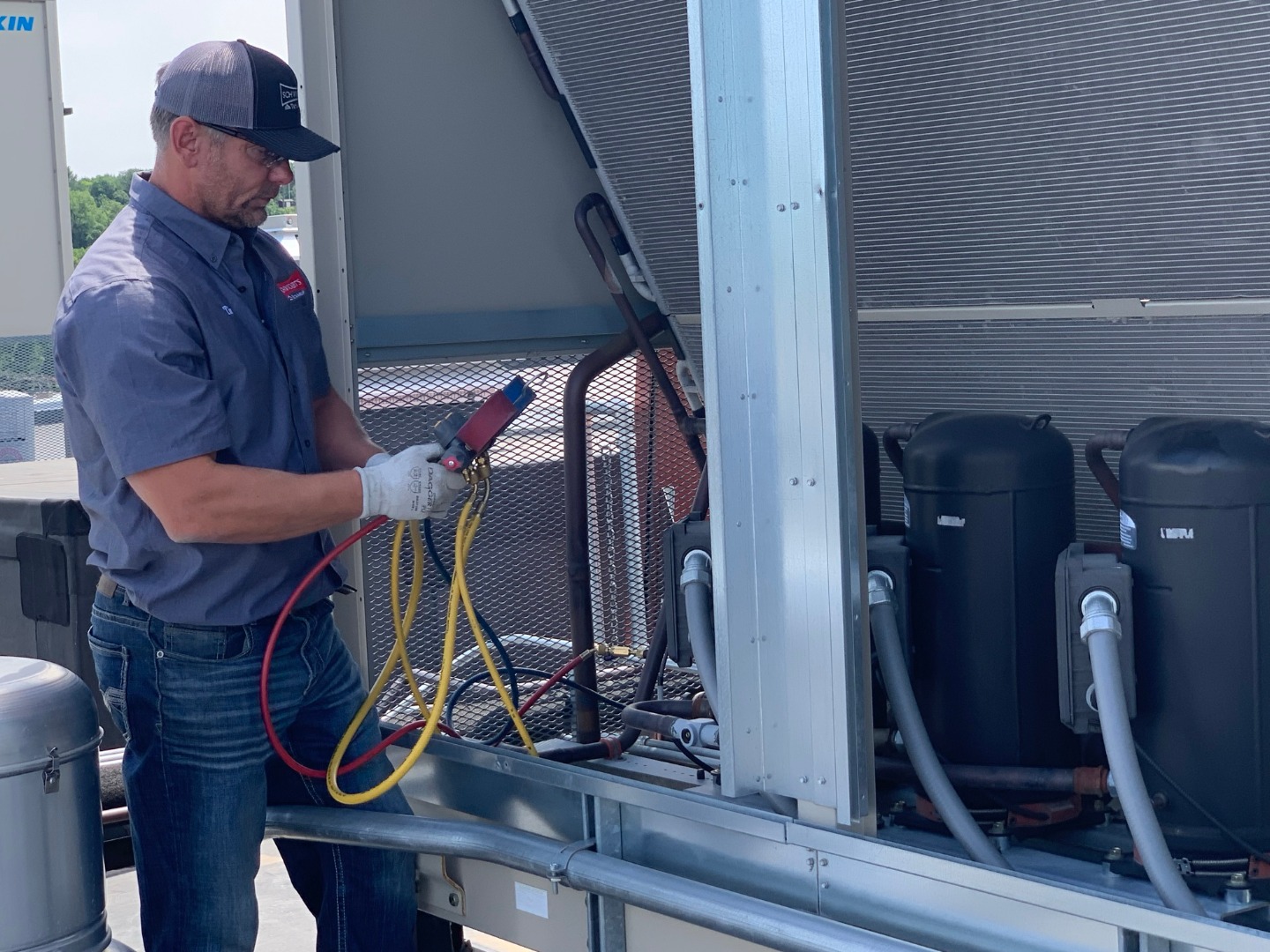
Schwickert’s HVAC-R Tracker changes that. This online platform tracks the full life of each unit in your building, starting at installation and continuing through every service call after that. Instead of reacting to whatever breaks next, building owners can see a clear, data-backed breakdown of when a repair makes sense and when the numbers point toward planning for replacement instead.
That kind of visibility is difficult to get anywhere else. Most commercial HVAC providers can tell you what’s wrong with a unit today. The HVAC-R Tracker helps you see where that unit is headed, which turns a stressful, reactive decision into a planned one. Building owners managing multiple properties or several rooftop units on one building benefit the most, since the platform makes it possible to compare units side by side instead of evaluating each one in isolation. This kind of tool comes from decades of hands-on industry experience.
Why This Matters More in Mankato
Minnesota’s seasonal swings put real strain on rooftop units. Mankato commercial buildings deal with brutal summer heat and equally demanding winters, and that constant temperature swing accelerates wear on HVAC systems faster than in milder climates. A unit that might last longer in a more temperate region often reaches the end of its useful life sooner here, which makes proactive tracking and planning even more valuable for local building owners.
Local building owners also deal with tighter windows for major HVAC work. Scheduling a replacement during a Minnesota winter is far more disruptive than planning ahead during a milder stretch of the year. Knowing where a unit stands well before it fails gives building owners the flexibility to schedule replacement work on their own terms instead of during an emergency call in the middle of January.
While you’re evaluating your HVAC system, it’s also a good time to check on related equipment that affects indoor air quality. Many Mankato businesses pair HVAC service with duct and hood cleaning, since both systems work together to keep air moving cleanly through a building.
Schedule Your Commercial HVAC Service
If your rooftop unit is showing its age or you want a clearer picture of where it stands, our team is ready to help. Visit our Mankato HVAC page to learn more, contact us online, or call 507-387-3101 to schedule a consultation.