Metal plays a role on nearly every commercial building, from the roof perimeter to the exterior walls to the small trim pieces that finish a façade. The right product depends on how the building is used, how much weather exposure it faces, and the appearance you want. This guide explains the most common architectural metal options and the types of buildings where each one performs best.
Schwickert’s fabricates, installs, and services architectural metal for commercial buildings across Minnesota. Our crews handle everything from a single trim piece to a full metal roof or panel wall.
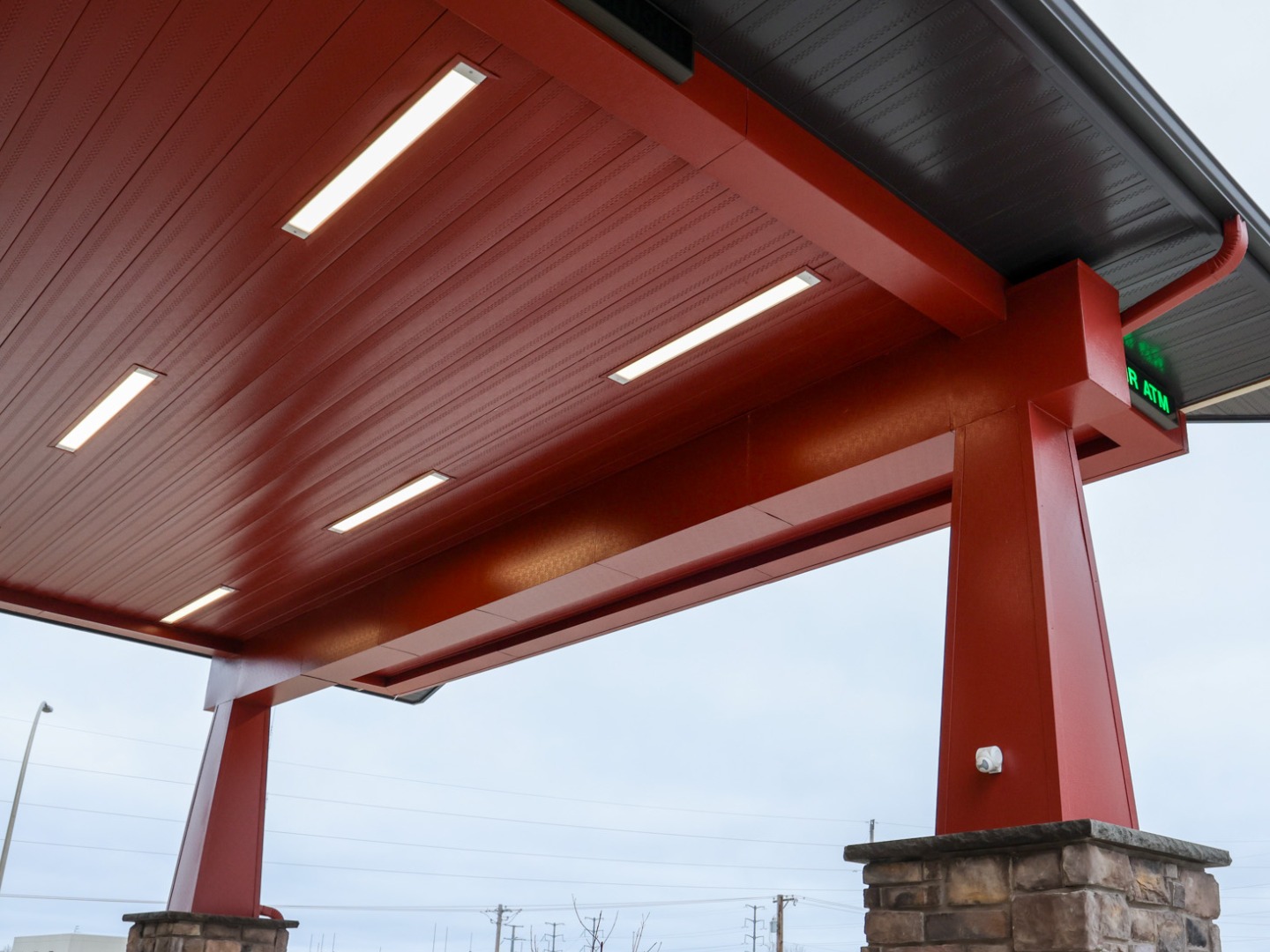
What Architectural Metals and Exteriors Include
Architectural metals are the components that protect and finish a building’s exterior. Some are highly visible, while others are small details that direct water away from the seams and openings where leaks tend to start.
Most commercial projects use a combination of these categories:
• Metal roofing for low-slope and steep-slope roofs
• Metal wall panels for building envelopes and accent areas
• Coping, flashing, and edge metal for roof perimeters and transitions
• Trim and drainage accessories that complete corners and openings
• Custom-fabricated pieces for details that standard profiles can’t address
Metal Roofing
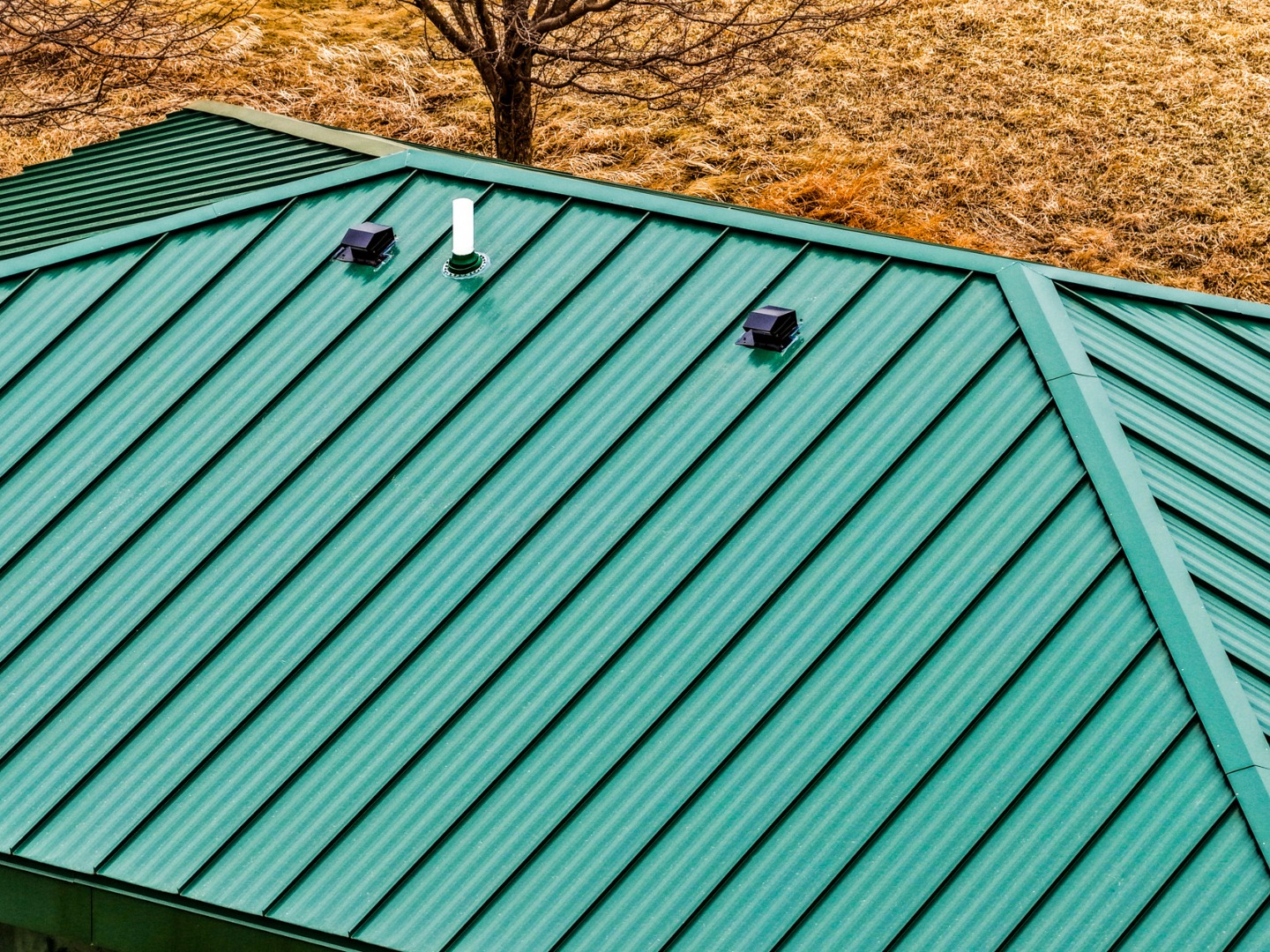
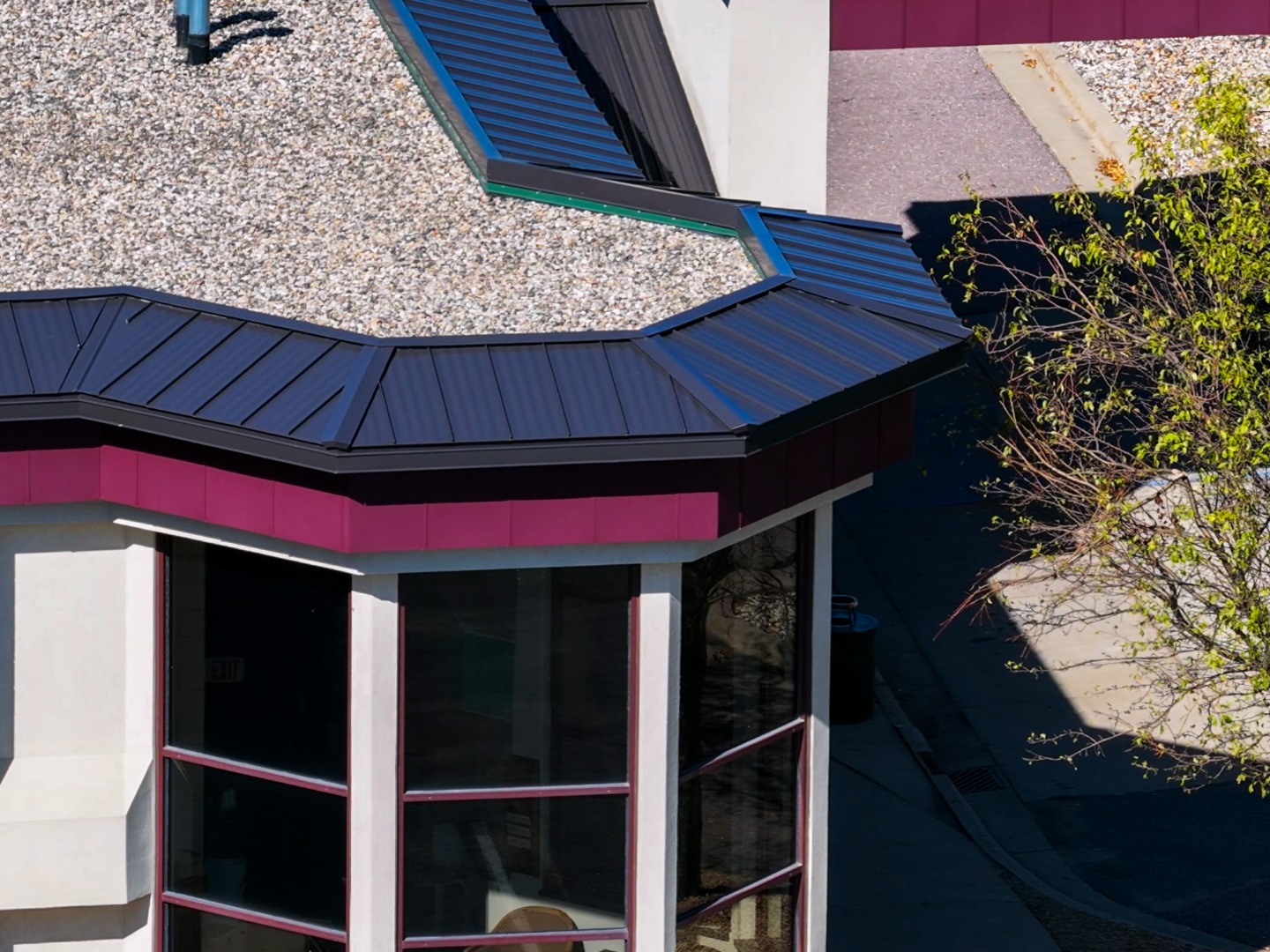
Metal roofing is a durable option for owners who want a long service life with relatively little maintenance. Its smooth surface sheds snow and rain efficiently, and it holds up well through the repeated freeze and thaw cycles that wear down other materials.
Metal roofing is a practical fit for warehouses and manufacturing plants where large roof areas need dependable protection. Retail and office buildings also choose metal when they want a clean profile that complements a modern exterior, and agricultural buildings benefit from its strength and simple upkeep.
A metal roof performs only as well as the details around it, so it should be planned together with the rest of the roof system. If you are comparing metal with other materials, our commercial roofing team can help you evaluate which system suits your building.
Metal Wall Panels
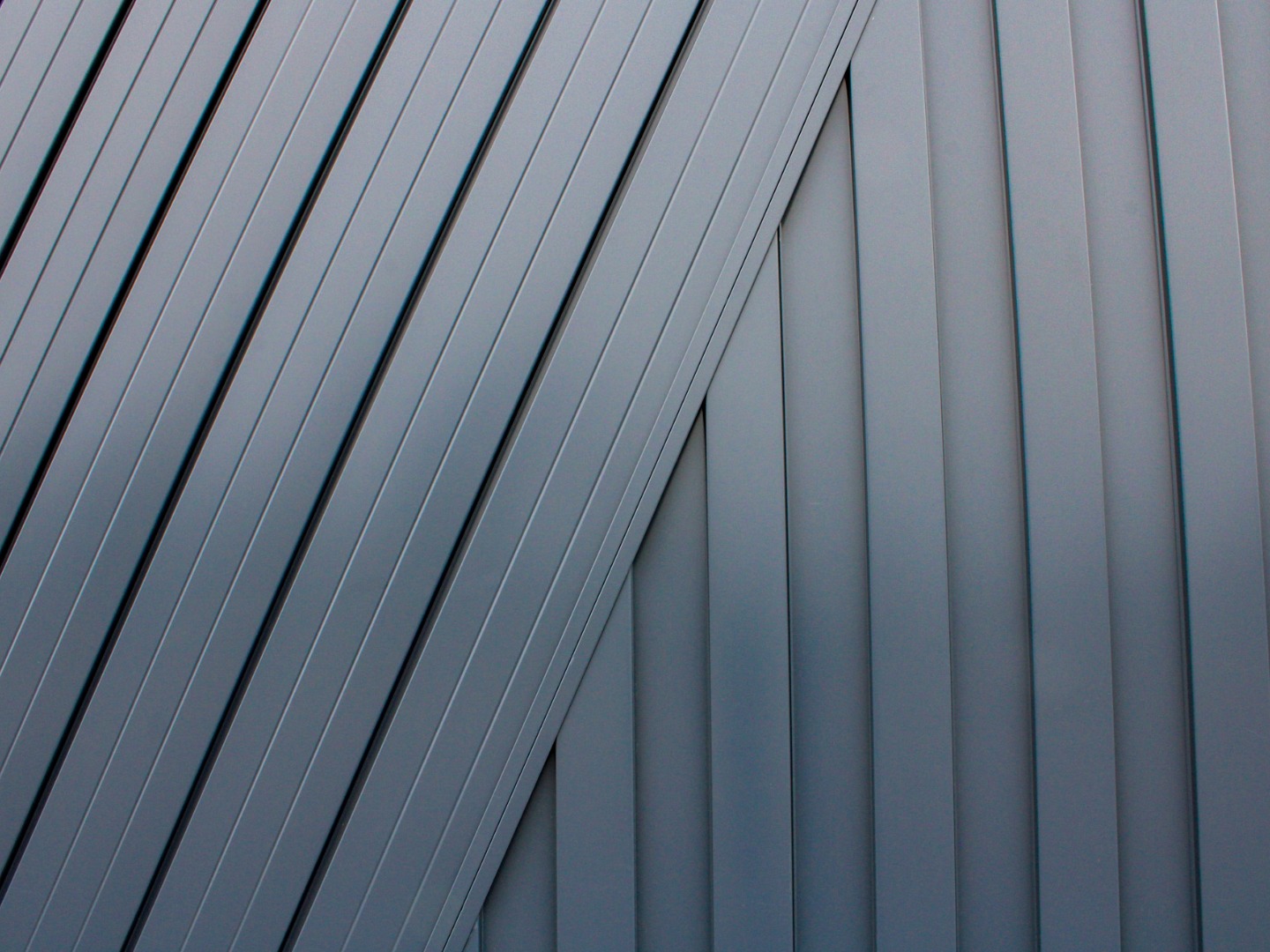
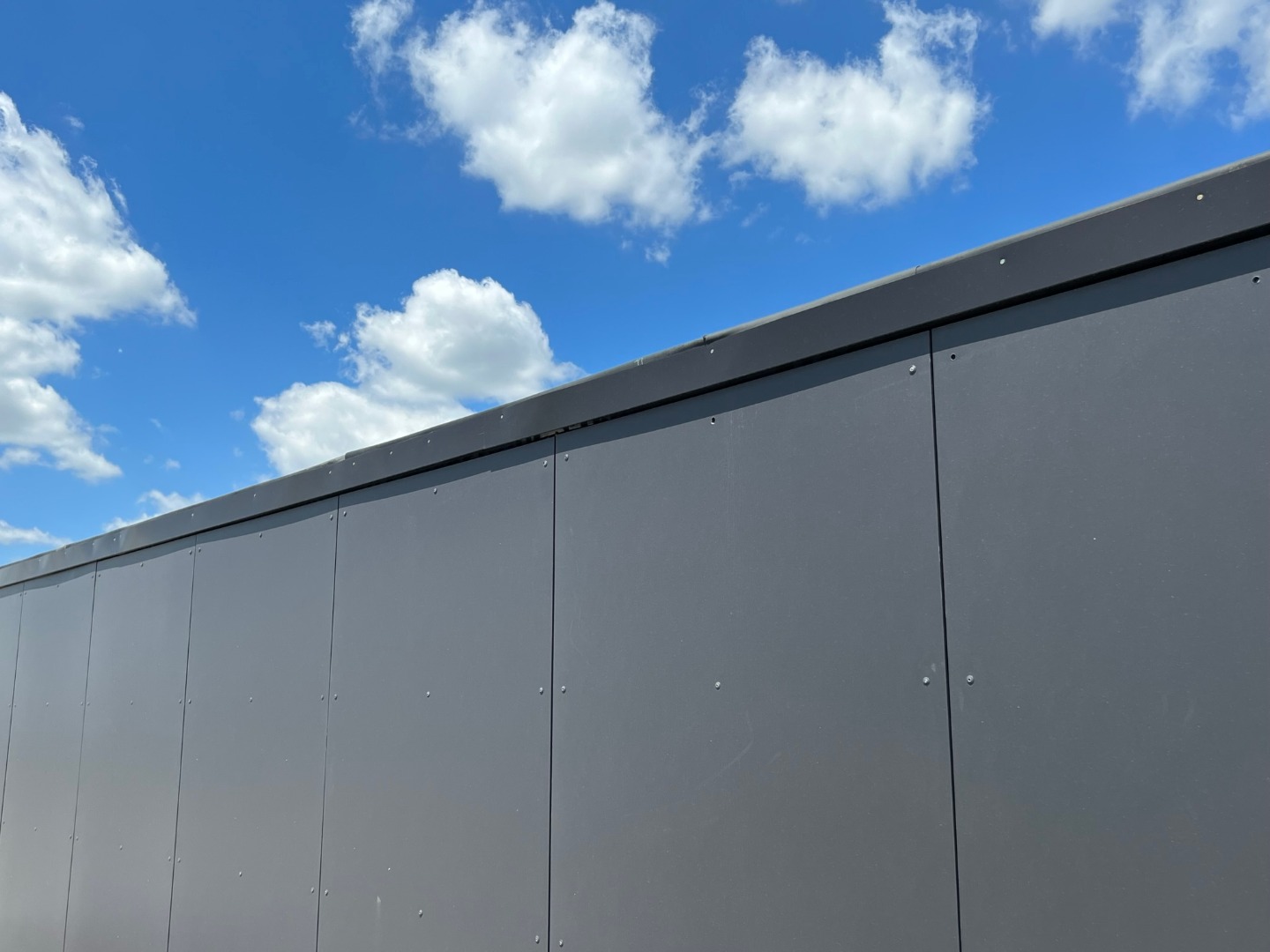
Metal wall panels give a building a finished exterior while adding a protective layer against wind and moisture. They appear frequently on new construction and on renovation projects that update an older façade.
Panels work especially well on multi-family and mixed-use buildings that need a durable, attractive exterior, and schools and medical offices use them for similar reasons. On retail and office properties, panels are a popular way to highlight an entrance or create an accent wall.
Most panel systems are installed over support components such as hat channels or Z furring channels. Selecting the panels and the support pieces at the same time helps the entire wall assembly fit together as intended.
Coping, Flashing, and Edge Metal
Flashing and edge metal are some of the most important components on a commercial building, even though they are rarely noticed. Coping caps protect the tops of parapet walls. Drip edge and gutter aprons guide water off the roof edge, while counterflashing and roof-to-wall flashing seal the joint where a roof meets a vertical surface.
These components matter most on flat and low-slope roofs with parapet walls. Brick and masonry buildings also need careful detailing, and brick ledge flashing helps keep water out of the wall cavity.
Rooftop equipment creates another common weak point. Whenever a unit is installed or replaced, the flashing around its curb needs attention as well. Coordinating that work with our commercial HVAC services team helps keep the roof watertight once the mechanical work is complete.
Every flat roofing project we complete includes metal edge work. Our crews fabricate and install the coping, flashing, and edge metal that finish the roof and keep water out.
Trim, Drainage, and Accessories
Trim pieces give an exterior its finished appearance. J-channels and corner trim create clean edges where panels end or change direction. Chimney covers protect masonry openings from water and debris.
Drainage components deserve careful planning on any building with a large roof area. Scuppers and downspouts move water off the roof and away from the foundation. When they are undersized or poorly placed, water can pool on the roof or run down exterior walls. Roof drainage frequently ties into interior drain lines and storm piping, so it helps to plan exterior metal alongside our commercial plumbing services when a project involves both.
Custom Fabrication
Some buildings have conditions that standard parts simply don’t fit. Older structures with unusual parapet shapes, curved walls, or one-off transitions often call for metal made to exact dimensions.
Custom fabrication is a good choice when:
• Existing pieces need to be matched during a repair
• A design calls for nonstandard lengths, angles, or profiles
• An architect or engineer has provided detailed drawings
• Standard trim would leave gaps or require extensive field modification
Schwickert’s fabricates custom pieces, and our crews can install them as part of your project. You can also place custom orders through our online metals store and upload drawings or specifications with your request.
Steep-Slope Roofing
Churches, schools, and senior living communities frequently use pitched roofs for their appearance and their ability to shed snow.
Metal remains essential on these projects wherever water concentrates, particularly in valleys and at wall transitions. W-valley flashing channels water where two roof planes meet, one of the most leak-prone spots on any pitched roof.
How to Choose the Right Metal Solution
A few practical questions can narrow down the best option for your project:
• What does the building need to protect? Roof edges and transitions usually need flashing and coping first.
• How visible is the area? Prominent walls and roofs may justify premium panels and finishes.
• What is the roof slope? Low-slope and steep-slope roofs rely on different systems and details.
• Is this a repair or new construction? Repairs often require matching existing profiles, which may mean custom work.
• What does the schedule allow? Stock components keep simple jobs moving, while custom pieces require more planning time.
Answering these questions early helps prevent costly changes later.
Plan Your Next Metal Project With Schwickert’s
Whether you need a few stock trim pieces or a complete metal roof or wall system, Schwickert’s can fabricate, install, and service it. See our Architectural Metal projects for examples of panel walls, metal roofs, and edge metal we’ve installed. You can also browse our online metals store or contact our team with questions about your building.