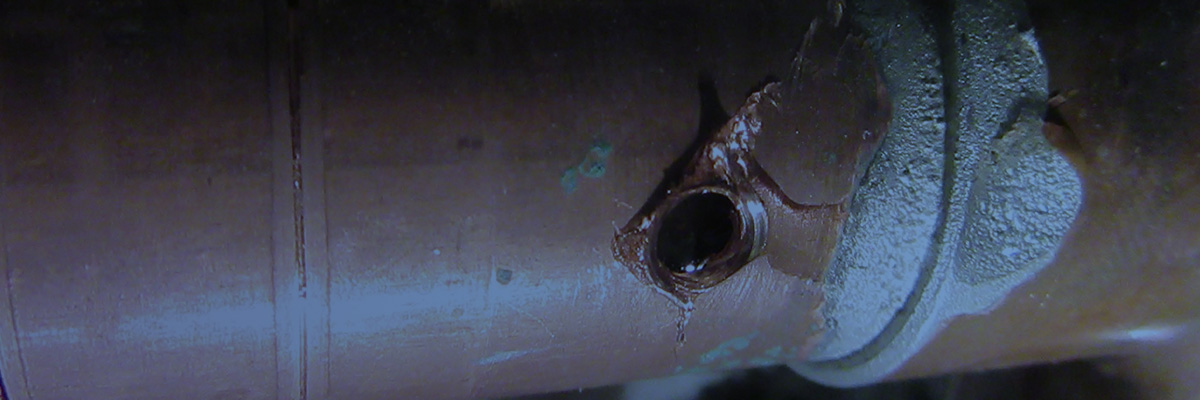
A commercial plumbing problem can affect building operations within minutes. Water can quickly reach occupied spaces, equipment, inventory, and other parts of the facility.
For facility managers, the first priority is controlling the immediate risk. The next is giving the responding plumbing team the information they need to locate the problem and determine the right course of action.
Here is what to do when a commercial plumbing emergency occurs, what to expect when help arrives, and when the issue may require more extensive work.
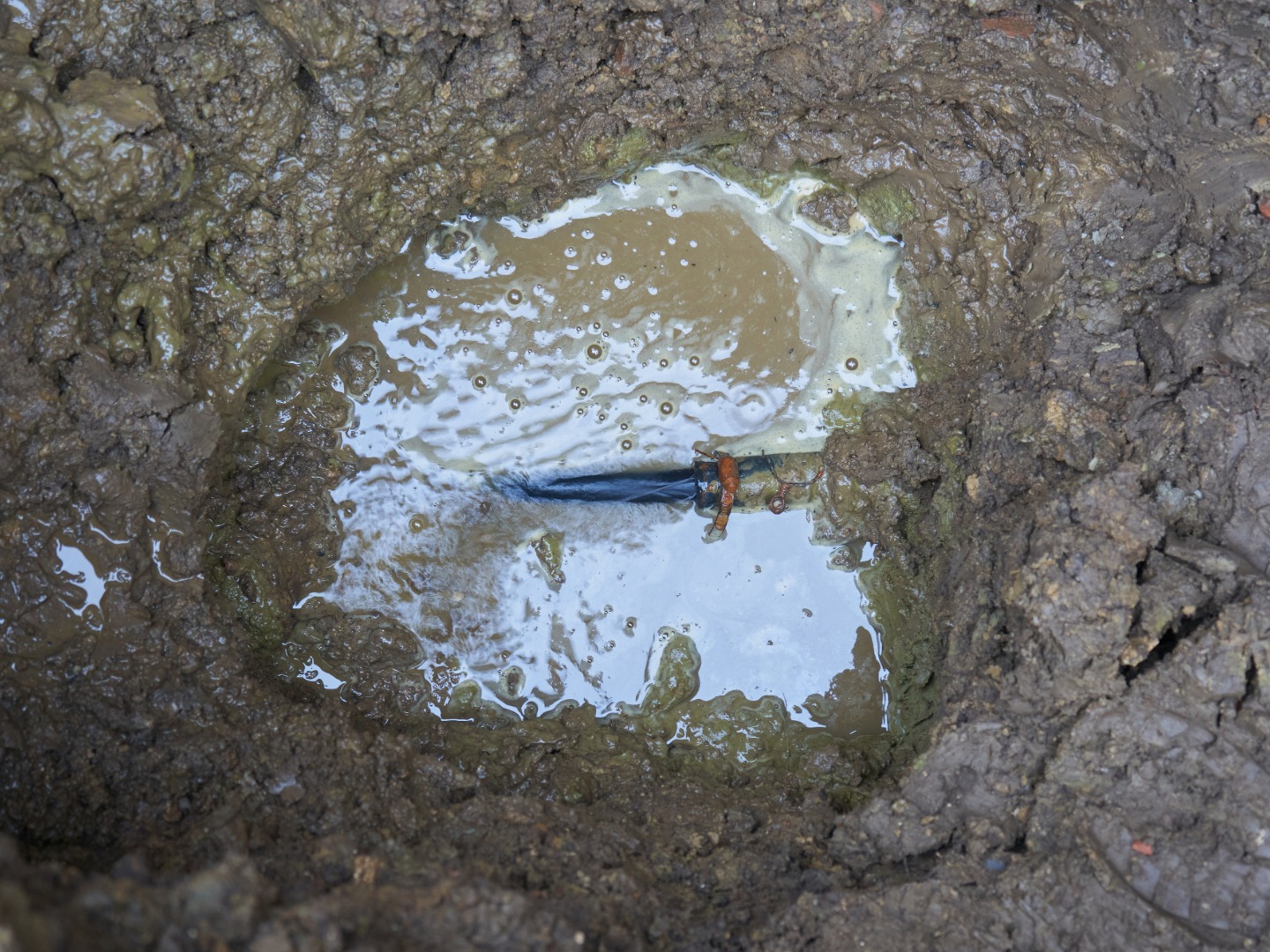
What Should You Do First During a Commercial Plumbing Emergency?
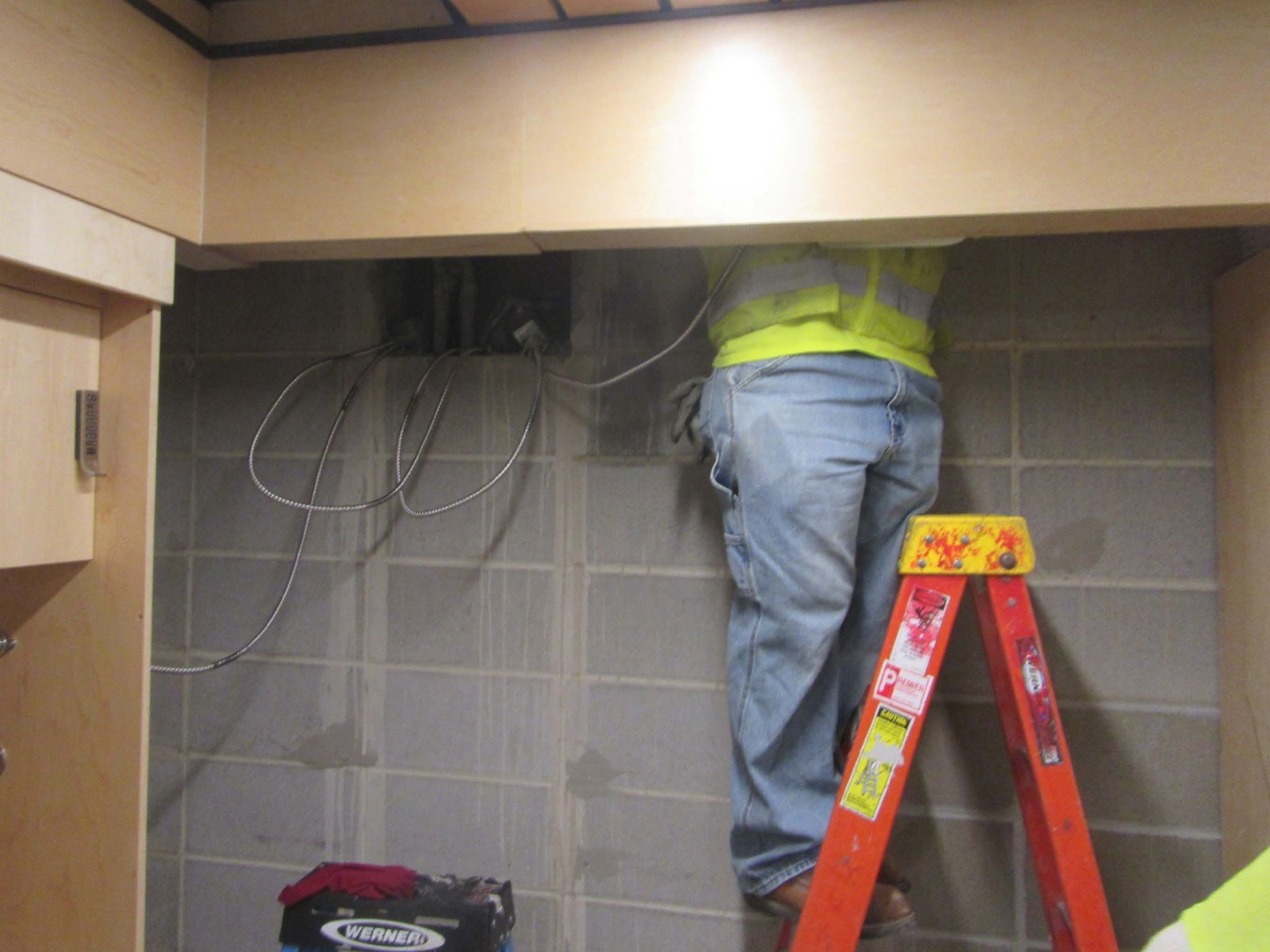
Start by determining whether the area is safe to enter. Water near electrical panels, outlets, machinery, or other electrical equipment can create a serious hazard. Keep employees, tenants, and visitors away until conditions are safe.
Once immediate safety concerns are addressed:
• Shut off the water. Use the closest fixture or zone valve if the problem can be isolated. If it cannot, the building’s main water supply may need to be shut off.
• Turn off power when necessary and safe. Electrical service to the affected area may need to be disconnected if water has reached outlets, wiring, or equipment.
• Call a commercial plumbing professional. Schwickert’s plumbing technicians are available 24/7 for emergency service response.
• Restrict access to the area. Use barriers or signage to keep people away from standing water and damaged spaces.
• Stop using affected plumbing fixtures. Continued use of sinks, toilets, or drains can make a sewer or drain backup worse.
If you smell gas or suspect a gas leak, evacuate the building and contact the appropriate utility provider or emergency services from a safe location.
Facility managers should also know where the main water shut-off and important zone valves are located before an emergency occurs. Clearly labeling these valves can make it easier for staff to respond quickly.
What Information Should You Gather Before the Plumber Arrives?
Providing the right information can help the plumbing team better understand the situation before arriving.
Be prepared to explain where the problem is located, when it started, and what you can currently see or hear. Let the team know whether you are dealing with a leak, burst pipe, drain backup, loss of water pressure, or another issue.
You should also mention whether water has reached electrical equipment or other parts of the building and which valves have already been shut off. Information about past plumbing problems, recent work, and building access can also be helpful.
If available, keep building plans, plumbing drawings, or valve maps accessible for the responding technician.
How Can You Limit Damage Before Help Arrives?
Once the water is controlled and conditions are safe, focus on preventing the damage from spreading.
Move electronics, documents, inventory, and other vulnerable items away from the problem area. Standing water can be contained with appropriate cleanup equipment when it is safe to do so. Tarps or protective coverings may also help shield nearby property from an overhead leak.
Take photographs or video before major cleanup begins in case documentation is needed later.
Avoid using chemical drain cleaners during a serious blockage. These products may create additional hazards and can complicate the work required to clear the line.
What Does a Commercial Plumber Check on Arrival?
The first priority is confirming that the space is safe and the active water flow is under control. From there, the technician works to determine where the failure began and how much of the system is involved.
The assessment may include checking shut-off valves, water pressure, nearby piping, fittings, and connections. Drain or sewer problems may require additional inspection to identify a blockage or damaged line.
Related equipment may also need to be evaluated depending on the emergency. This could include water heaters, pumps, or backflow prevention devices.
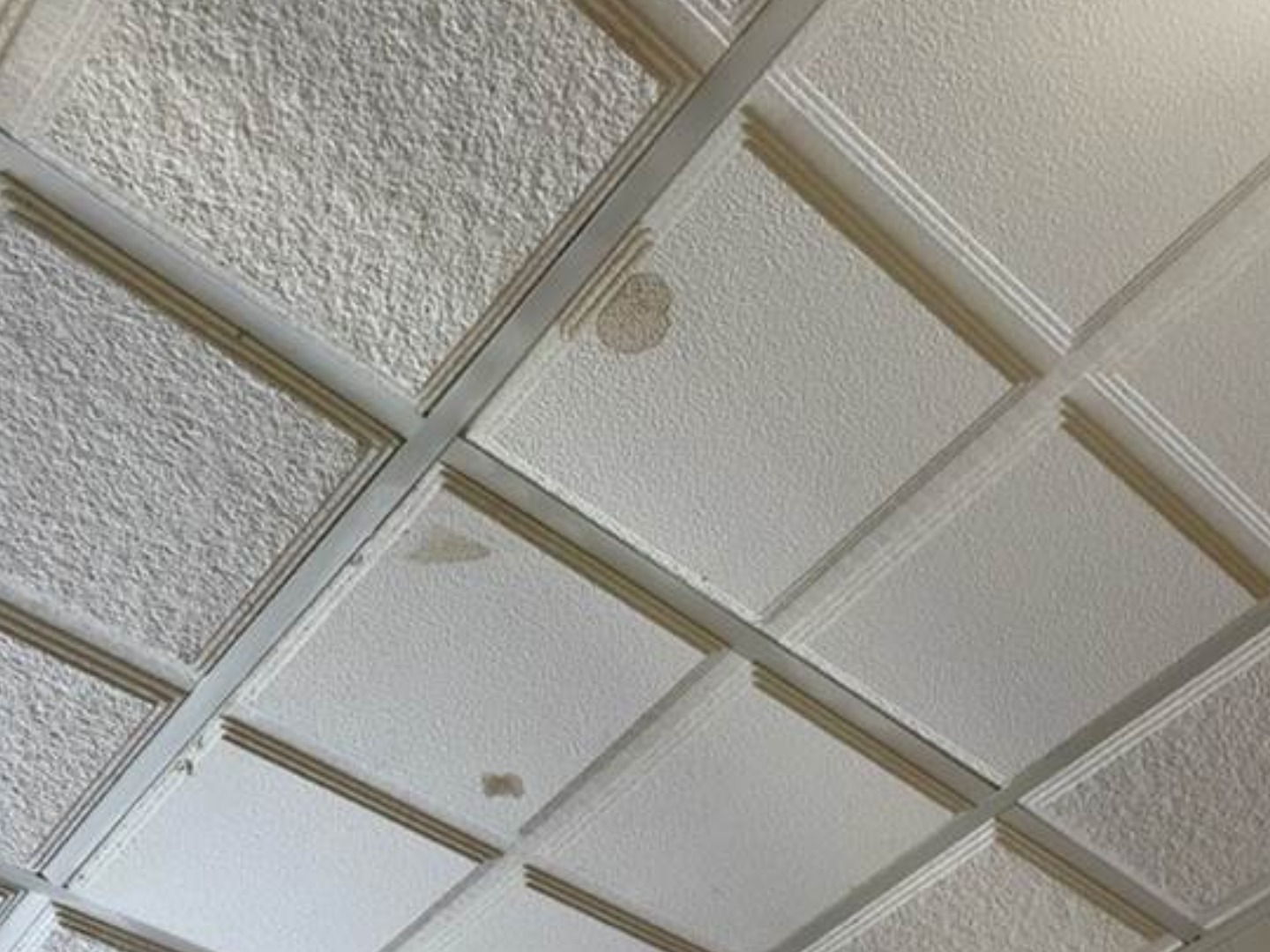
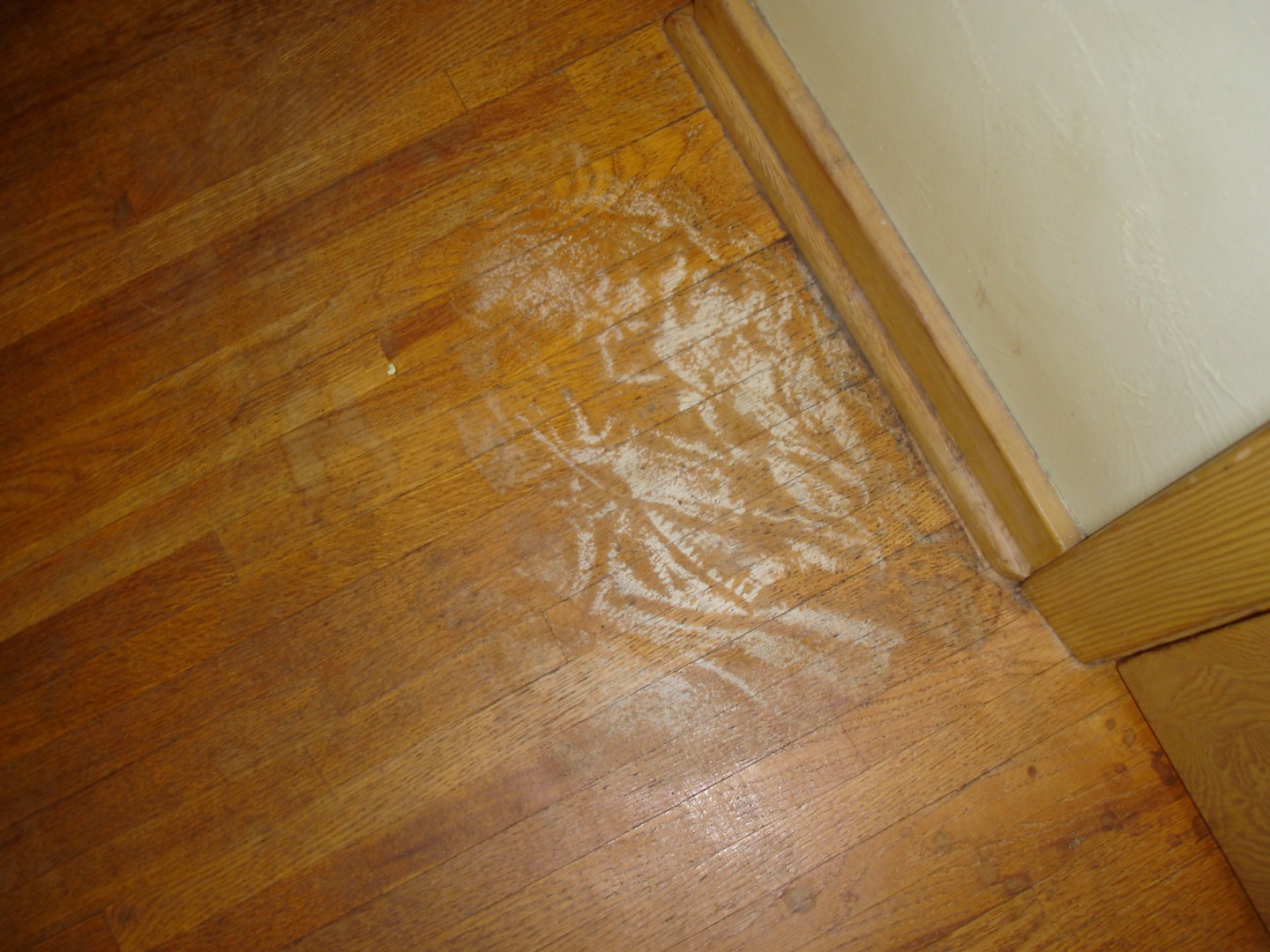
The technician may also check whether water has traveled beyond the visible problem into walls, ceilings, flooring, or nearby spaces. Once the cause is identified, the next step is determining the appropriate fix and whether additional work should be considered.
Learn more about Schwickert’s commercial plumbing services.
What Causes Commercial Plumbing Emergencies?
Commercial plumbing systems can fail for many reasons, especially in buildings with heavy daily use or aging infrastructure.
Frozen or Burst Pipes
Cold temperatures can place exposed or poorly insulated piping at greater risk of freezing. Pipes located near exterior walls, loading areas, mechanical spaces, and other colder parts of a facility may be especially vulnerable.
Drain and Sewer Backups
Grease, debris, buildup, foreign objects, or damage within a drain line can restrict flow. As the blockage becomes more severe, wastewater may back up through floor drains, sinks, or other fixtures.
Failed Valves and Fittings
Valves, seals, connections, and fittings experience wear over time. A small issue can quickly become a significant leak once a component fails under normal system pressure.
Aging or Corroded Piping
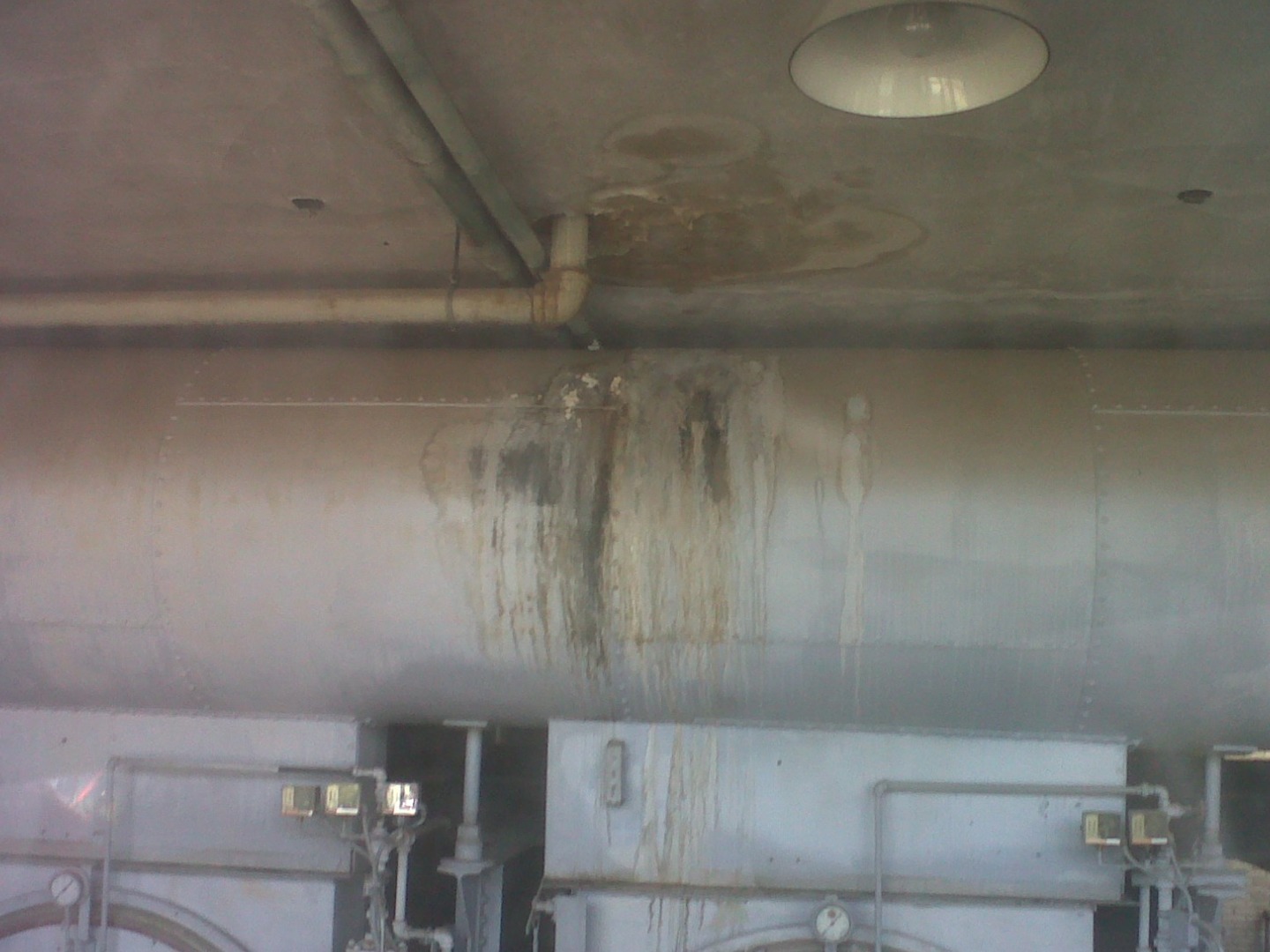
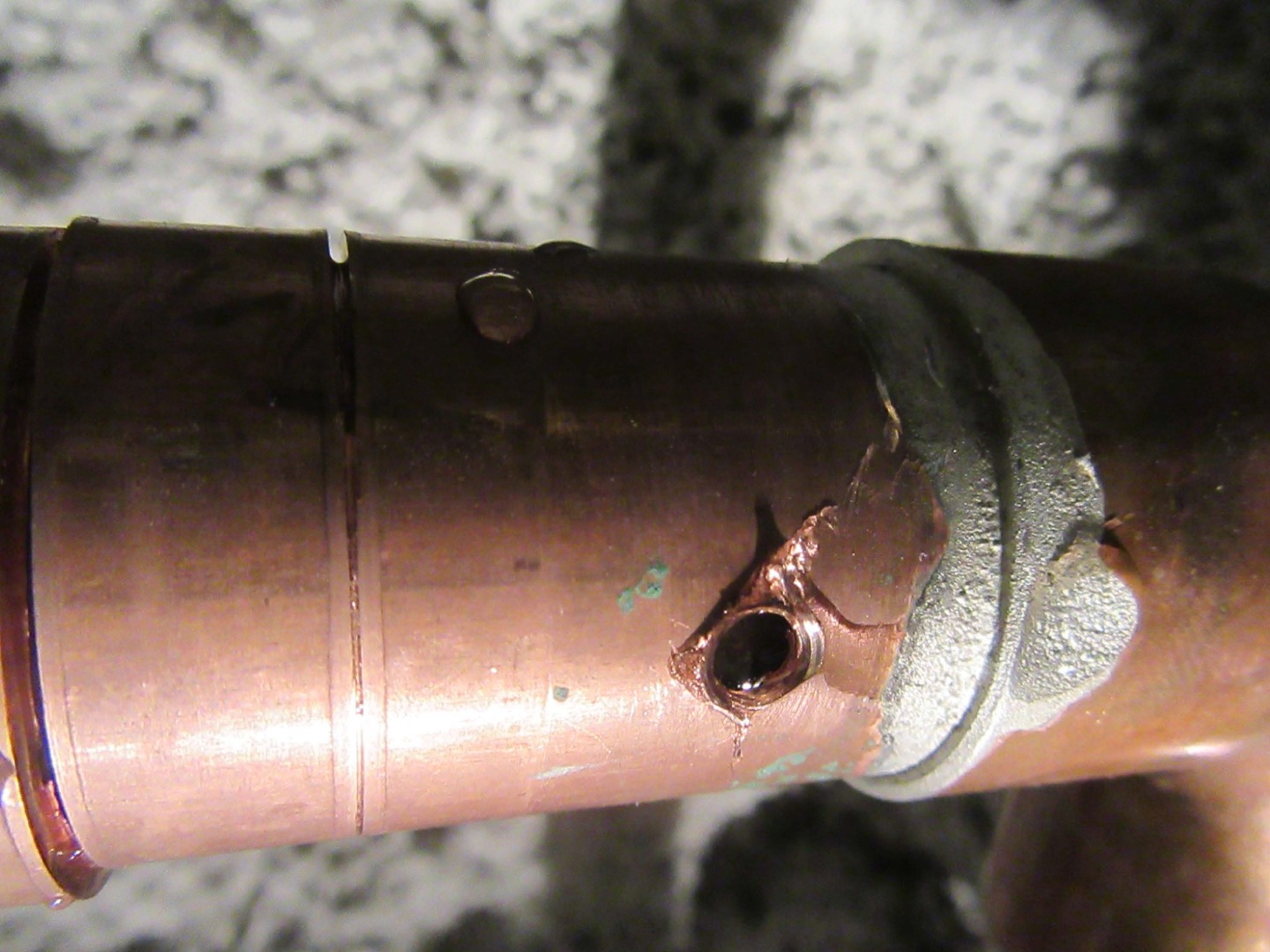
Older piping may develop corrosion, weakened sections, or repeated leaks. One burst or leaking section can sometimes indicate deterioration elsewhere in the system.
Water Heater Problems
A leaking connection, tank failure, or another water heater issue can release a significant amount of water into a mechanical room or nearby occupied space.
Backflow Prevention Issues
Backflow prevention devices play an important role in protecting a building’s potable water supply. A leak or equipment failure may require prompt attention to restore proper operation.
When Does an Emergency Become a Larger Repair?
Some emergencies can be resolved with a focused fix. Others reveal a problem that extends beyond the initial point of failure.
A larger repair may need to be considered when:
• The same area has failed repeatedly
• Corrosion or deterioration extends beyond the damaged section
• Multiple leaks are developing in the same system
• A drain or sewer line shows signs of significant damage
• Plumbing equipment is reaching the end of its useful service life
• Existing piping needs to be replaced as part of a permanent solution
Restoring service may be the immediate priority, but recurring failures should not be ignored. Evaluating the larger system can help facility managers determine whether additional repairs or improvements could reduce future disruptions.
Prepare Before the Next Plumbing Emergency
Facility managers can make future emergencies easier to manage by knowing where main and zone shut-off valves are located. Keep those locations clearly labeled and make sure the appropriate staff understand basic emergency procedures.
Routine plumbing inspections and maintenance can also help identify leaks, drainage problems, or worn components before they lead to a larger failure.
Need a Plumbing Company You Can Trust?
When a commercial plumbing problem cannot wait, Schwickert’s can help. With 100 years of combined service, our plumbing team is available 24/7 for emergency services to help facility managers respond to urgent building issues and providing you with peace of mind.
Our team can identify the source of the problem, address the immediate plumbing concern, and help determine whether additional repairs should be considered.
Schwickert’s also supports commercial facilities with commercial roofing and commercial HVAC services.
Learn more about our commercial plumbing services or contact Schwickert’s for 24/7 emergency service.