
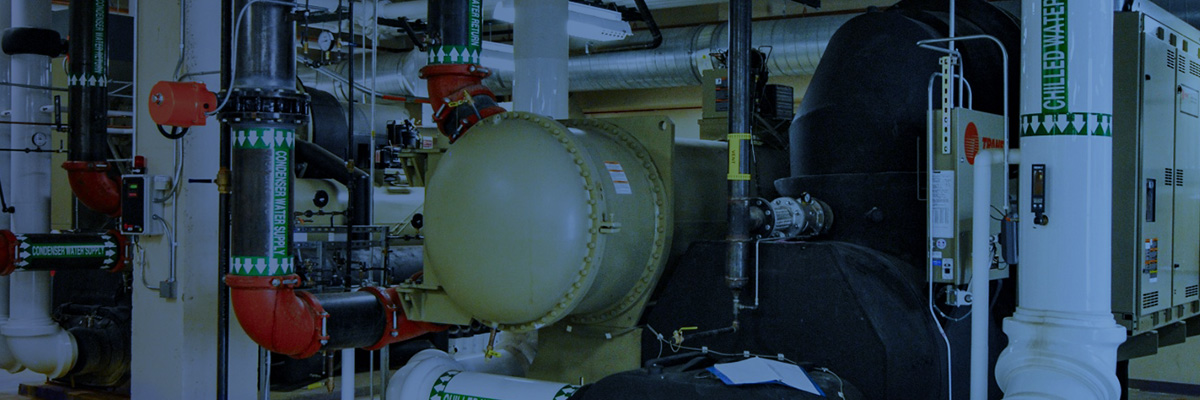
In a healthcare facility, a small plumbing leak rarely stays small. A drip above a ceiling tile or a weeping valve in a mechanical room can lead to water damage, infection control concerns and closed patient rooms. For hospitals, clinics and senior care facilities in Rochester and across southern Minnesota, routine commercial plumbing maintenance is one of the most practical ways to keep minor issues from turning into major expenses.
This guide covers why leaks matter more in healthcare settings, what makes them worse, what our technicians find in the field and how to decide between a quick repair and a larger fix.
Why Small Leaks Matter More in Healthcare Facilities
Most buildings can tolerate a minor leak for a few days. Healthcare facilities have far less room for error.
Water damage reaches clinical space. Moisture inside walls and above ceilings soaks into drywall, insulation and ceiling tiles. Once materials stay wet, mold becomes a real concern. In patient areas, that can mean containment barriers, closed rooms and relocated patients while repairs are made.
Water quality is a patient safety issue. Leaks often point to corrosion, pressure problems or failing components. Those same conditions can affect water temperature and flow. Stagnant or lukewarm water raises the risk of Legionella growth, which is why healthcare facilities are expected to maintain a water management program.
Downtime is expensive. A shutdown near a surgical suite, sterile processing area or dialysis room affects scheduling, staffing and revenue. Even a planned repair needs careful coordination around patient care.
What Impacts Leak Risk the Most
Several factors decide how quickly a healthcare plumbing system develops leaks and how serious they become.
System age and pipe condition. Piping corrodes from the inside over time. Discolored water, lower flow and pressure swings are early signs. Left alone, that corrosion leads to pinhole leaks inside walls.
Water chemistry. Hard water speeds up scale buildup, especially in water heaters, boilers and hot water lines. Scale makes equipment work harder and wears out valves and fittings faster.
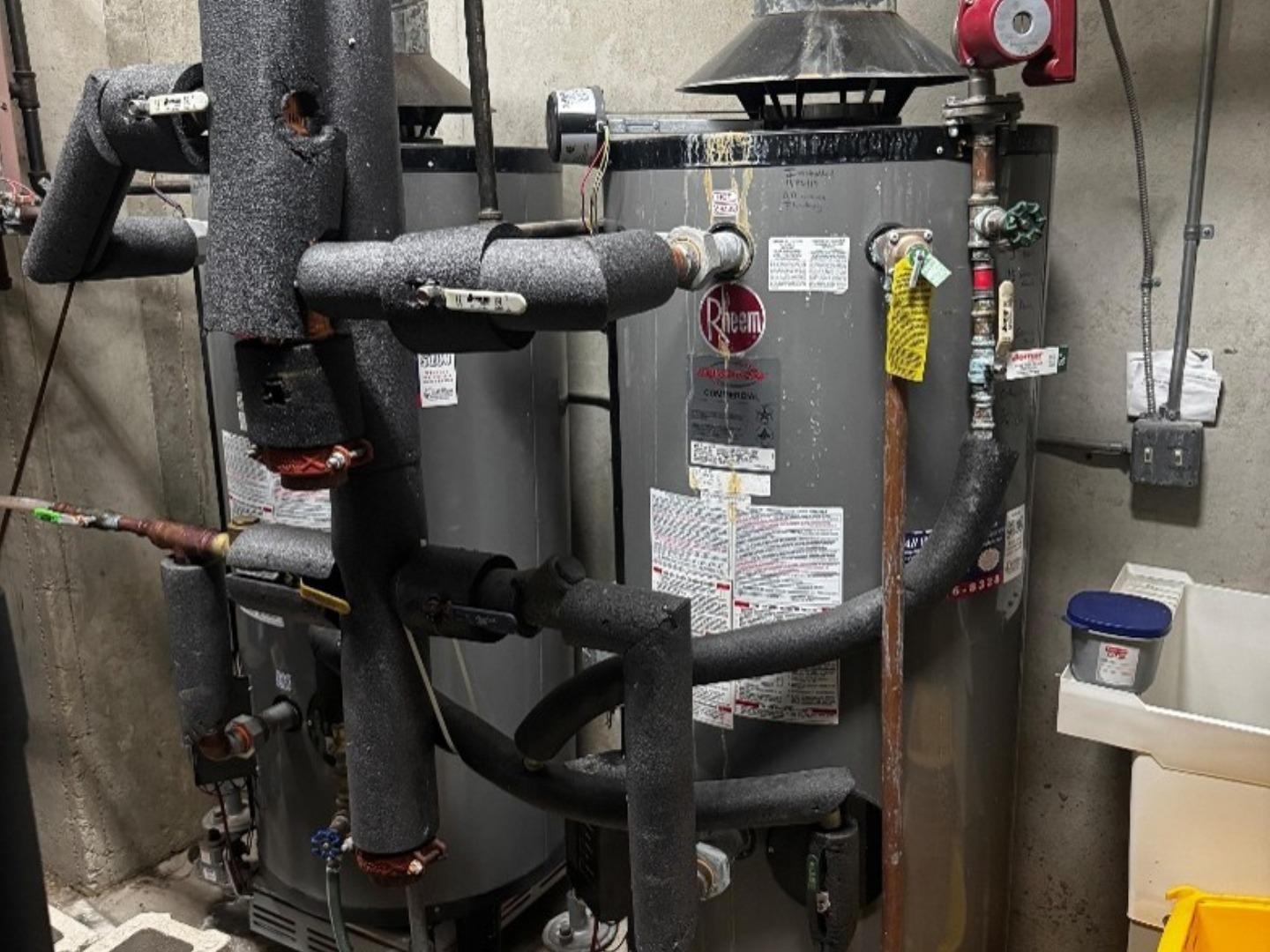
Hot water temperatures. Healthcare facilities often store domestic hot water at higher temperatures to control bacteria, then rely on thermostatic mixing valves to deliver safe temperatures at the tap. Constant heat and pressure cycling add stress to joints, valves and water heaters.
Heavy fixture use. Patient rooms, labs and kitchens run around the clock. Flush valves, faucet cartridges and shut-off valves wear out faster than they would in an office building.
Minnesota winters. Pipes near exterior walls, entrances and loading docks are vulnerable to freezing. A pipe can crack in January and not show a leak until it thaws weeks later.
What We See in the Field
Schwickert’s plumbing technicians are well trained. In healthcare buildings, a few patterns come up again and again.
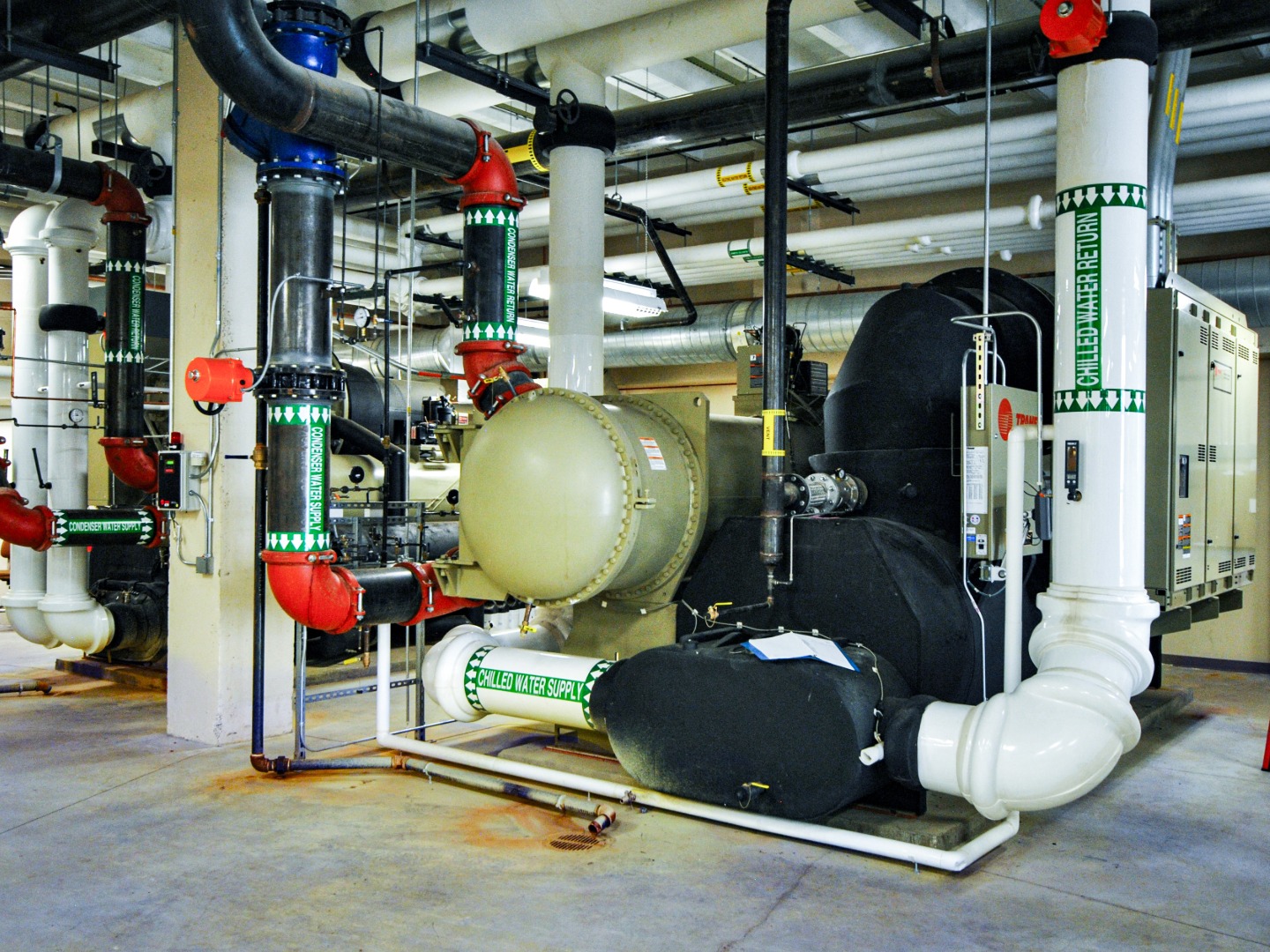
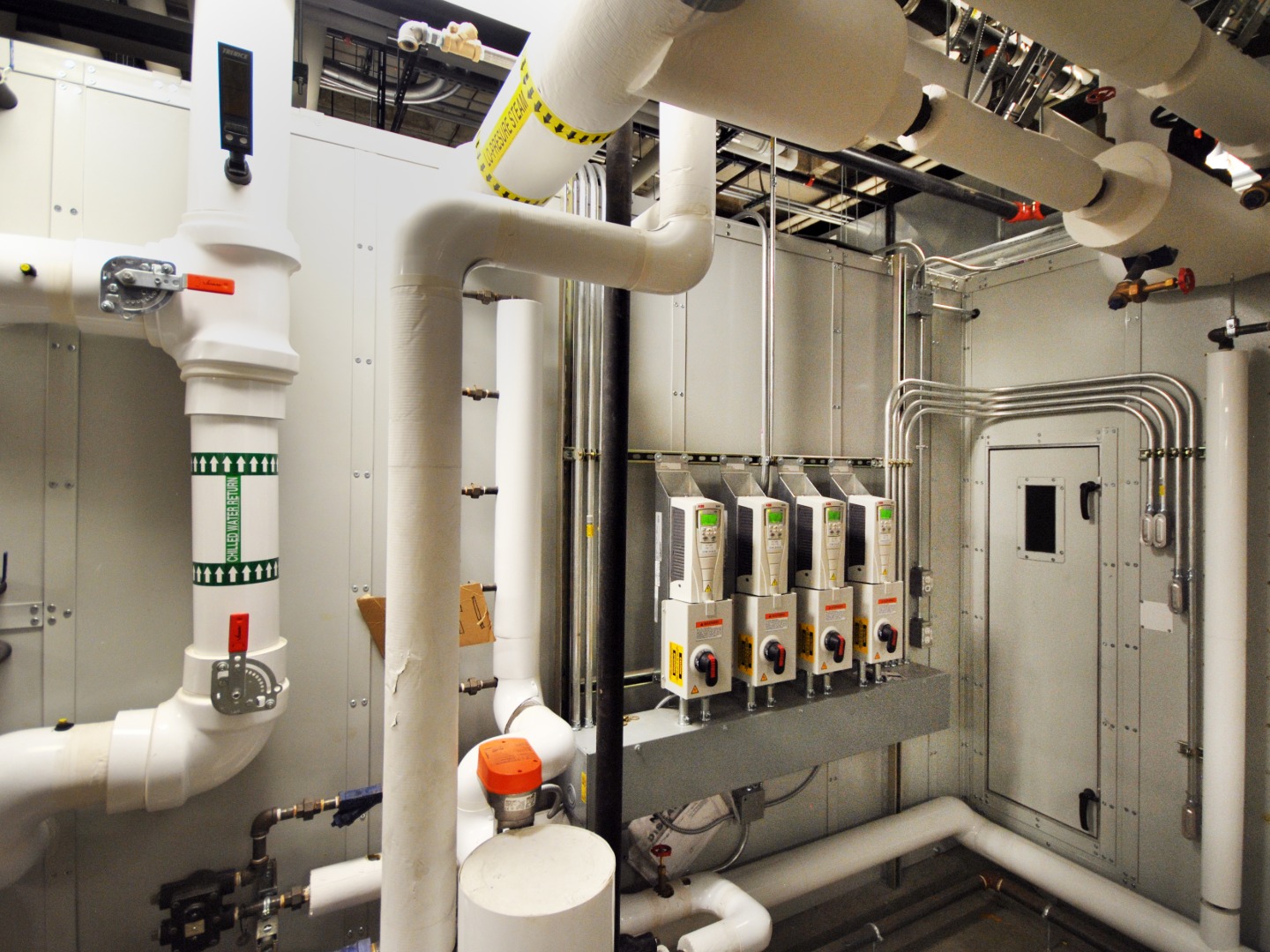
Leaks blamed on the wrong system. A stained ceiling tile could be a roof leak, condensation from HVAC piping or a failing plumbing line. Facilities sometimes call two or three contractors before anyone finds the source. Schwickert’s has commercial roofing, HVAC-R, plumbing and mechanical teams under one company. One call can rule out each possible source and get the right crew working on the real problem.
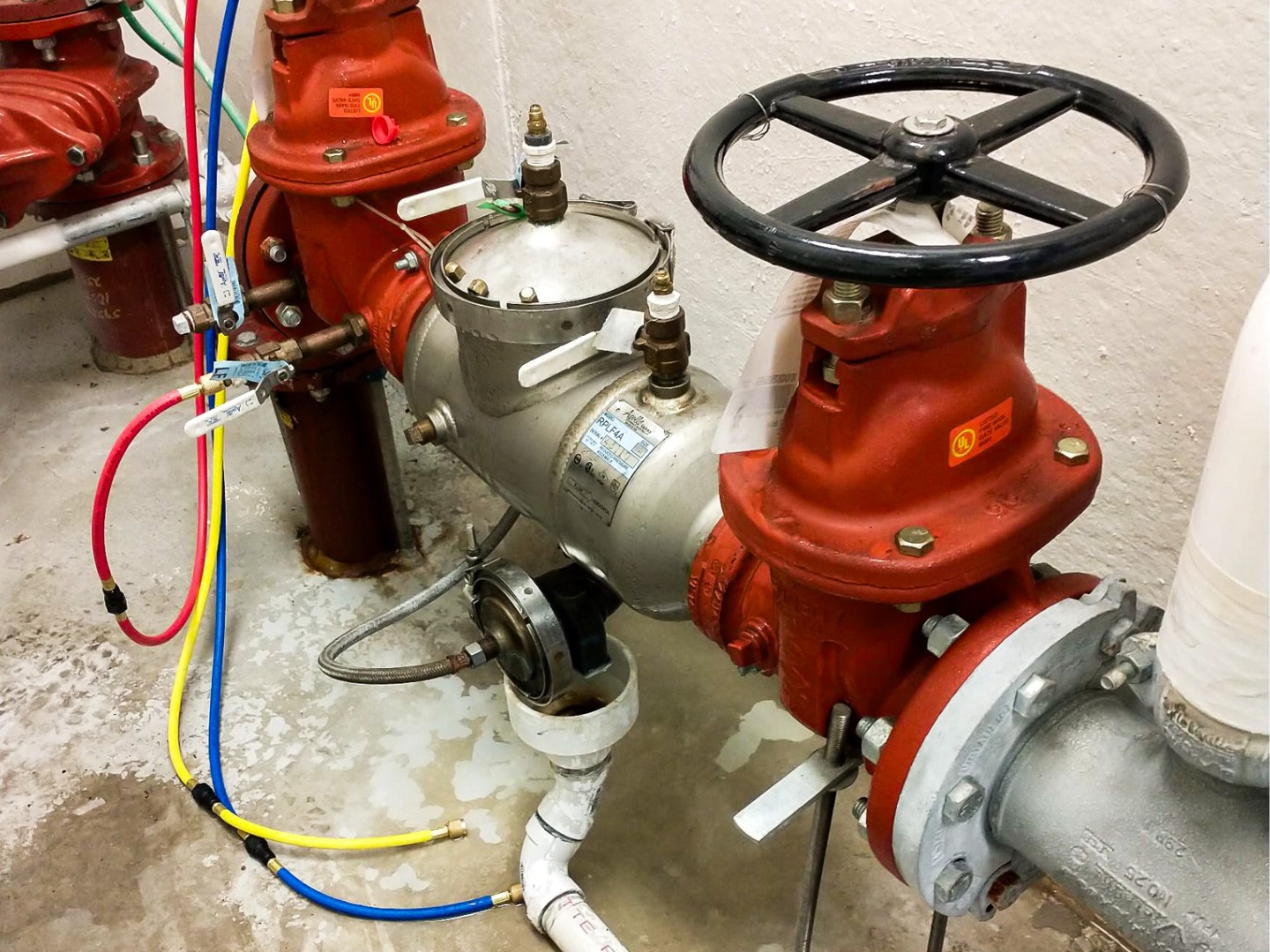
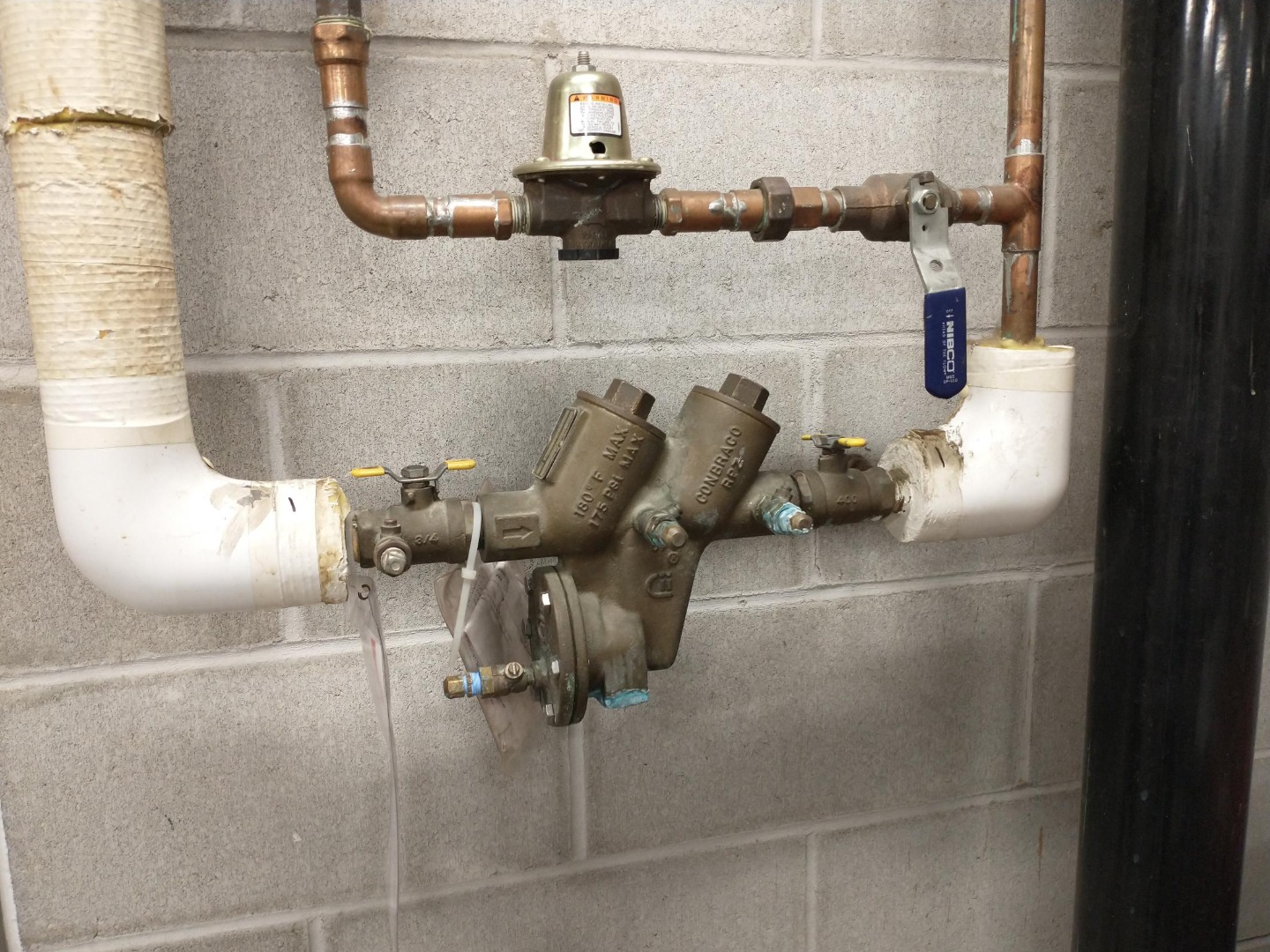
Backflow preventers that are overdue. RPZ backflow assemblies protect the potable water supply and require annual testing. We often find units with lapsed testing or worn internal parts discharging water from the relief valve. Schwickert’s provides RPZ annual inspections and certification as part of our mechanical services.
Hot water problems that start quietly. Complaints about lukewarm taps are often the first sign of a failing mixing valve or recirculation pump. By the time someone reports it, the issue may have been affecting water temperatures for months.
The bucket under the sink. Staff notice a small drip, set out a bucket and move on. That drip is often the first sign of a corroded fitting or a valve near the end of its life.
For more on how plumbing fits into the bigger picture, see our guide to common mechanical issues in healthcare facilities.
Common Mistakes That Turn Small Leaks Into Big Repairs
Waiting for a failure. Reactive repairs tend to happen at the worst possible time. They often require emergency labor, unplanned shutdowns and rushed decisions.
Patching the same line over and over. Several repairs on the same section of pipe within a year usually means the section needs replacement. Each patch buys time, though the underlying corrosion keeps spreading.
Not knowing where the shut-off valves are. During a leak, minutes matter. Unlabeled or seized valves let water run longer than it should. Our post on what to do during a commercial plumbing emergency covers this step in more detail.
Skipping documentation. Without records of repairs, testing dates and equipment age, it is hard to spot trends or justify a replacement budget.
Scheduling work without a patient care plan. Plumbing work in occupied healthcare spaces needs coordination on shutdown timing, dust control and moisture control. Leaving that to the last minute leads to delays.
Your Options: Repair, Replace or Maintain
Targeted repair. For an isolated leak on piping that is otherwise in good condition, a direct repair is usually the right call. It is fast and keeps disruption low.
Section replacement. When corrosion is showing up in several spots along the same run, replacing that section is often more cost-effective than repeated repairs.
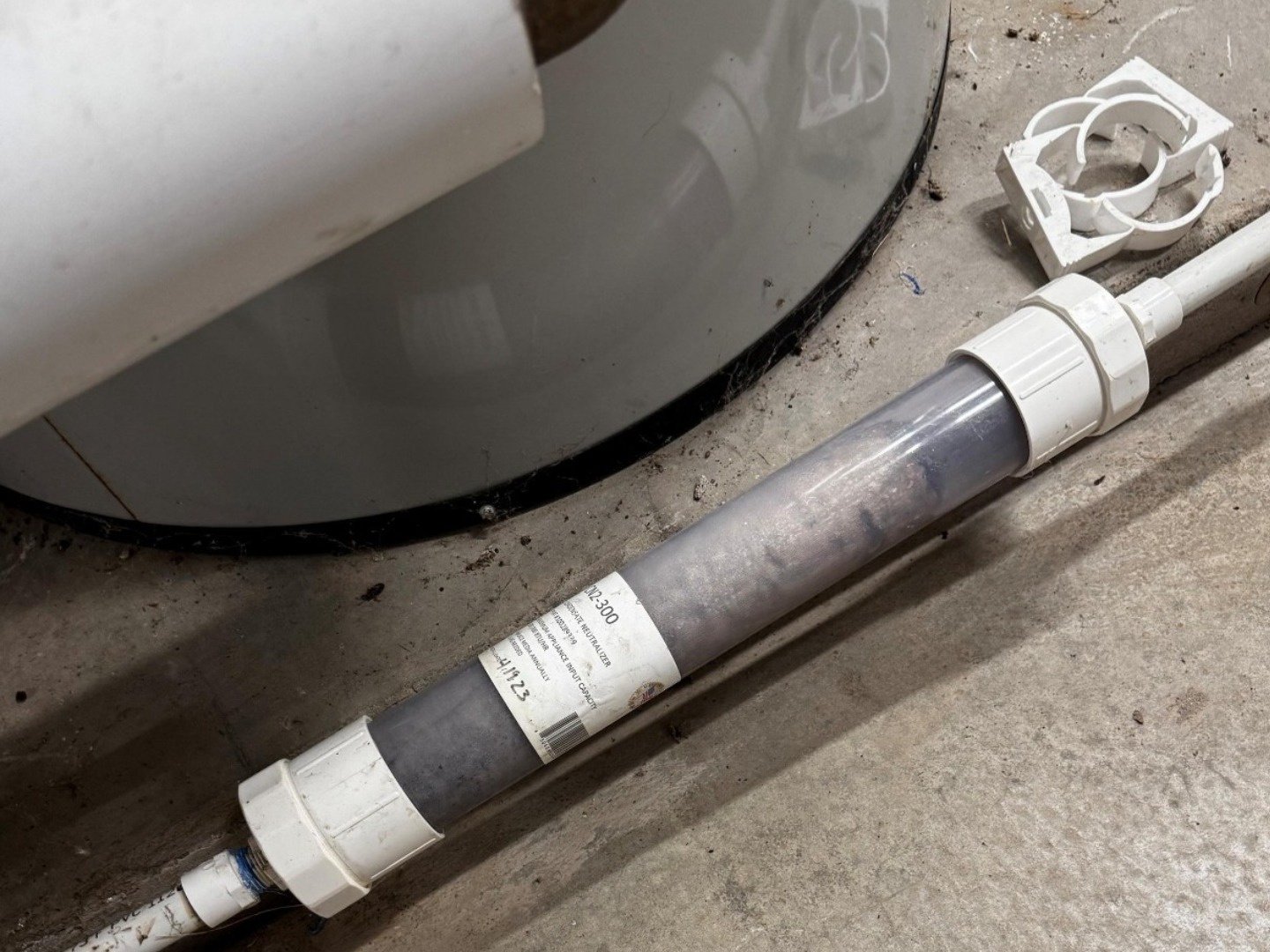
Planned equipment upgrades. Water heaters, boilers and mixing valves near the end of their service life can be replaced during a scheduled window. That avoids an emergency replacement in the middle of a busy week.
An ongoing maintenance plan. Schwickert’s offers plumbing maintenance plans that include routine inspections and small repairs before they become larger issues. For healthcare facilities, regular visits also help keep testing and records current.
How to Weigh the Real Cost of a Leak
The repair itself is often the smallest part of the bill. The larger costs come from what the water touches and how long it runs.
Damage restoration. Drywall, ceiling tiles, flooring and insulation may need replacement. Mold remediation adds more time and expense.
Lost use of space. Every closed patient room, exam room or procedure area affects revenue and scheduling.
Emergency labor. After-hours and weekend calls cost more than planned service.
Compliance exposure. A missed backflow test or a water temperature problem can create issues during an inspection or survey.
As a general rule, repair when the leak is isolated and the system is in good condition. Plan for replacement when you see repeated failures, spreading corrosion, multiple leaks or equipment near the end of its expected life. Every building is different, so an on-site inspection is the best way to compare the cost of a repair today with the risk of waiting.
What Should Healthcare Facility Managers Do Next?
A few steps can reduce leak risk right away:
- Walk mechanical rooms, janitor closets and under-sink areas for drips, corrosion and water stains.
- Locate and label main and zone shut-off valves, then confirm they turn.
- Check the last test date on every backflow preventer.
- Spot-check hot water temperatures at fixtures and mixing valves.
- Schedule a professional plumbing inspection to catch what a walkthrough misses.
Schedule a Commercial Plumbing Inspection
Schwickert’s has served Minnesota facilities since 1906 and is a founding member of Tecta America. Our licensed plumbers work alongside our HVAC-R, roofing and electrical teams, with offices in Mankato, Savage and Stewartville, just minutes from Rochester. Call 507-387-3101 for 24/7 service, or contact us to schedule a plumbing inspection for your healthcare facility.