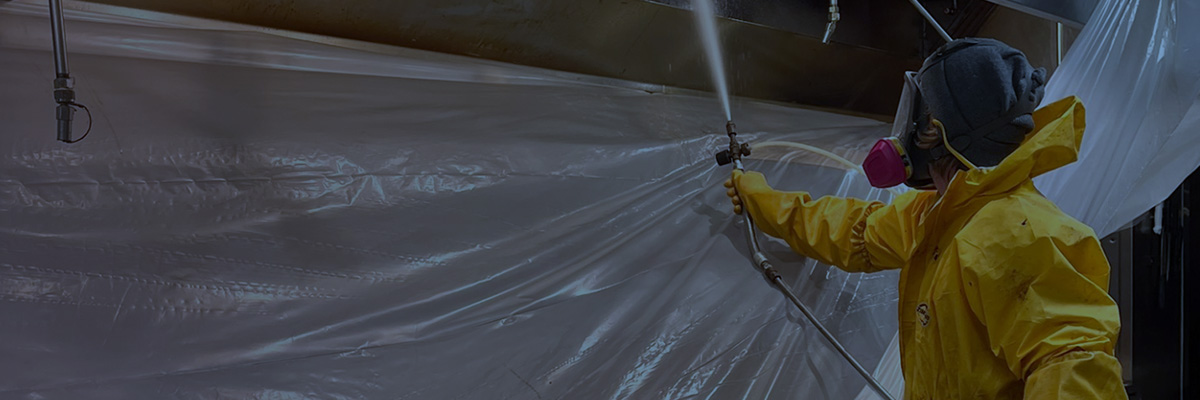
Commercial kitchen hood cleaning is essential for reducing grease-related fire risks and keeping commercial kitchens operating safely. Every day, cooking equipment produces grease, smoke, and vapor that can collect inside the kitchen’s exhaust system. Over time, this buildup can become a serious hazard, especially when cleaning is delayed or only covers the surfaces employees can easily reach.
For restaurants, hotels, schools, healthcare facilities, and other commercial kitchens, keeping up with hood cleaning involves more than maintaining a clean workspace. Grease can collect inside exhaust ducts and around fans, where it may go unnoticed during routine kitchen cleaning. If a cooking fire reaches these deposits, the grease can fuel the fire and allow it to spread through the exhaust system.
The challenge for facility managers is knowing how often cleaning is needed, which parts of the system require attention, and how to confirm that service has been completed. A hood that looks clean from below does not necessarily mean the entire exhaust system is free of grease buildup.
Delaying service can increase safety risks, lead to more involved cleaning, and create uncertainty about whether maintenance requirements are being met. A consistent schedule helps facilities address grease accumulation before it becomes a larger problem.
Schwickert’s provides professional hood and exhaust cleaning services to help commercial facilities manage this responsibility. This article explains the risks of falling behind, the areas that can be overlooked, and the steps facility managers can take to keep their kitchen exhaust systems on schedule.
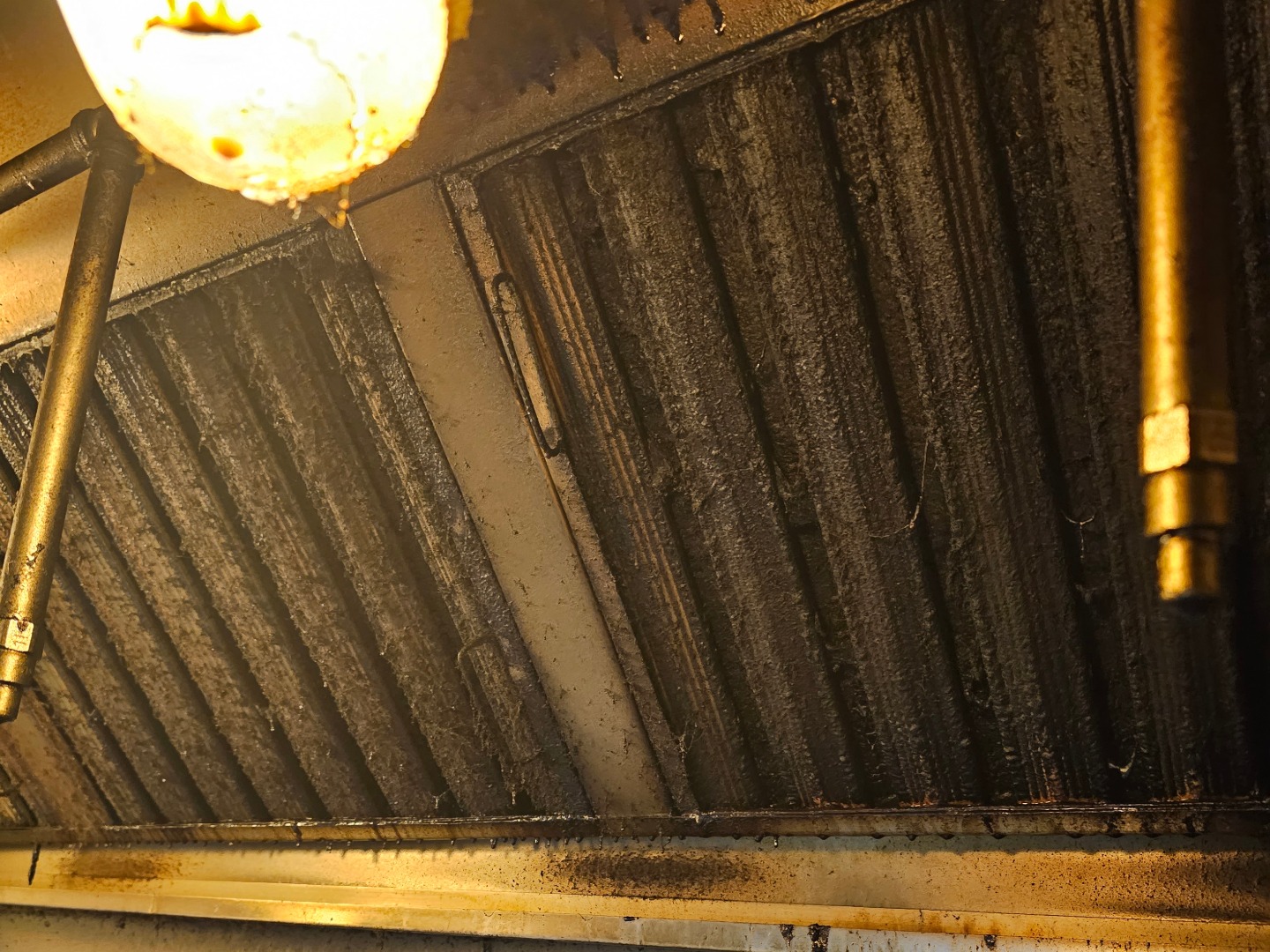
Why Grease Buildup Creates a Fire Risk
Commercial cooking produces grease that can enter the exhaust system. Filters capture some of this material, while exhaust fans move air through the ductwork and out of the building.
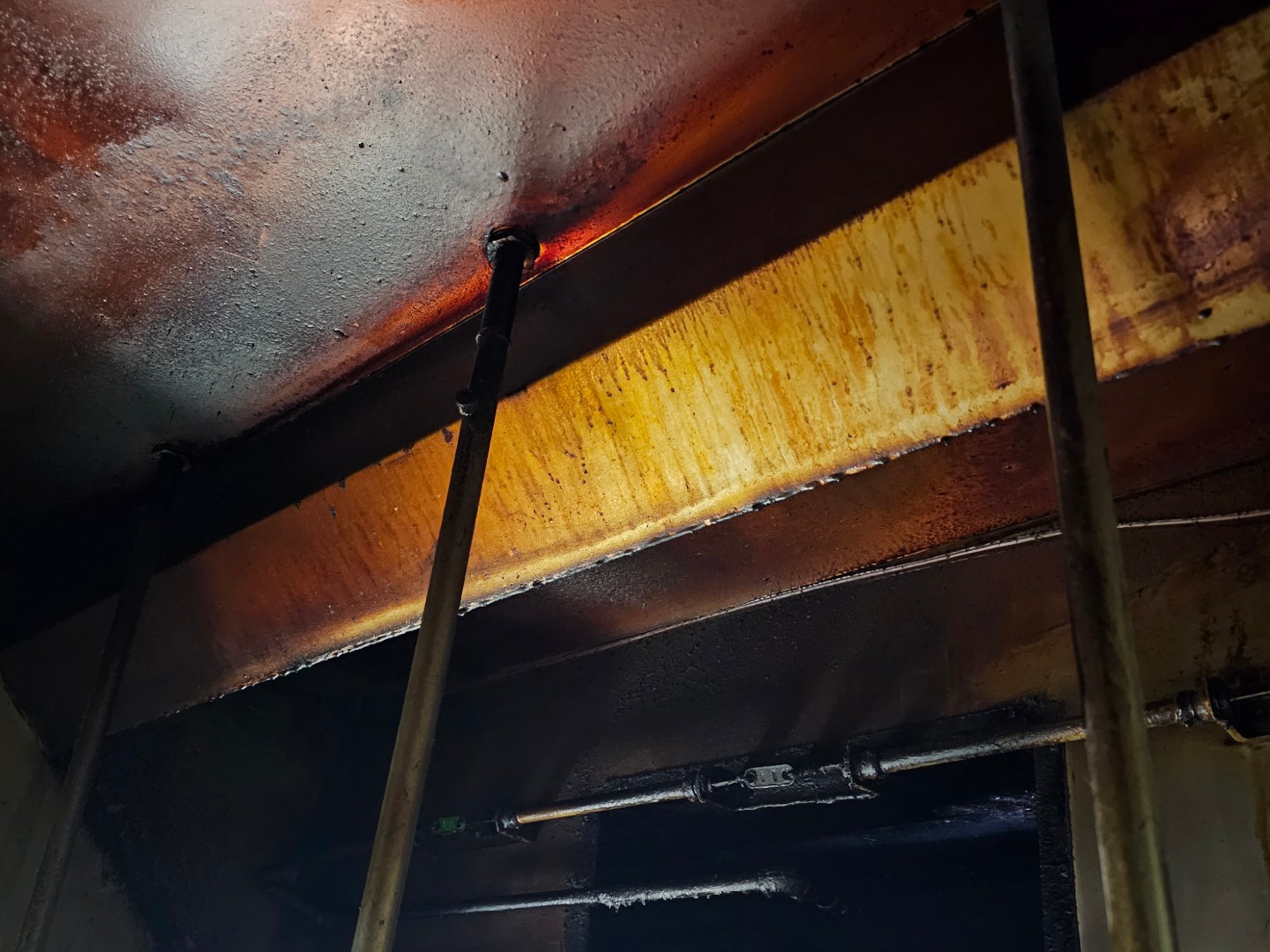
Over time, grease can collect on the hood, inside ducts, and around the exhaust fan. Because grease is combustible, these deposits can become fuel if a cooking fire reaches the exhaust system. A fire may then spread beyond the cooking surface and into the ductwork.
Cleaning visible hood surfaces and nearby equipment does not address hidden buildup. The appropriate parts of the exhaust system need to be cleaned based on the system’s design, condition, cooking activity, and applicable requirements.
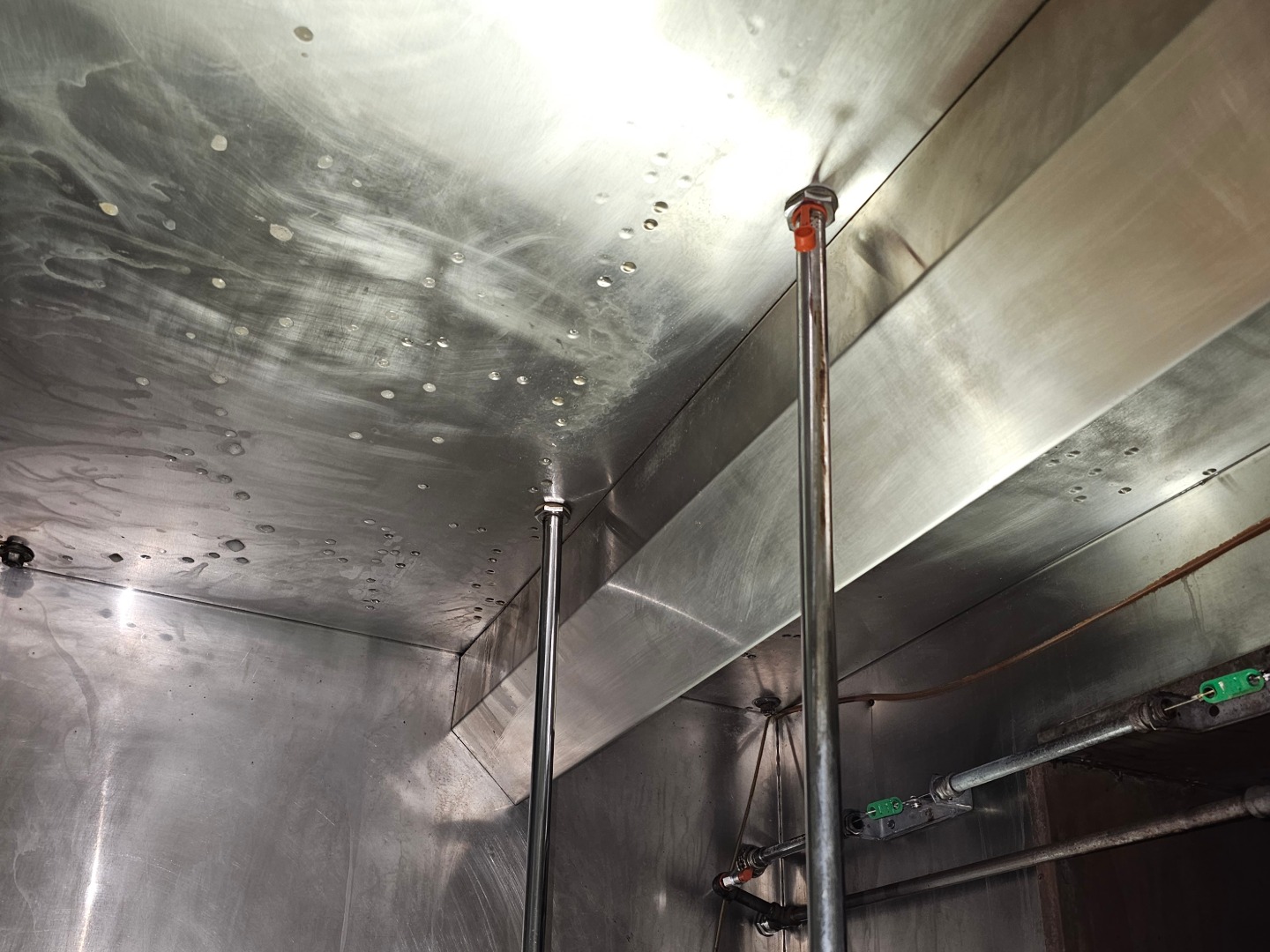
Regular professional cleaning helps remove accumulated grease before it becomes a more serious hazard. Schwickert’s hood and exhaust cleaning services help commercial facilities address grease buildup and maintain their exhaust systems.
What Impacts this the Most? Cooking Volume and Cleaning Frequency
Not every commercial kitchen needs the same cleaning schedule. A restaurant that operates around the clock and regularly uses fryers, grills, or woks can accumulate grease faster than a facility that prepares fewer meals.
NFPA 96 provides guidance for inspecting commercial cooking exhaust systems for grease buildup. General inspection intervals vary by cooking type and volume:
Monthly: Solid-fuel cooking operations
Quarterly: High-volume operations, including many 24-hour kitchens, charbroiling operations, and wok cooking
Semiannually: Moderate-volume cooking operations
Annually: Certain low-volume or limited-use cooking operations
These are general inspection intervals, not automatic cleaning schedules. Cleaning needs depend on grease buildup, the system’s condition, and applicable requirements. If an inspection identifies grease deposits that need to be removed, the system should be cleaned accordingly.
Facility managers should review their maintenance schedules when operating hours increase, menus change, or new cooking equipment is added. These changes can affect how quickly grease builds up and whether the current schedule is still appropriate. Schwickert’s can help facilities assess their hood and exhaust cleaning needs based on their kitchen’s operating conditions.
What We See in the Field: The Areas That Get Overlooked
Some of the most important areas of a commercial kitchen exhaust system are difficult to see during everyday operations. Employees may wipe down the hood and clean removable filters, but those tasks do not replace cleaning the full exhaust system.
Hidden buildup can be a concern in other building systems, too. Schwickert’s explains what facilities miss when they put off commercial air duct cleaning and why overlooked areas deserve attention during routine maintenance.
Depending on the system, grease may collect in:
– Exhaust ductwork above the cooking area.
– Duct elbows and other hard-to-access sections.
– Exhaust fan blades and housings.
– Grease collection areas and related components.
When maintenance focuses only on visible surfaces, these areas can be missed.
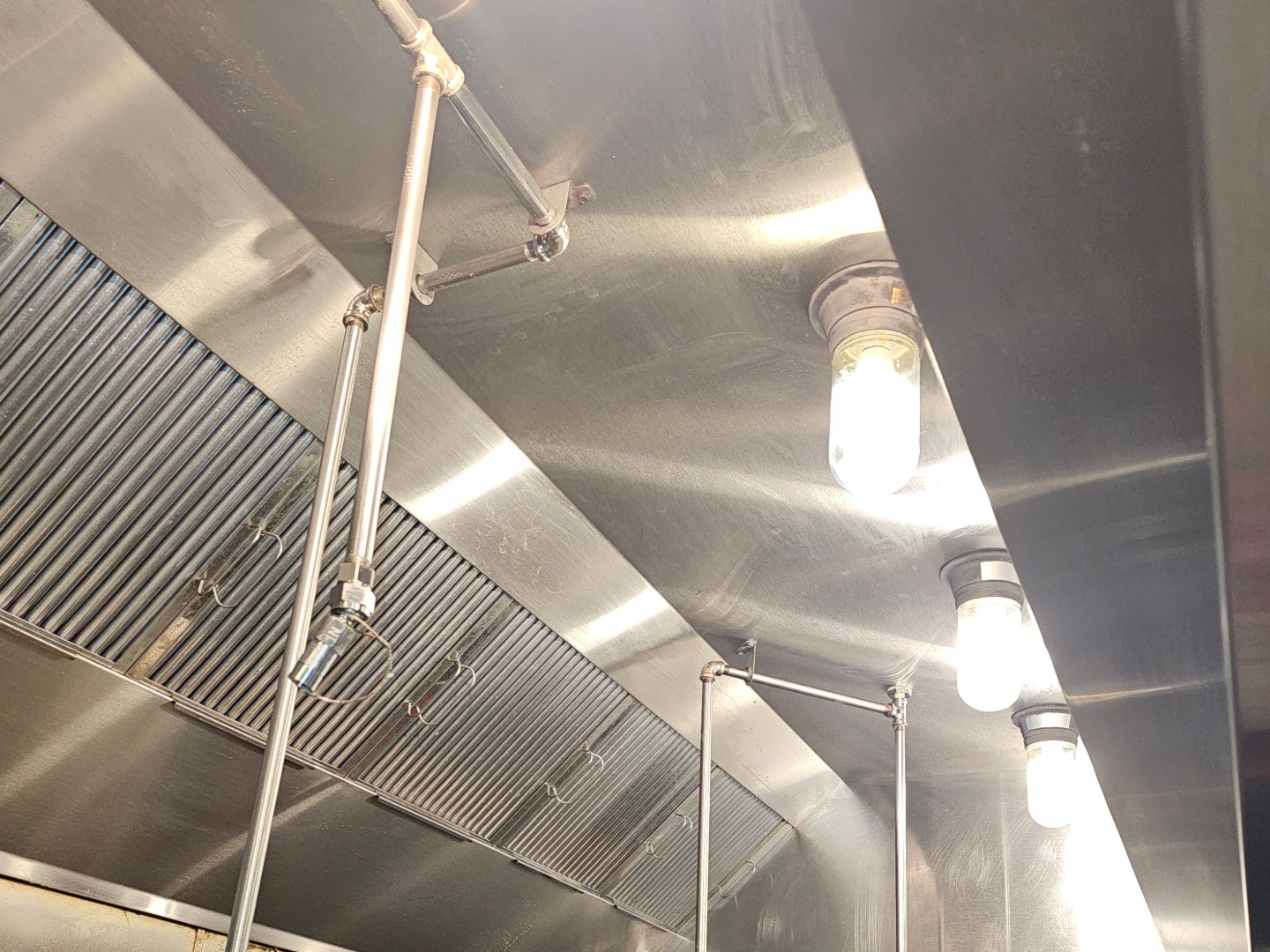
Schwickert’s provides hood and exhaust cleaning services to help commercial facilities address grease buildup throughout their exhaust systems. Its listed service deliverables include before-and-after photos, a cleaning record, and a compliance sticker.
These records help facility managers track completed work and plan future maintenance. When scheduling service, confirm which components are included and whether any areas need additional access or follow-up.
Common Mistakes That Increase the Risk
Even facilities with regular cleaning routines can leave gaps in their maintenance plans.
Cleaning only visible surfaces: Wiping down the hood and cleaning filters do not address grease throughout the exhaust system. Professional service should cover the appropriate components within the agreed scope.
Using the same schedule for every kitchen: A schedule that works for a low-volume kitchen may not suit a busy restaurant. Cleaning frequency should reflect cooking methods, operating hours, grease accumulation, and applicable requirements.
Waiting until grease is obvious: Not all buildup is easy to see. Waiting for visible deposits can allow grease to collect in areas that are rarely inspected.
Failing to keep service records: Without documentation, facility managers may have trouble confirming when the system was last cleaned or whether issues need follow-up. Organized records make recurring maintenance easier to manage.
Treating cleaning as a substitute for other fire safety measures: Exhaust cleaning removes combustible grease, while kitchen fire-suppression systems provide a separate layer of protection. Each requires appropriate maintenance.
What to Expect From Professional Hood and Exhaust Cleaning
Professional cleaning addresses grease in areas routine kitchen cleaning cannot reach. The exact process depends on the system’s layout, condition, access requirements, and agreed scope of service.
A typical service process includes:
- Reviewing the system: The service provider considers the exhaust layout, cooking operation, condition, and access needs.
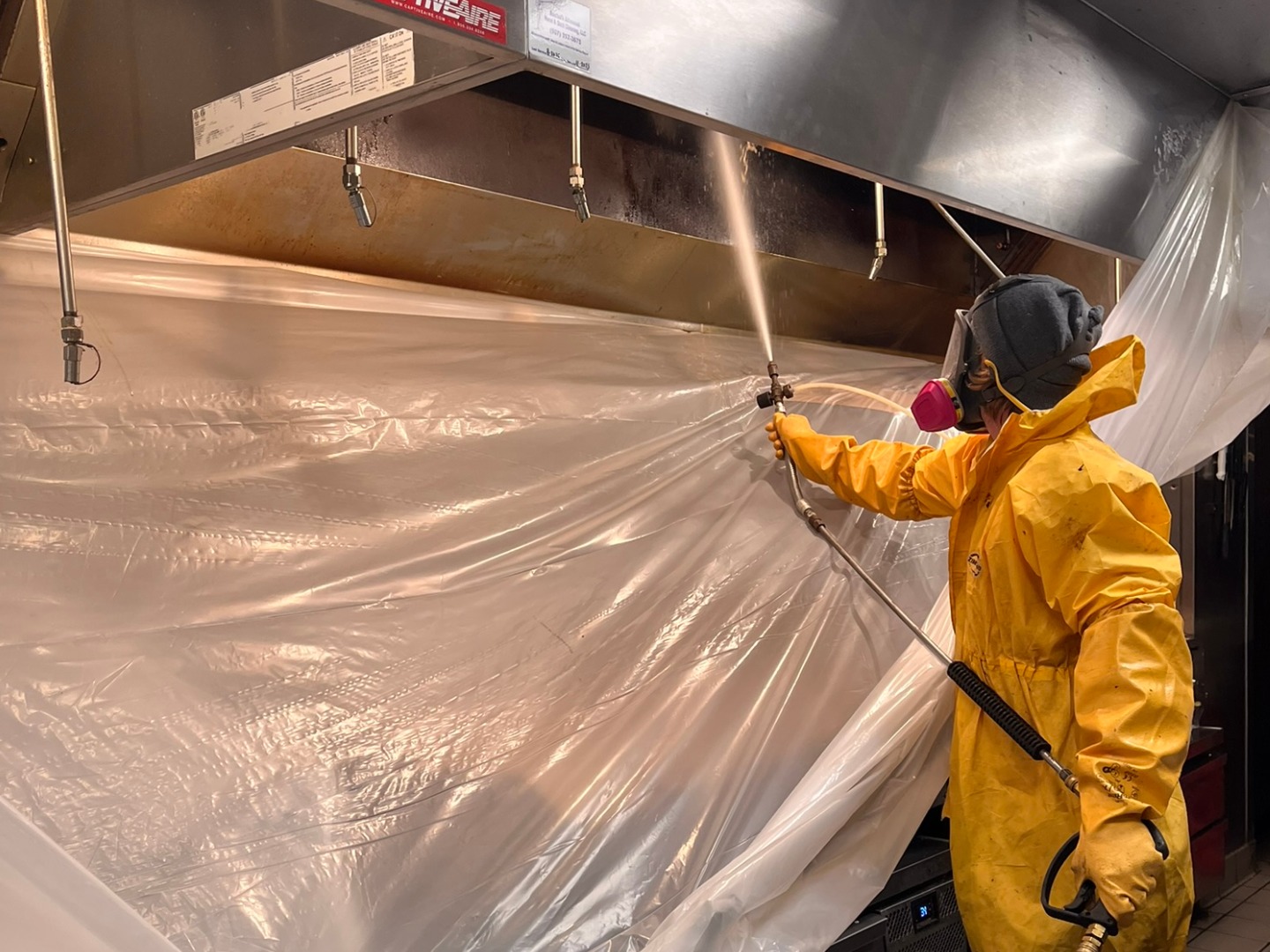
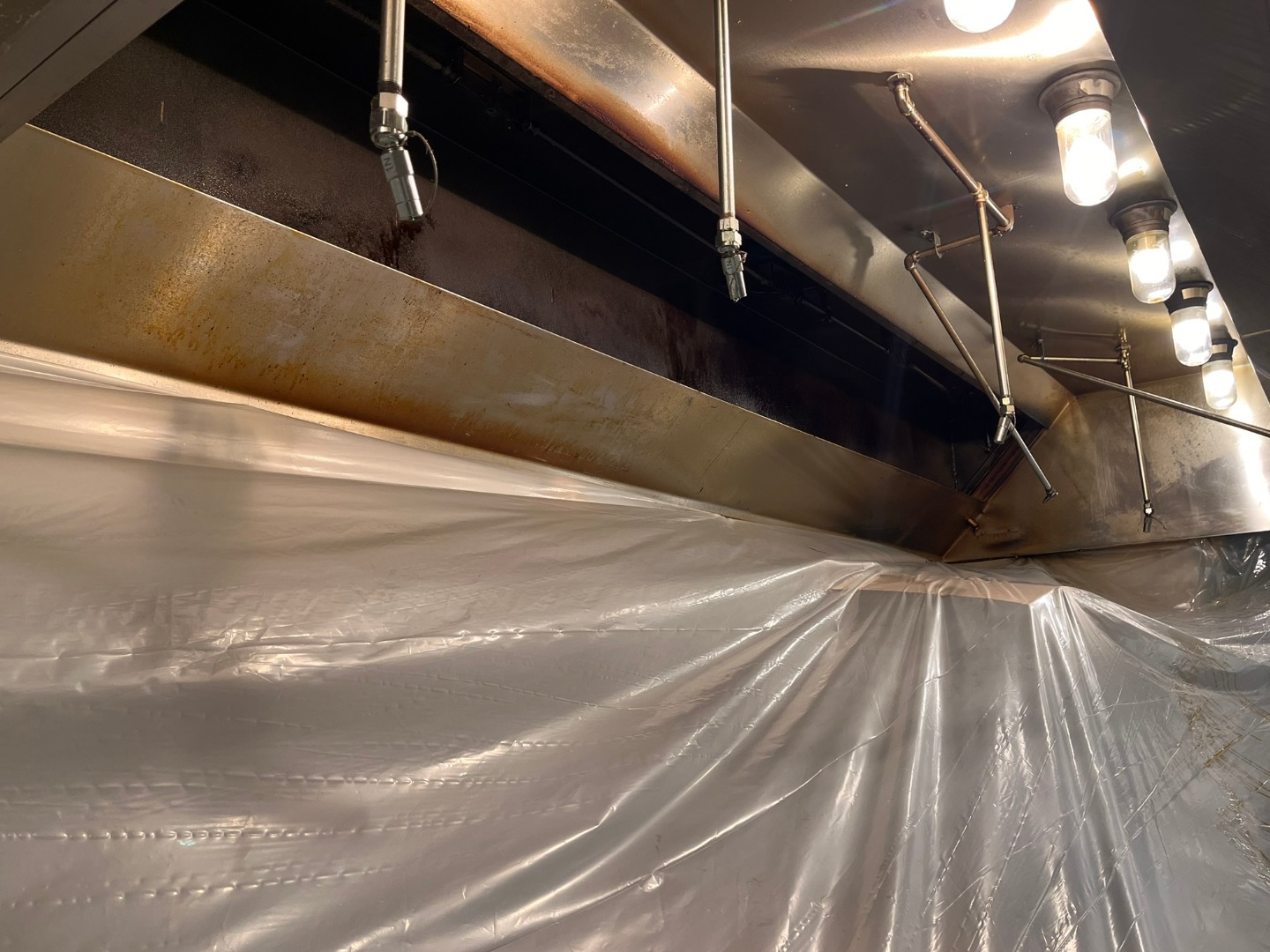
- Preparing the work area: The kitchen and nearby equipment are protected, and exhaust equipment is shut down or isolated as required for safe service.
- Removing grease buildup: Technicians clean the applicable hood, ductwork, exhaust fan, and other components included in the service.
- Documenting the work: Schwickert’s lists before-and-after photos, a cleaning record, and a compliance sticker among its service deliverables. Facility managers should retain records and review any findings or recommendations.
- Planning future maintenance: Service records and system condition help inform the next inspection and cleaning schedule.
What Does Skipping Commercial Kitchen Hood Cleaning Cost?
The cost of commercial kitchen hood cleaning depends on factors such as system size, layout, grease accumulation, accessibility, and the work required.
Heavy buildup or difficult access may increase the labor needed to clean a system. Additional work may also be necessary if an inspection identifies areas that need attention beyond routine cleaning. A facility-specific estimate is more useful than relying on one price for every kitchen.
However, service cost is only part of the decision. A grease-related fire can damage equipment and building components, interrupt operations, and create serious safety risks. Delayed maintenance can also make future cleaning more involved.
Regular cleaning cannot eliminate every fire risk, but it helps address an important and preventable hazard. For businesses operating multiple kitchens, a documented schedule can also make budgeting and service planning easier.
What Should Facility Managers Do Next?
If your facility does not have a clear hood cleaning schedule, start by reviewing service records. Confirm when the exhaust system was last inspected and cleaned, what work was completed, and whether any issues remain unresolved.
Next, consider cooking volume, equipment, and operating hours. If these have changed, your current schedule may need to be reassessed.
If you are unsure whether the full exhaust system has been cleaned recently, arrange an inspection with a qualified provider. Do not rely only on the appearance of the hood or filters to decide whether service is needed.
Schwickert’s offers commercial hood and exhaust cleaning services to help facilities address grease buildup and maintain service documentation. Discuss your kitchen’s operating conditions and cleaning history with the service team to determine appropriate next steps.
Keep Your Kitchen Exhaust System on Schedule
Commercial kitchen hood cleaning helps facilities manage grease-related fire risks. When cleaning falls behind, combustible deposits can accumulate in areas that are easy to overlook during daily kitchen maintenance.
The right schedule depends on cooking volume, system condition, and applicable requirements. Professional service, clear records, and consistent scheduling help facility managers keep this responsibility under control.
Ready to review your kitchen’s cleaning schedule? Explore Schwickert’s commercial services or contact the team to discuss your hood and exhaust cleaning needs.