The cost of reactive maintenance is often higher than industrial facilities expect. Reactive maintenance means you fix equipment only after it breaks. It’s often called the “run it until it breaks” approach. It can look cheap on paper, since you aren’t paying for regular service visits. The real cost shows up later, when a pump, boiler or compressor fails during a busy shift.
If you manage a plant or warehouse, this guide will help you figure out what reactive maintenance is really costing you. It also covers how a planned approach to your mechanical systems, roof and other equipment can lower those costs.
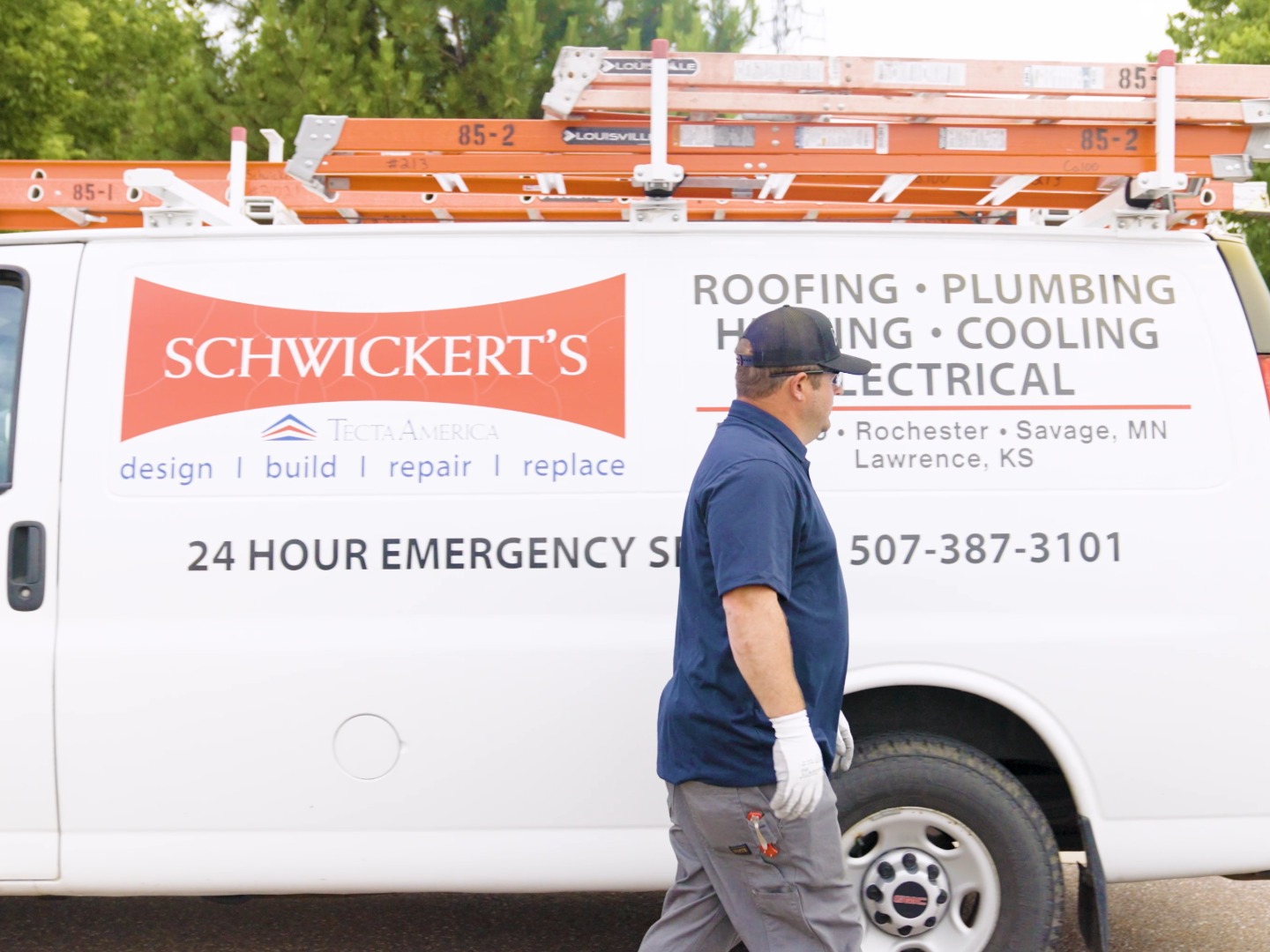
Why Reactive Maintenance Costs More Than It Seems
Reactive maintenance does have two upsides. It has a low upfront cost, and it takes fewer staff. Those benefits are real in the short term.
The downsides are bigger. Unplanned downtime drives costs up, and your team’s time gets used less efficiently. When something breaks without warning, your crew drops what they’re doing. Parts may need to be rushed in. Production may stop until the repair is done.
Downtime is where the money goes. A 2024 Siemens report, shared by the Institute for Supply Management, found that unscheduled downtime costs the world’s 500 biggest companies 11% of their yearly revenue. That adds up to $1.4 trillion. In the auto industry, one hour of downtime costs about $2.3 million.
Your facility is likely smaller than a global automaker. The same math still applies. Every hour a line sits idle, you’re still paying your crew while orders wait.
What Impacts the Cost of Reactive Maintenance the Most
Not every breakdown costs the same. These factors make the biggest difference.
How critical the equipment is. A failed exhaust fan in a storage area is an annoyance. A failed process chiller or compressed air system can shut down production. The more a system affects output, the more its failure costs.
How long it takes to get a technician on site. Every hour you wait for help is another hour of downtime. A contractor with 24/7 emergency service can make a big difference here.
Parts availability. Older equipment may use parts that are hard to find. A simple fix can turn into days of waiting.
Damage to other systems. One failure can cause another. A leaking pipe can damage electrical panels, flooring or stored products. An overheated motor can damage the equipment it drives.
Overtime and rush costs. Emergency repairs often happen after hours or on weekends. That can mean overtime pay and rush shipping on parts.
How much of your maintenance is reactive. Industry research shows a typical facility does 40% to 60% of its maintenance reactively. Best-in-class facilities keep reactive work under 10%. The higher your share, the more often these costs hit.
What We See in the Field: Records That Live in Someone’s Head
A common problem behind reactive maintenance is poor tracking. Service dates, repair history and equipment age are often kept on paper, in spreadsheets or in one person’s memory. When that person retires or changes jobs, the history goes with them.
Without good records, it’s hard to tell which equipment is close to failing. It’s also hard to show leadership why a replacement budget is needed. Manual tracking can be overwhelming, and gaps in it often lead to costly downtime.
To help with this, Schwickert’s offers asset management. Tecta Tracker covers roof systems, and HVAC-R Tracker covers mechanical systems. Both give you real-time information and reports through an online portal. You can see your equipment, its service history and what’s coming up, all in one place. Learn more on our Facilities Asset Management page.
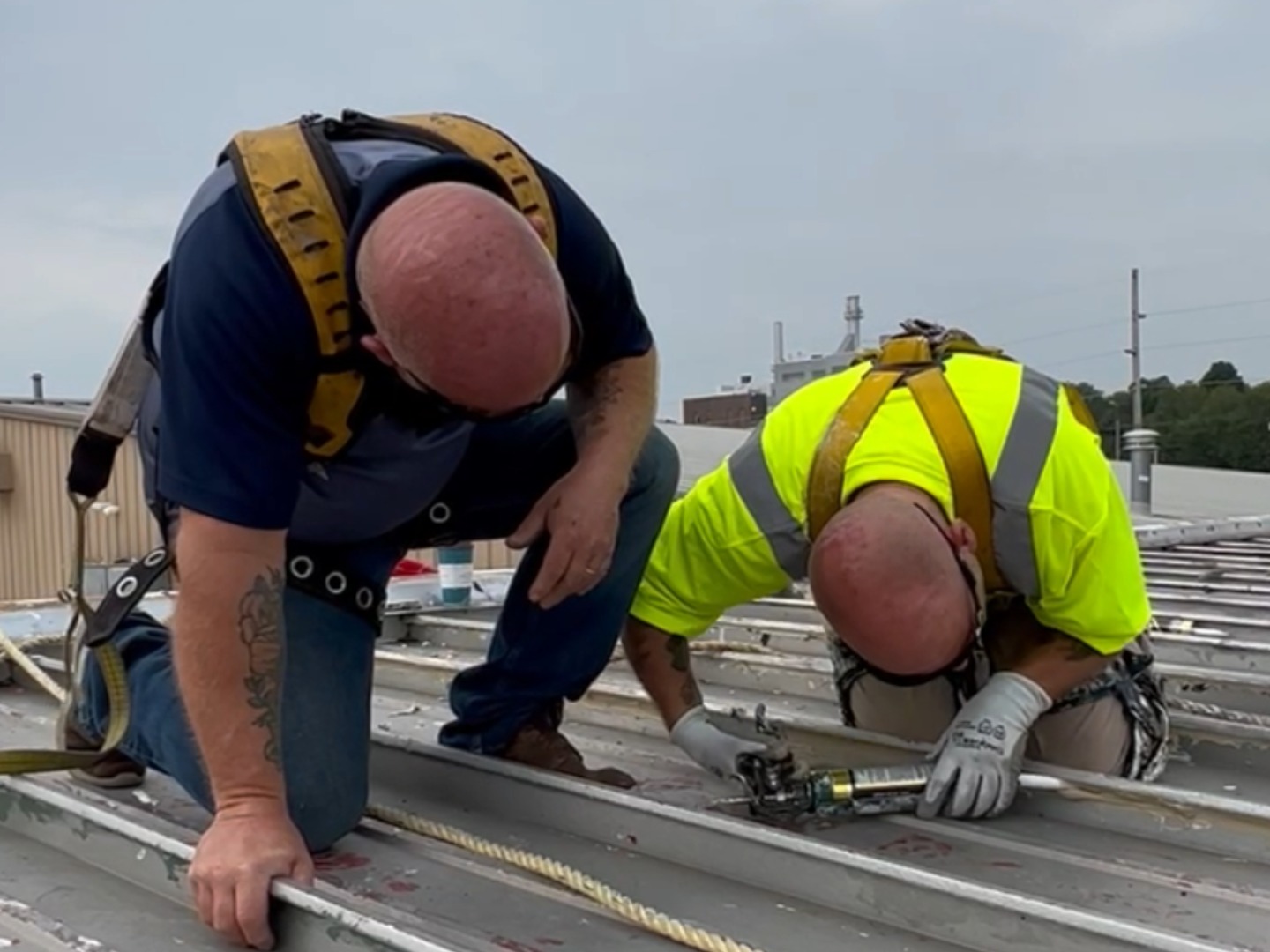
Common Mistakes That Keep Facilities Stuck in Reactive Mode
Waiting for a budget crisis to plan. Many facilities only think about maintenance after a big failure. By then, the money is already spent on emergency repairs.
Skipping planned service when things get busy. It’s tempting to push a scheduled check back during a rush. That’s often when equipment is working its hardest and is most likely to fail.
Treating every system the same. Your most critical equipment should get the most attention. A one-size-fits-all schedule can waste time on low-risk items and miss high-risk ones.
Using different contractors for every trade. When roofing, HVAC, plumbing and electrical are handled by separate companies, problems can fall through the cracks. A roof leak may be damaging mechanical equipment, and no one connects the two. Working with one contractor for multiple trades makes it easier to see the full picture.
Your Options: Preventive and Predictive Maintenance
There are two main ways to move away from reactive maintenance.
Preventive maintenance means servicing equipment on a set schedule, before it breaks. This includes things like changing filters, checking belts and inspecting boilers. Studies show preventive maintenance can save 12% to 18% on average compared to a reactive program.
Predictive maintenance goes a step further. It uses testing and monitoring to spot problems as they start, so you fix only what needs fixing. Predictive maintenance can save another 8% to 12% compared to preventive maintenance alone. The Siemens report also found that fixing equipment before it fails can cut the need for replacement parts by up to 40%.
Most facilities don’t need to switch everything at once. A good first step is to start a planned schedule for your most critical systems. For many industrial facilities, that means boilers, chilled water systems, compressed air, dust collection and process piping. Schwickert’s services all of these. For a look at what to check and how often, see our guide to commercial HVAC maintenance schedules.
How to Decide Where to Start
Start by asking a few questions about each major system:
- If this failed today, would production stop?
- How old is it, and when was it last serviced?
- How many times has it needed repair in the past year?
- How long would it take to get parts?
Equipment that would stop production, is getting older and has a history of repairs should be first in line for planned maintenance. Equipment that’s low risk and easy to repair can stay on a simpler schedule.
Next, look at your records. If you can’t answer these questions easily, better tracking may be the best first step. Once your equipment data is in one place, it’s much easier to plan repairs and budget for replacements before they become emergencies.
Talk With Schwickert’s About a Maintenance Plan
If your team is spending most of its time putting out fires, it may be time for a different plan. Schwickert’s Tecta America has served facilities since 1906, with roofing, mechanical, plumbing and electrical services under one company. We have offices in Mankato, Savage and Stewartville, Minnesota, and in Lawrence, Kansas. We also offer 24/7 emergency service when something can’t wait. Call us at 507-387-3101 or contact us to talk with our team about a maintenance plan for your facility.