
Preventative maintenance costs money, but waiting and hoping a system holds on can cost much more. A rooftop unit failing in the heat of August does not just mean a repair bill, it means emergency service rates, lost operating hours, and a budget line that was never planned for. The facilities that avoid this pattern share one habit: they plan for repairs before they become emergencies, not after.
Use this guide to understand what drives unpredictable repair costs, and what a facility can put in place to bring those costs back under control.

Why Reactive Repairs Cost More Than Planned Ones
A repair scheduled in advance and a repair made under emergency conditions are not the same expense, even when the work itself is identical.
Emergency service rates – after-hours and rush repairs typically carry a premium over standard scheduled work. That premium applies every time a facility waits for a failure instead of catching it early.
Operational disruption – a planned repair can be scheduled around building use. An emergency repair happens whenever the failure happens, often during hours of operation, and often with less notice to staff or tenants.
Compounding damage – equipment that fails completely usually costs more to repair or replace than the same equipment caught early in a state of decline. A minor issue addressed in an inspection is a fraction of the cost of the same issue addressed after failure.
Fewer good options – emergency repairs shrink the menu of options and the planning window. The facility has to solve the immediate problem, which can limit decisions around repair vs. replace, equipment availability, timing, temporary fixes, and how the work affects the building as a whole.
Budgeting Issues That Build Over Time
Unpredictable repair costs are rarely the result of one bad year. They are usually the result of a budgeting process that was never built to anticipate them.
No capital reserve for aging systems – most commercial equipment has a known service life. Facilities that do not track equipment age are consistently surprised by costs that were, in fact, predictable years in advance.
Annual budgets built without inspection data – a budget built on last year’s spending, rather than the current condition of the building’s systems, will not account for problems that are actively developing.
Deferred maintenance treated as savings – skipping an inspection or a service cycle looks like a savings in the current budget year. It is not a savings. It is a cost moved into a future year, usually at a higher price.
What We See in the Field
The facilities we work with that consistently avoid budget surprises all have the same thing in common: documented inspection history. When a facility can see a piece of equipment’s condition over the last three, four, or five years, a repair decision becomes data-driven instead of reactive.
Facilities without that history are, in effect, starting from zero every time something goes wrong. There is no way to know if a failure was sudden or years in the making, which makes it difficult to plan for what else might be close behind it.
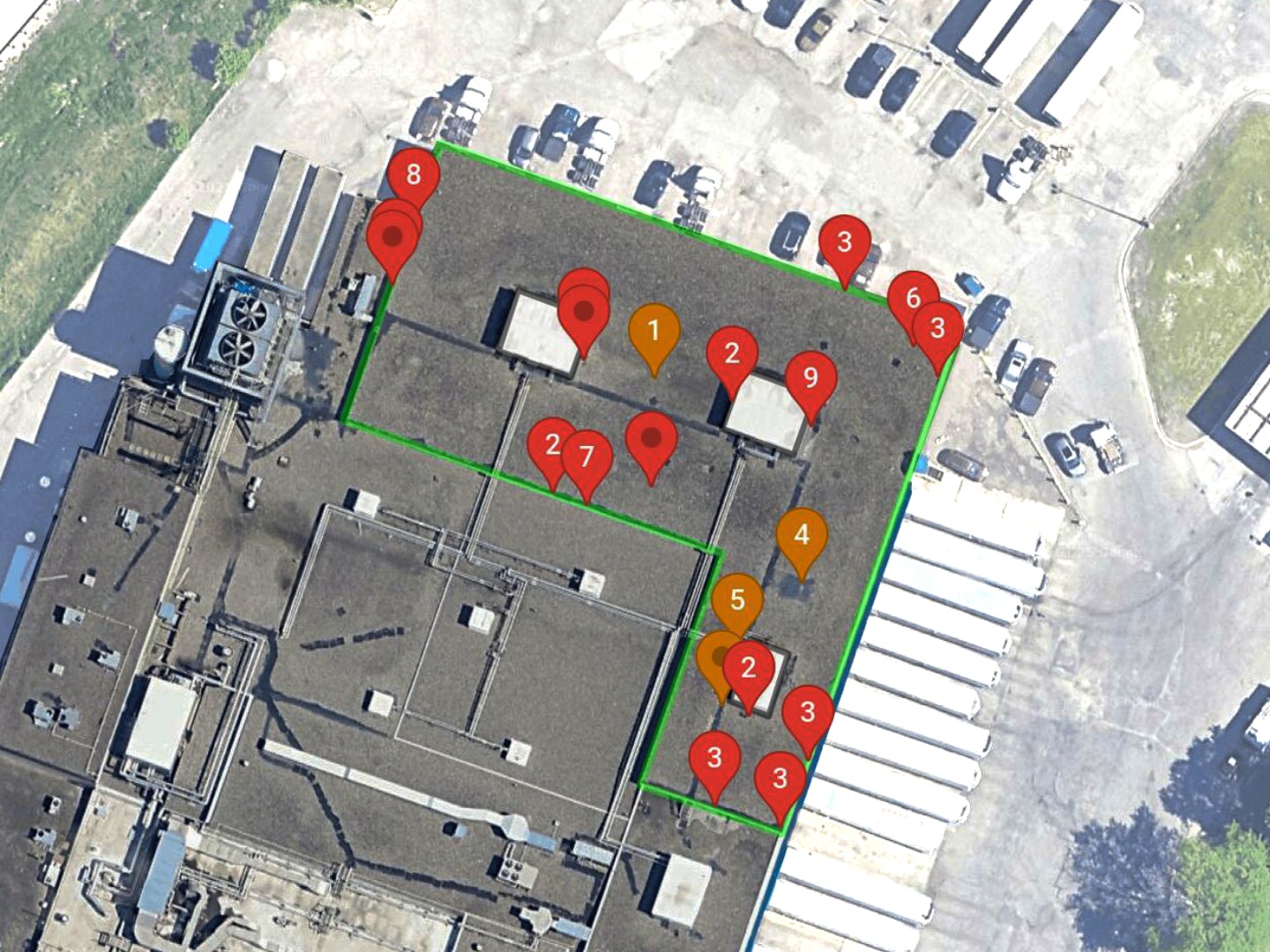
Through our Tracker platform, we help facility managers track inspections, condition scores, repair priorities, and budgets in one place. That visibility is what turns a maintenance plan into a budgeting tool, not just a service record.
What Impacts This the Most
Equipment age and service history – knowing where major systems are in their lifecycle is the difference between a planned capital expense and an emergency one.
Facility size and system complexity – larger facilities or those with more mechanical, electrical, and roofing systems have more points of potential failure, and need a maintenance plan sized accordingly.
Inspection frequency – facilities on a consistent inspection schedule catch developing issues while they are still minor and inexpensive to address.
Documentation quality – a maintenance history with photos, condition notes, and repair priorities gives a facility manager the information needed to plan budgets around actual risk, not guesswork.
Common Mistakes in Building Repair Budgeting
Waiting for equipment to fail before replacing it. Planned replacement is almost always less disruptive and less expensive than emergency replacement.
Budgeting reactively instead of proactively. A budget based only on prior spending will not reflect what is currently developing in a building’s systems.
Skipping inspections to save on cost. Deferred inspections do not reduce spending, they concentrate it into larger, less predictable repairs later.
Treating every system as equally urgent, or not urgent at all. Not every repair needs the same response time, and a facility without a way to prioritize is left responding to whatever fails first, rather than what matters most.
What to Do Next
If repair costs have felt unpredictable year over year, or your facility does not have a documented maintenance history to budget against, the next step is getting a clear picture of where your systems actually stand.
Schwickert’s has turned reactive repair budgets into planned maintenance strategies across the Midwest. Reach out to Schwickert’s to talk through what a tracking and planning system could look like for your building.