

An HVAC system that runs fine in April can fail in July, and the difference usually isn’t bad luck. It’s whether the system had a maintenance schedule built around when problems actually develop, not a generic once-a-year check-up. Facilities that avoid summer breakdowns and winter heating failures share one habit: they service equipment on a schedule that matches the season, not a calendar that’s convenient for the maintenance crew.
Use this guide to understand what a real HVAC maintenance plan includes, when each task should happen, and what a facility gains by staying consistent.
Why a Generic Maintenance Schedule Falls Short
Commercial HVAC systems don’t wear down at a steady pace. They’re pushed hardest during specific seasons, and each season creates its own failure points.
Spring
This is when systems come out of winter dormancy and start ramping up for cooling season. Refrigerant levels, belts, and electrical connections should be checked before the summer demand hits, not after a unit fails on the first 90-degree day.
Summer
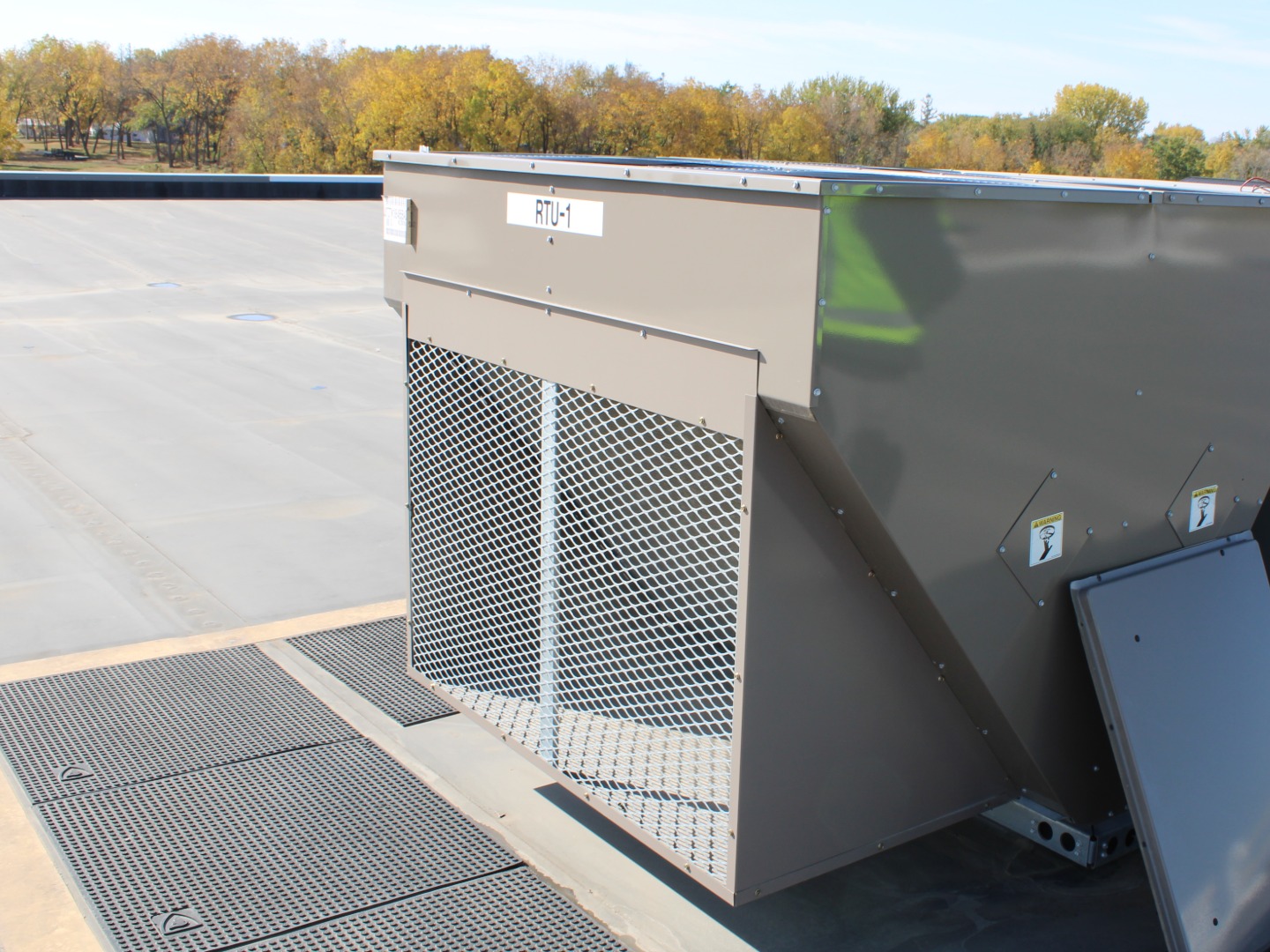
Peak cooling season is when rooftop units and compressors work hardest. Filters clog faster, condensate lines back up more easily, and any weak component is more likely to fail under sustained heavy use.
Fall
Before heating season starts, gas furnaces, heat exchangers, and ignition systems need inspection. A cracked heat exchanger or failing burner is far easier to catch in October than during the season’s first cold snap.
Winter
Heating systems run continuously through freezing temperatures. This is also when facilities should be planning ahead for spring cooling system prep, so nothing is rushed once temperatures rise again.
What a Proper Maintenance Plan Actually Includes
A maintenance plan isn’t a single annual visit. It’s a structured schedule built around what the equipment needs at each point in the year.
Biannual Inspections – at a minimum, two visits per year, aligned with the changing heating/cooling seasons.
Filter replacement on a consistent cycle – clogged filters are one of the most preventable causes of reduced efficiency and premature equipment wear.
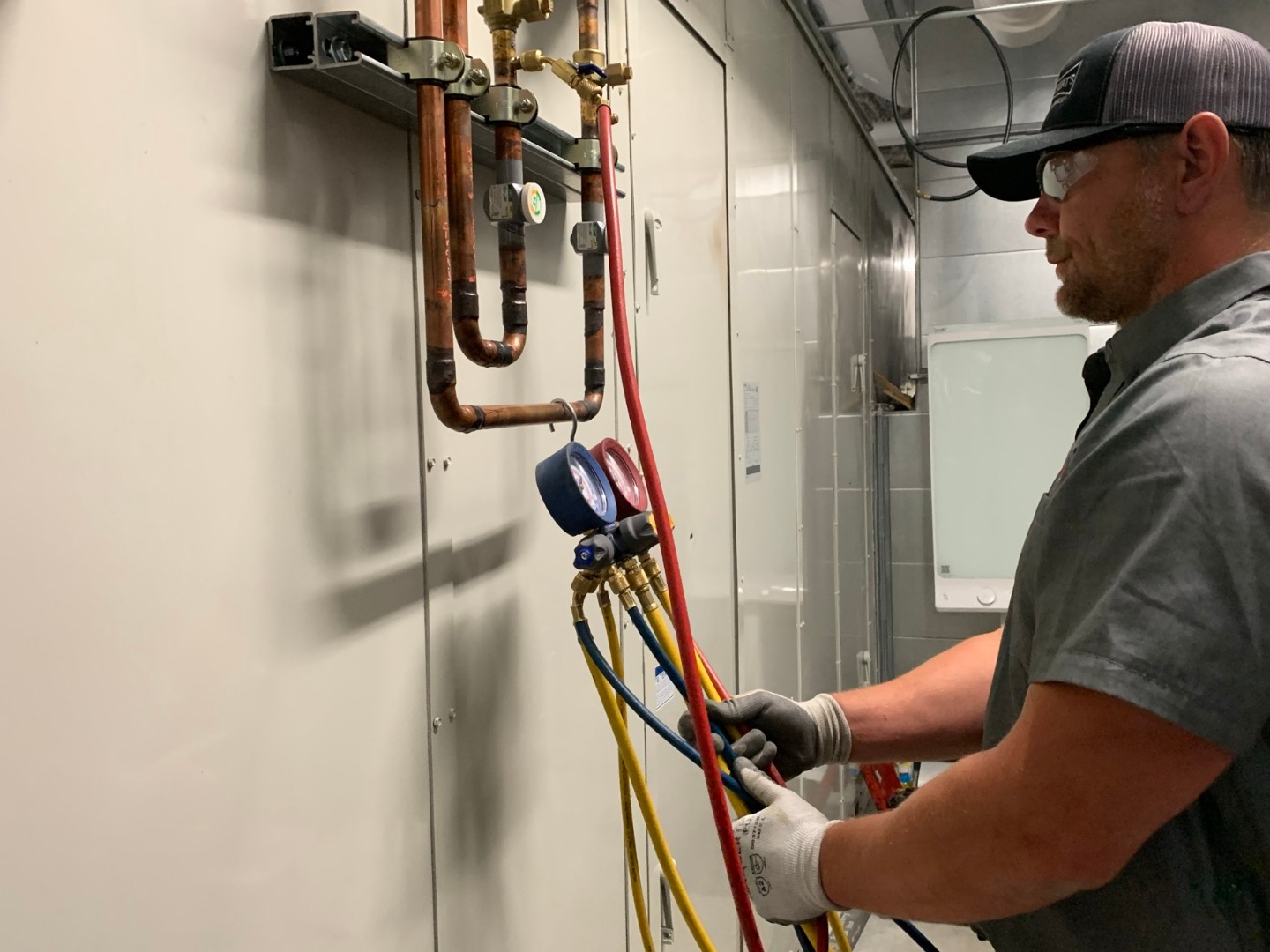
Refrigerant and electrical checks – low refrigerant and worn electrical connections are common causes of compressor failure, and both are easy to catch early.
Belt and bearing inspection – worn belts and bearings cause inconsistent temperature control long before they cause a full breakdown.
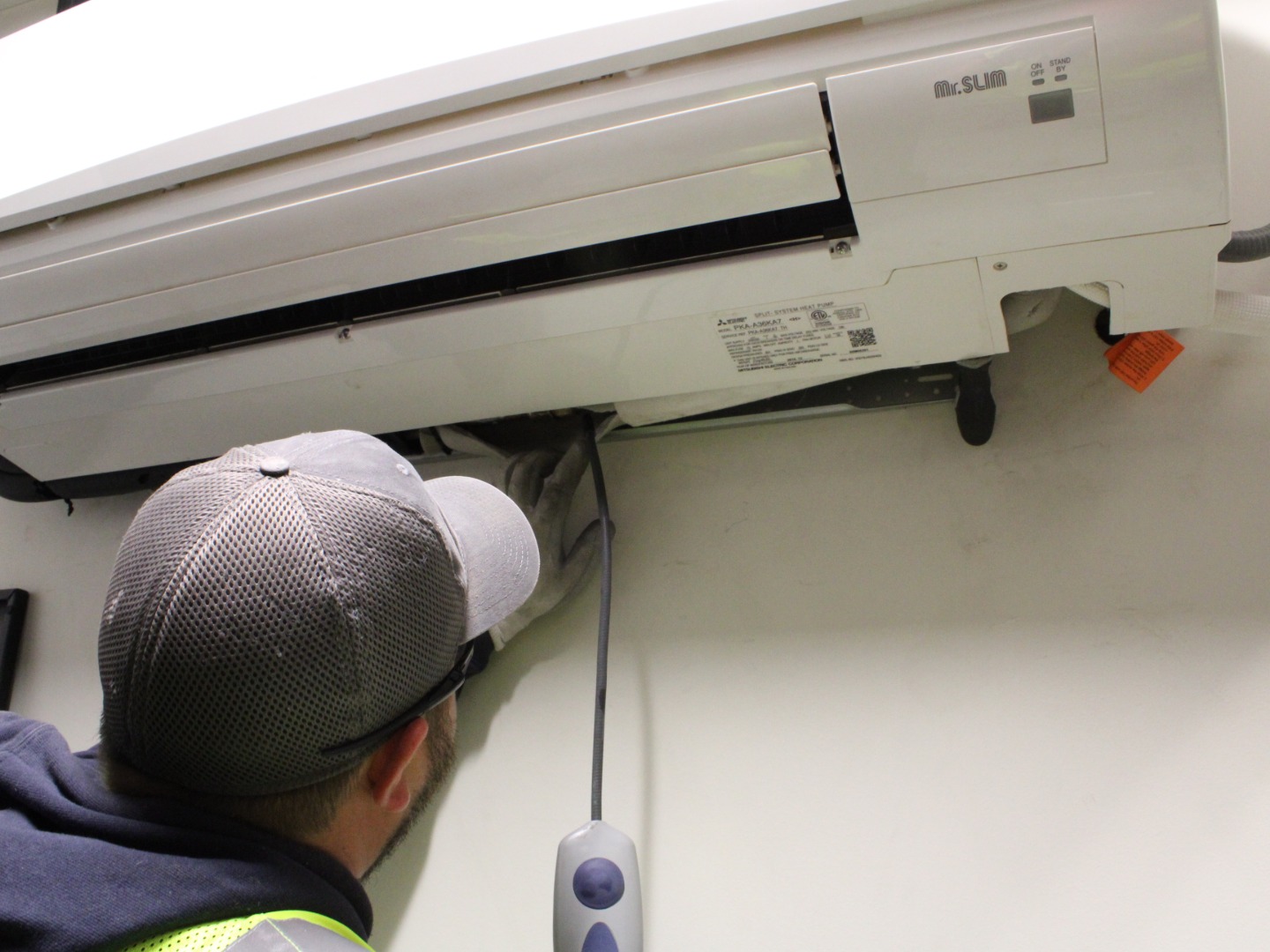
Condensate drain and coil cleaning – buildup here reduces efficiency and can lead to water damage if left unaddressed.
Written documentation with photos – every inspection should be logged, not just completed. Documentation is what turns a maintenance visit into a decision-making tool for next year’s budget.
How Local Factors Change the Plan
A maintenance schedule built for a Minnesota facility looks different than one built for a facility in a milder climate. Cold winters mean heating systems run longer and harder, which shortens their service life if maintenance is inconsistent. Humid summers put more strain on cooling systems and increase the risk of condensate and drainage issues. A maintenance plan should reflect the facility’s actual climate, not a national average.
What We See in the Field
The facilities that avoid HVAC emergencies all have the same thing in common: a documented maintenance history. When we can see how a unit has performed over the last three, four, or five years, a repair or replacement decision becomes based on real data instead of guesswork.
Facilities without that history are often surprised by failures that, on inspection, had been developing for months. There’s no way to know if a breakdown was sudden or building for a while without a record to compare against.
Through our Tracker platform, we help facility managers track inspections, condition scores, and repair priorities in one place. That visibility turns a maintenance plan into a long-term budgeting and planning tool, not just a service record.
What Impacts This the Most
Equipment age and service history – older units need more frequent inspection, and knowing where a unit is in its lifecycle helps plan for replacement before a failure forces the decision.
System size and complexity – larger facilities with multiple units or zoned systems have more points of potential failure and need a maintenance plan sized accordingly.
Consistency of service – a maintenance plan only works if it’s followed on schedule. Skipped or delayed visits let small issues develop into larger ones.
Documentation quality – photos, condition notes, and repair priorities give a facility manager the information needed to plan budgets around actual equipment condition.
Common Mistakes in HVAC Maintenance Scheduling
Scheduling one visit per year instead of one per season. A single annual check misses the specific stresses each season puts on the system.
Waiting for a complaint before servicing a unit. By the time occupants notice inconsistent temperatures, the underlying issue has usually been developing for a while.
Skipping filter changes to save on cost. Deferred filter changes reduce efficiency and shorten equipment life, which costs more over time.
Treating every unit the same regardless of age or workload. Older or heavily used units need more frequent attention than newer, lightly used ones.
What to Do Next
If your facility doesn’t have a documented HVAC maintenance schedule, or if service has been reactive rather than seasonal, the next step is getting a clear picture of where your systems stand today.
Schwickert’s has helped facilities across the Midwest move from reactive HVAC repairs to planned, season-based maintenance schedules. Reach out to Schwickert’s to talk through what a maintenance plan could look like for your building.