
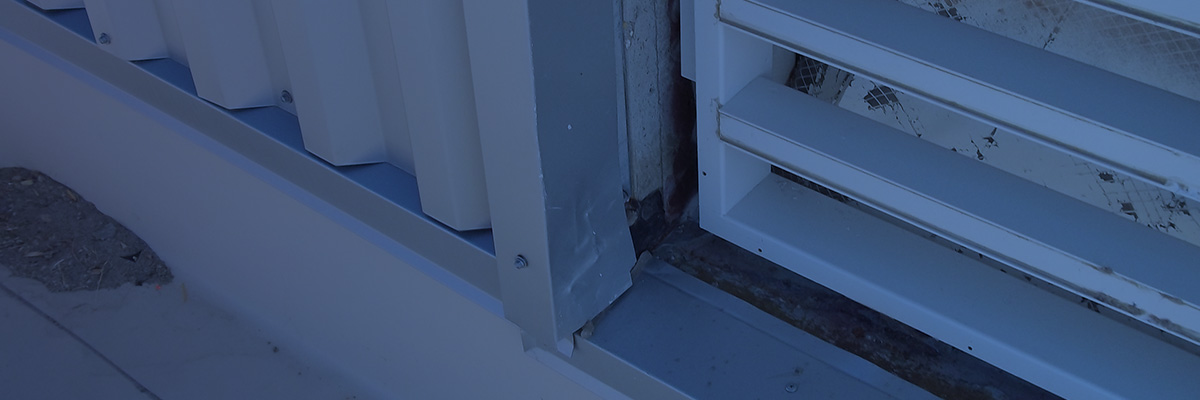
Exterior leaks usually begin small: a gap where two materials meet, a seam that was never properly capped, or a piece of trim that wasn’t fabricated for the specific building it’s on. Water finds that gap long before anyone notices a stain on the ceiling below.
This guide walks through the most common building exterior mistakes that lead to leaks, and why the metal components tying everything together, including flashing, coping, trim, and panel systems, matter more than most facilities realize until something goes wrong.
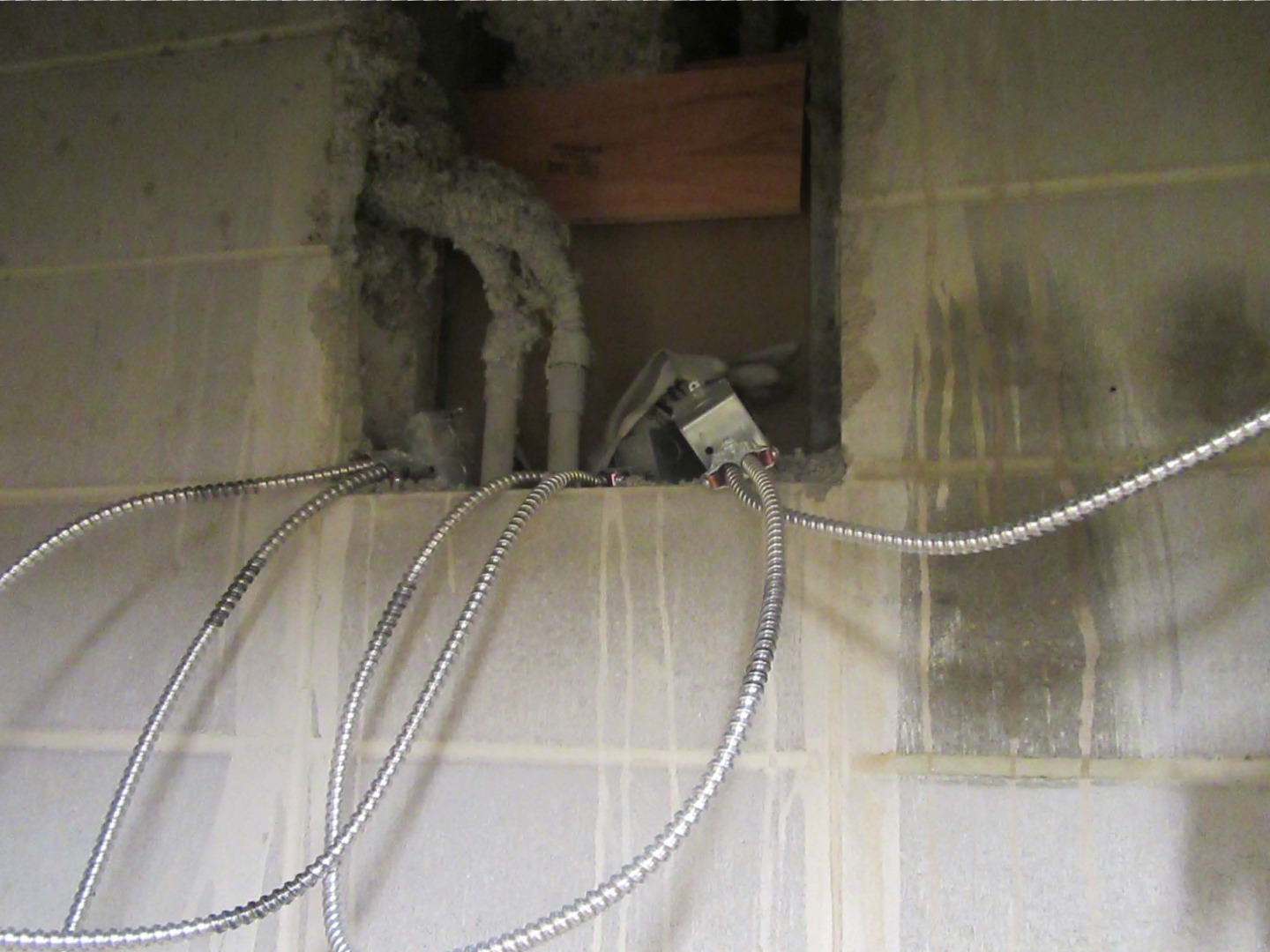
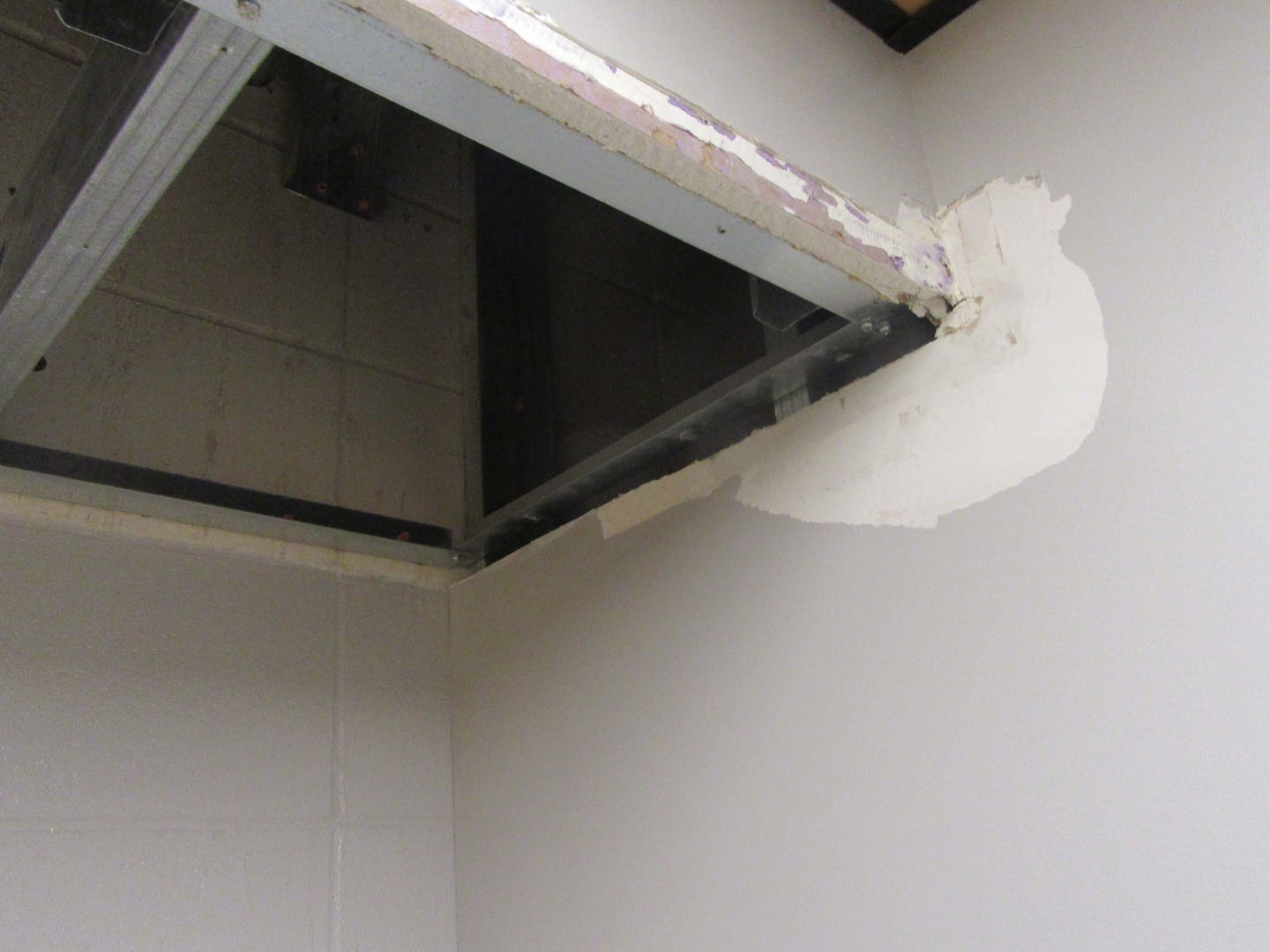
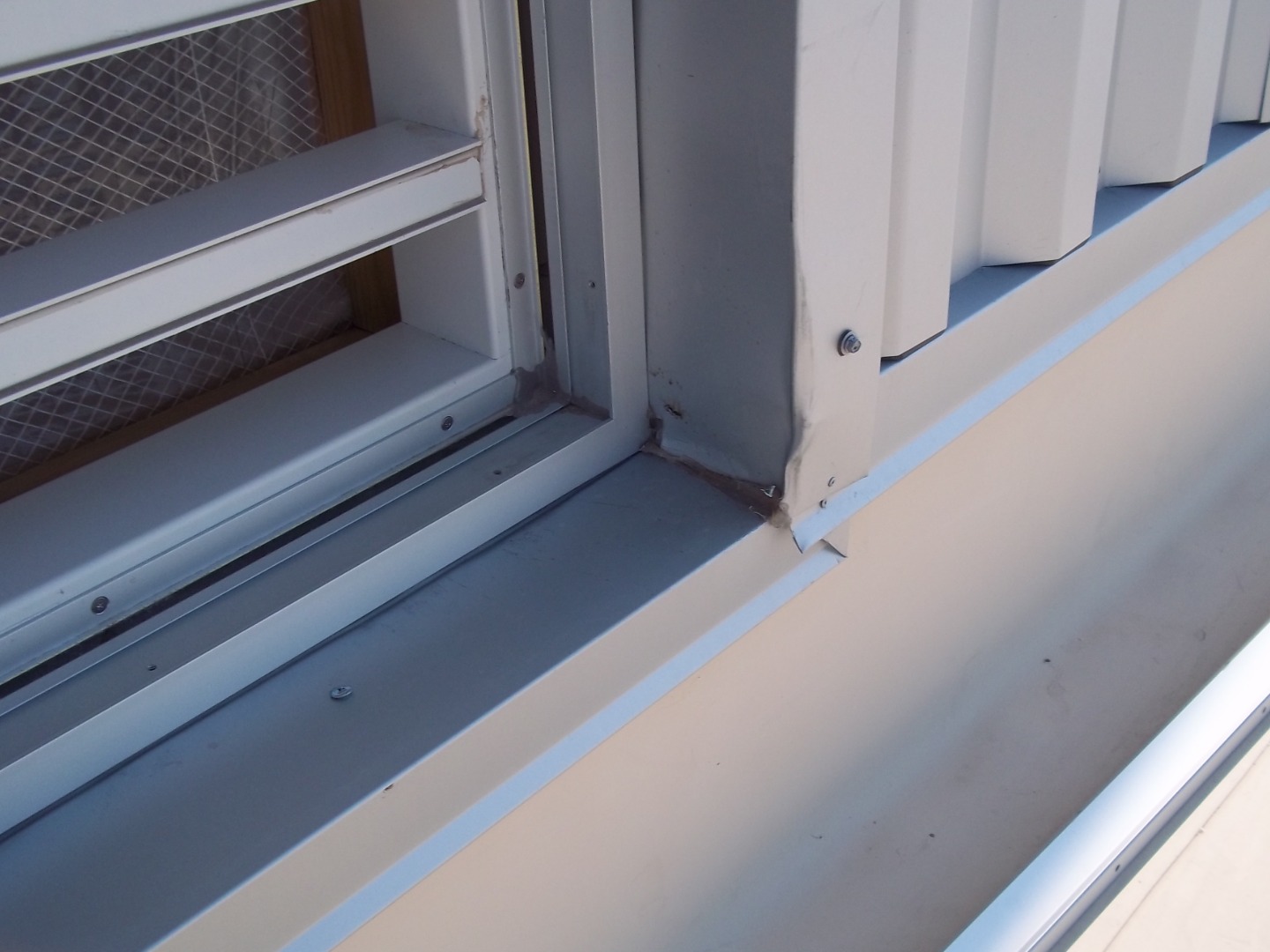
Where Exteriors Actually Fail
Roofs get the most attention because leaks there are visible and disruptive. But a building’s exterior is a system, not a single surface, and water intrusion often starts at the points where different materials or building sections meet. Wall-to-roof transitions, parapet caps, window and door surrounds, and expansion joints are where most failures begin, not because the primary materials failed, but because the connections between them were never sealed or flashed correctly in the first place.
A wall can be structurally sound for decades while still leaking. The vulnerability sits in what covers the seam, not the wall material itself.
Common Mistakes That Lead to Leaks
Using generic or off-the-shelf metal instead of custom-fabricated pieces is one of the most frequent issues we see. A standard flashing profile might fit close enough to look correct, but “close enough” leaves gaps that widen with age, weather cycling, and building movement. Custom metal, fabricated to the exact dimensions and angles of a building’s specific transitions, closes those gaps from day one instead of approximating a fit.
Improper overlap at seams is another common failure point. Metal panels and flashing pieces are designed to overlap in a specific direction, so water sheds downward and outward rather than working its way underneath. When installers reverse that overlap or leave insufficient coverage, water gets pulled in by wind and gravity instead of shed away.
Sealant used as a substitute for proper flashing shows up often in older or previously patched buildings. Caulk and sealant are meant to supplement a properly designed water management system, not replace one. Sealant degrades, cracks, and shrinks over time; metal flashing, properly installed, does not.
Skipping thermal movement allowances causes long-term seam failure even when the initial installation looks clean. Metal expands and contracts with temperature swings, and materials in Minnesota and the surrounding Midwest see some of the widest seasonal ranges in the country. Rigid installations without room to move eventually crack, buckle, or pull apart at the seams.
Mismatched materials at transition points create a different kind of problem. When dissimilar metals come into direct contact without a proper barrier, galvanic corrosion can develop over time, weakening the metal from the inside even when the surface still looks fine.
Why Custom Metal Matters More Than It Seems
When metal components are ordered specifically for a building, whether that’s coping, counterflashing, trim, or panel systems, the fit accounts for the building’s actual measurements, angles, and movement requirements. That precision is what prevents the small gaps that eventually become leaks.
Schwickert’s fabricates custom metal in-house, which means the same team that assesses a building’s exterior can also produce components built to that building’s exact specifications, rather than relying on stock sizing that requires field modification. Fewer field adjustments mean fewer opportunities for the small inconsistencies that lead to long-term failure.
What We See in the Field
The buildings we’re called to most often for exterior leak repairs share a pattern: previous repairs used generalized materials instead of custom-fitted ones. A patch job might solve the visible symptom for a season or two, but if the underlying fit was never corrected, the same failure point tends to resurface, often in a slightly different spot along the same seam or transition.
Buildings with a documented exterior maintenance history fare noticeably better. When we can see how flashing and trim have performed over several years, we can identify which sections are aging faster than expected and address them before they fail, rather than reacting after water has already found its way in.
What Impacts This the Most
Building age and prior workmanship play a significant role. Older buildings, or those that have gone through multiple owners and repair crews, often have a patchwork of materials and fitting approaches layered over decades, which increases the number of potential failure points.
Climate exposure matters as much as material choice. A building’s north-facing versus south-facing walls, its exposure to prevailing wind, and the freeze-thaw cycles it experiences each year all affect how quickly a marginal installation becomes a failing one.
The complexity of the building envelope itself, how many transitions, penetrations, and material changes exist, determines how much custom fabrication is actually needed. Simpler structures have fewer opportunities for water intrusion; more architecturally complex buildings need a maintenance and materials plan that reflects that complexity.
What to Do Next
If your facility has a history of recurring leaks in the same general area, or if previous repairs have used generic materials instead of custom-fitted metal, the underlying fit is worth investigating before another patch is applied.
Schwickert’s fabricates custom metal for commercial buildings across Minnesota, Kansas, and the Midwest, and works directly with facilities to identify where generic materials may be creating long-term risk. Reach out to Schwickert’s to talk through what your building’s exterior actually needs.