
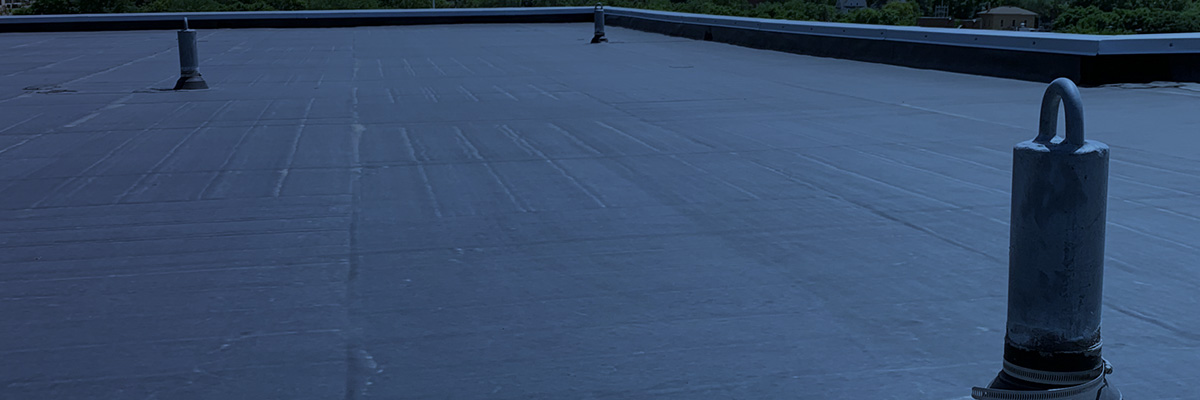
A roof’s expected lifespan is a starting point, not a guarantee. Two identical roof systems installed the same year can age at completely different rates depending on how they were installed, how consistently they’ve been maintained, and what conditions they’ve been exposed to since day one.
This guide breaks down typical lifespan ranges by roof system, then walks through the factors that actually determine where a specific roof falls within that range, so a facility can plan for replacement on its own timeline instead of reacting to a failure.
Typical Lifespan by Roof System
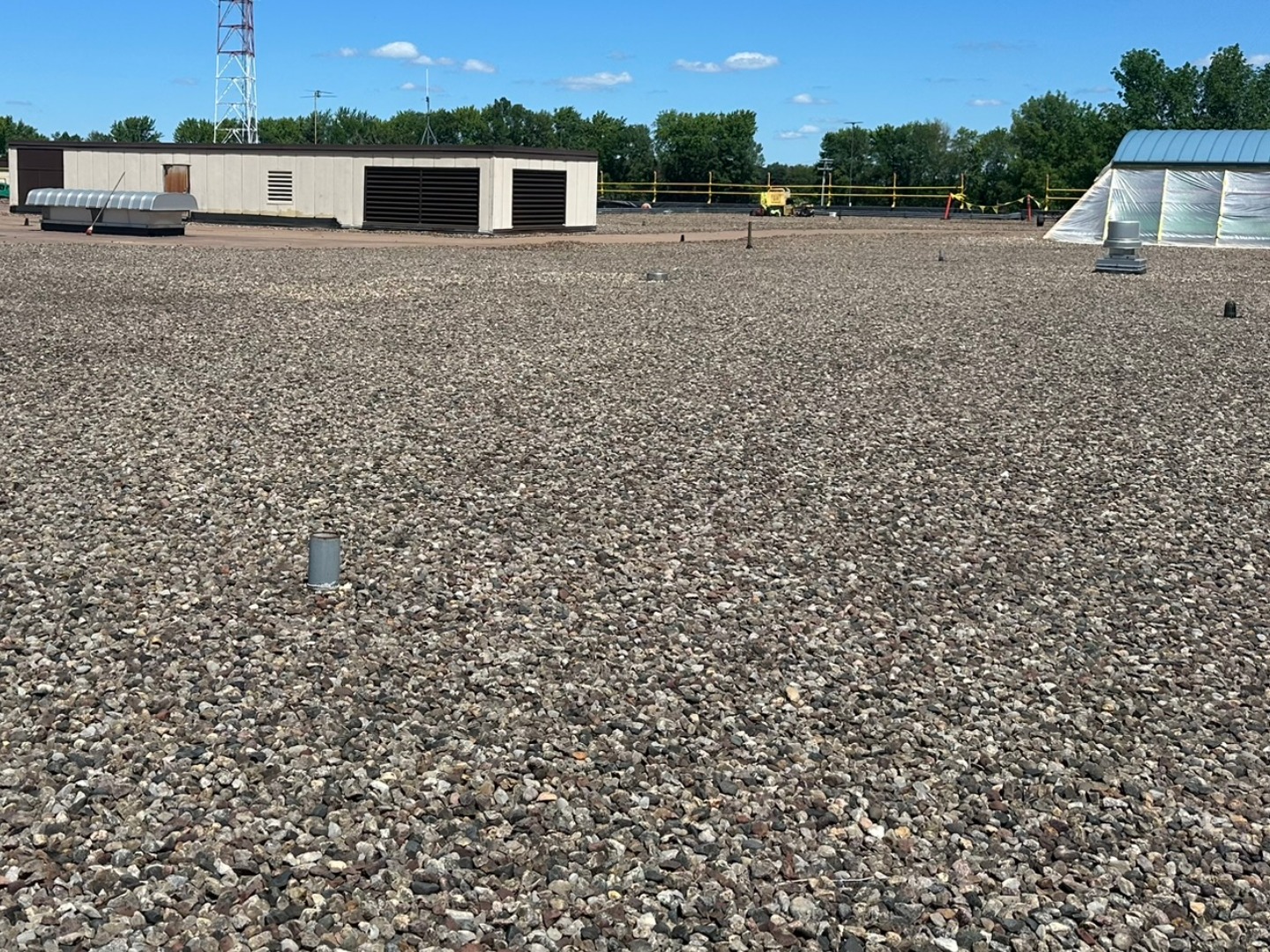
Built-up roofing (BUR) systems generally last 20 to 30 years when properly maintained. The multiple layers of felt and asphalt provide strong redundancy, so a single point of damage rarely leads to immediate failure, though ponding water and UV exposure gradually wear down the surface over time.
Modified bitumen systems typically run 15 to 20 years. These roofs perform well in cold climates due to their flexibility during temperature swings, but seam quality at installation has an outsized effect on how long they actually last.
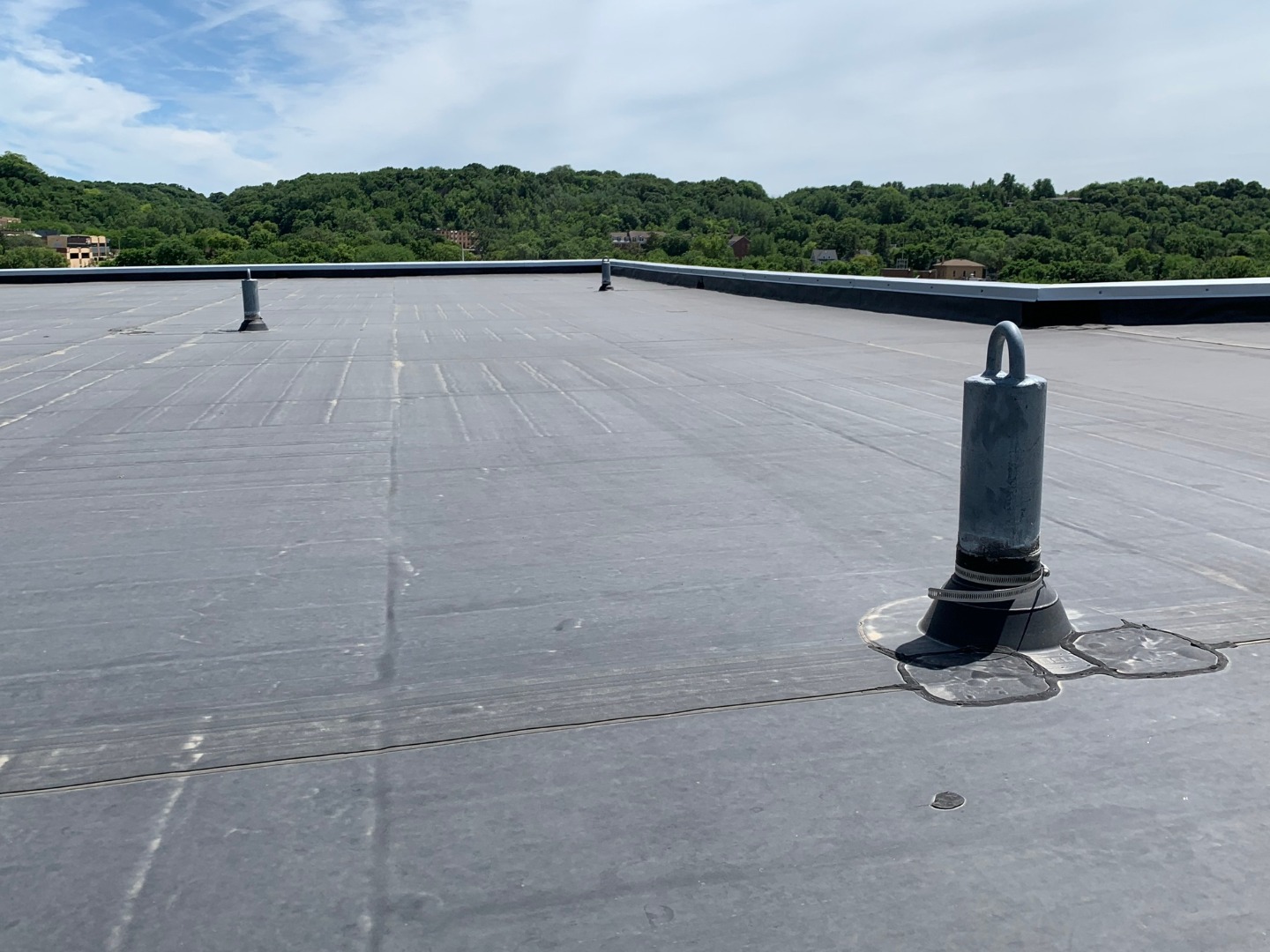
Single-ply membranes, including TPO and EPDM, generally last 15 to 25 years. TPO’s reflective surface holds up well against UV exposure, while EPDM’s durability depends heavily on how well seams were adhered or taped during installation.
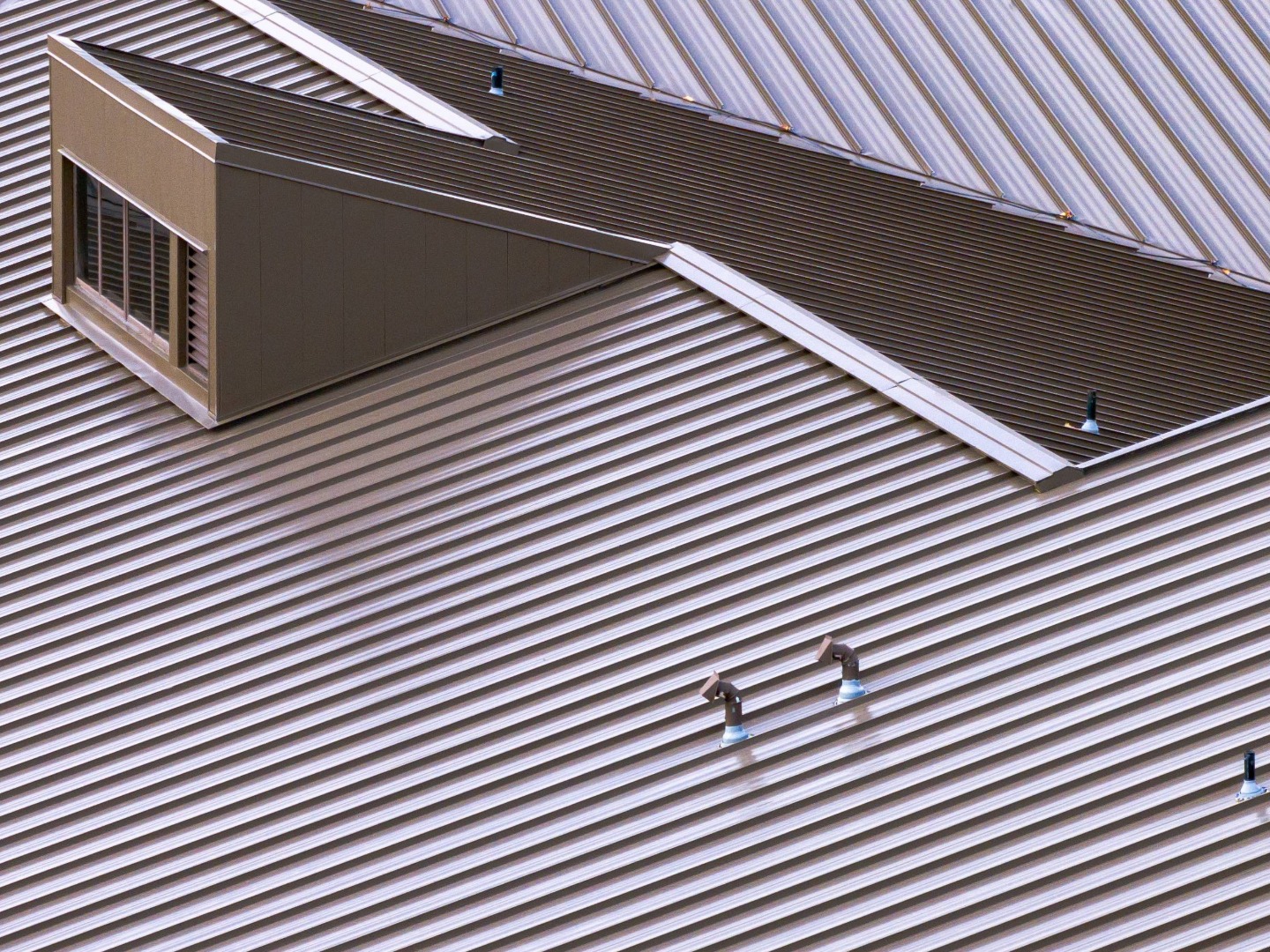
Metal roofing systems often last 30 to 50 years, among the longest lifespans of any commercial roofing option. Coating quality, fastener type, and how well the system handles thermal movement all significantly influence where a metal roof falls within that range.
What Actually Changes These Ranges
Installation quality sets the ceiling for a roof’s entire lifespan before it ever sees its first season of weather. A system installed with poor seam work, inadequate flashing, or rushed detailing will age faster than the same materials installed correctly, regardless of how good the underlying membrane or system is on paper.
Maintenance consistency determines whether a roof reaches the upper or lower end of its expected range. Roofs on a documented inspection schedule catch minor issues, a small seam separation, a clogged drain, an early sign of ponding, while they’re still inexpensive to address. Roofs without that history tend to accumulate small, unaddressed problems that compound into major failures well before their expected end of life.
Climate and exposure play a significant role as well. A roof exposed to constant freeze-thaw cycles, heavy UV exposure, or frequent ponding will wear faster than the same system in a more moderate environment. Rooftop equipment, foot traffic, and the number of penetrations also add wear points that shorten a roof’s effective lifespan compared to a simpler, less complex rooftop.
What We See in the Field
Facilities that consistently get the full expected lifespan out of a roof system share a pattern: documented inspection history going back several years. That history lets us track how a roof is actually aging rather than guessing, which sections are wearing faster than expected, where ponding has started to develop, and which repairs are approaching the point of diminishing returns.
Facilities without that history are often surprised by how far along a roof’s decline actually is by the time a leak becomes visible. A roof nearing the end of its life frequently shows warning signs, blistering, granule loss, seam separation, for years before an actual failure, but those signs go unnoticed without a regular inspection routine in place.
Planning for Replacement Before Failure
A roof approaching the back half of its expected lifespan benefits from a formal condition assessment rather than a wait-and-see approach. This assessment should document current membrane condition, flashing integrity, drainage performance, and any recurring repair locations, giving a facility manager a clear, data-backed picture of how much life realistically remains.
Budgeting for replacement becomes far more manageable when it’s planned years in advance rather than triggered by an emergency. A roof that fails unexpectedly forces a facility into rushed decisions, whichever contractor and system are available fastest, rather than the best long-term option for the building.
What Impacts This the Most
Roof system type sets the baseline lifespan, but installation quality, maintenance consistency, and environmental exposure determine where any individual roof actually falls within that range. A well-maintained modified bitumen roof can outlast a neglected metal roof, even though metal systems typically carry a longer expected lifespan on paper.
Documentation quality also plays a major role in planning. A facility with photos, condition notes, and repair history spanning several years can make replacement decisions based on actual data. A facility without that history is left estimating, often incorrectly, how much useful life a roof has left.
What to Do Next
If a roof is approaching or has passed the midpoint of its expected lifespan, or if there’s no documented condition history to reference, a formal assessment is the right starting point before budgeting for replacement.
Schwickert’s has assessed and replaced roofing systems across Minnesota, Kansas, and the Midwest, and works directly with facilities to build a realistic replacement timeline based on actual roof condition rather than guesswork. Reach out to Schwickert’s to talk through where your roof stands and what to plan for next.