
Repair or replace decisions for schools come down to one question: which option keeps the building safe, open and on budget for the next five to ten years? For facility directors across the Midwest, that question applies to roofs, boilers, rooftop units, plumbing and electrical systems that serve students for decades. A repair buys time. A replacement resets the clock. The right call depends on system age, repair history, failure risk and when the work can actually happen.
This guide covers how to make that call with confidence and how to plan the work around school calendars and capital budgets.
Why School Buildings Need a Different Approach
Schools carry risks most commercial buildings do not. A failed boiler in January can cancel classes. A roof leak over a gym floor or media center can damage equipment the district cannot easily replace. Students, staff and visitors fill the building most of the year, so one disruption affects hundreds of people at once.
Funding adds another layer. Many districts plan major work through long-term facilities maintenance budgets, referendums or bond cycles. A replacement that is not in the plan may wait a year or more for funding. Early, accurate information about each system is worth more than a quick fix.
Timing is the third factor. Most large projects need to fit inside summer break. Missing that window can push a replacement back a full year, which means another season of patch repairs on a system that is already struggling.
What Impacts the Repair or Replace Decision the Most
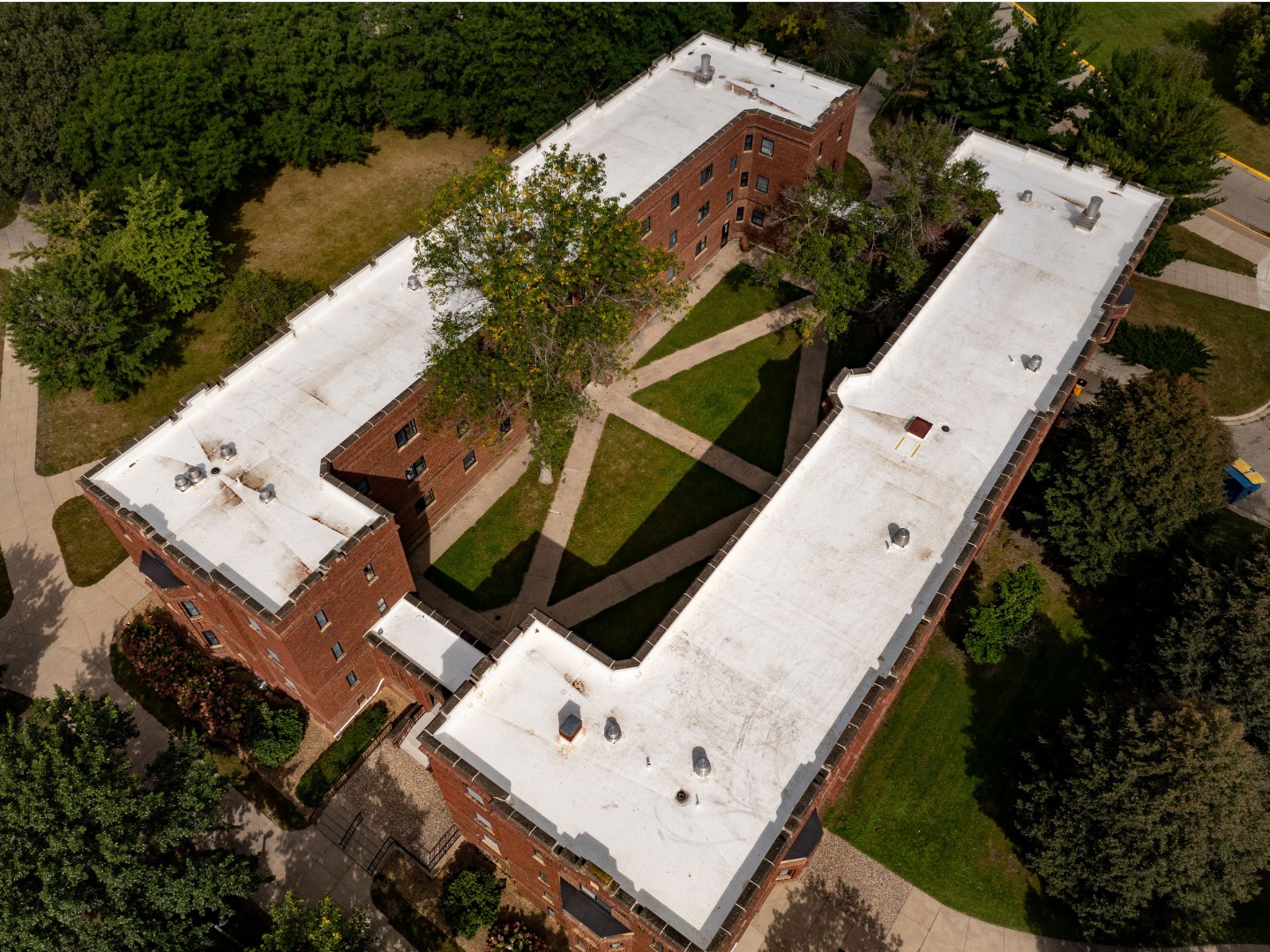
System age compared to expected life. Every system has a typical service life. Rooftop units often run 15 to 20 years, commercial boilers can last 25 years or more, and single-ply roofs like EPDM commonly last 20 to 30 years with good maintenance. Once a system passes roughly three-quarters of its expected life, each repair returns less value. Our guide on how long different roof systems last covers roof lifespans in more detail.
Repair history. One repair in ten years tells a different story than four service calls in two winters. Repeat failures on the same unit usually point to a system near the end of its life.
Repair cost compared to replacement cost. A common rule of thumb is that when a single repair on an aging system approaches 30 to 50 percent of the replacement cost, replacement deserves a serious look.
Failure risk and consequence. A unit serving a storage room carries less risk than the boiler heating an entire elementary wing. Weigh what happens if the system fails in the middle of the school year.
Parts and refrigerants. Older HVAC equipment may rely on phased-out refrigerants or discontinued parts. Repairs get slower and more expensive each year.
Energy use and air quality. Older equipment often uses more energy and can struggle to meet classroom ventilation needs. Newer systems can lower operating costs over their life.
Our commercial HVAC-R team weighs each of these factors on site before recommending a repair or a replacement.
What We See in the Field at Schools
On school buildings across the Midwest, the hardest decisions rarely start with one dramatic failure. They start with a system that has been repaired so many times that no one has a clear picture of its condition. Service records sit in different binders, invoices live in the business office, and the person who knew the unit’s history has retired.
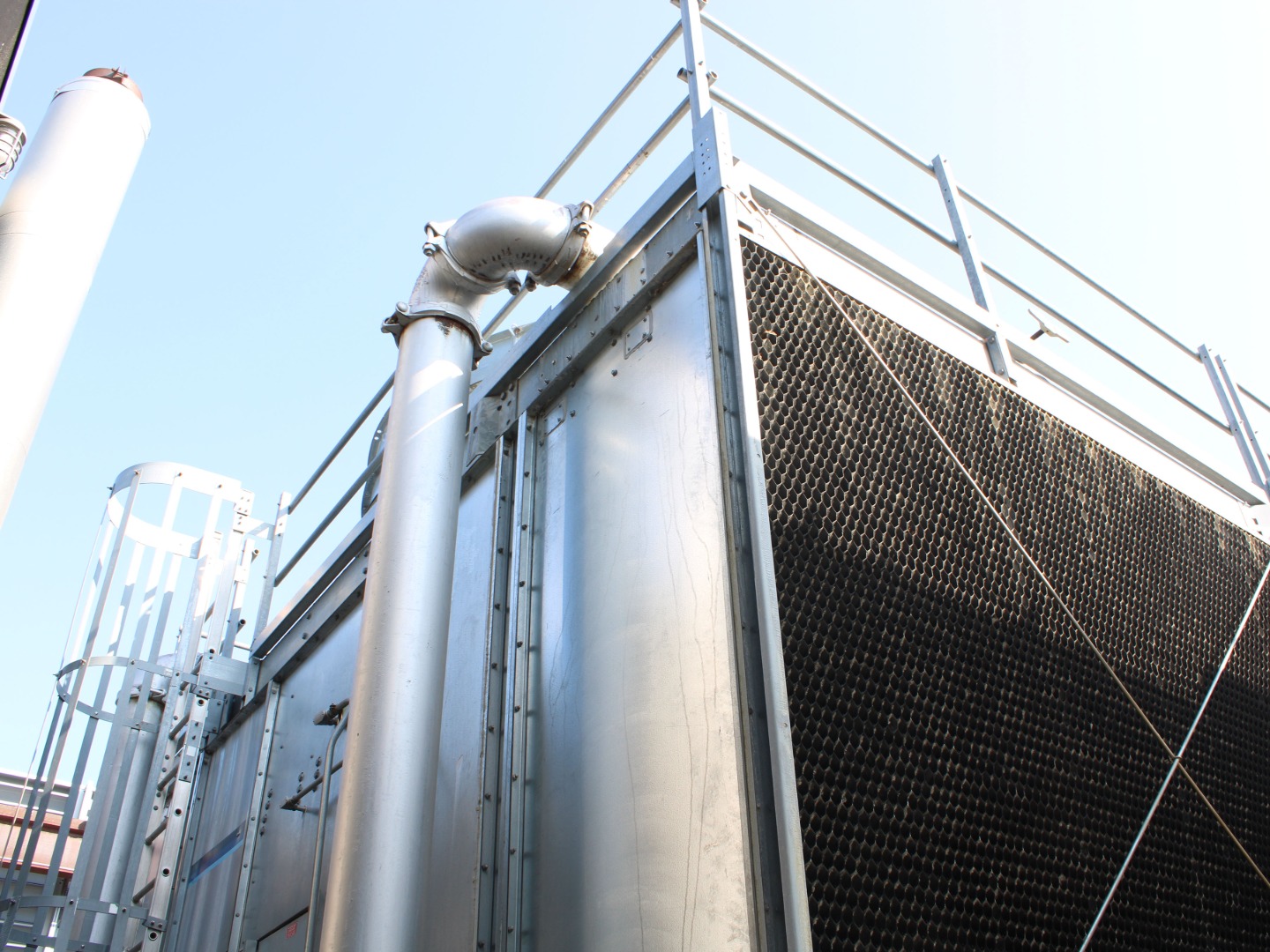
That gap is why Schwickert’s offers the HVAC-R Tracker program for mechanical systems. It starts with a full mechanical audit, then keeps inspection reports, photos, warranty information, service records, and invoices for every unit on one online platform. Each unit receives a rating score based on age and condition, and repairs are graded by priority. Districts can use that data to forecast mechanical spending one to five years out, which fits naturally into long-term facilities planning. Tecta Tracker takes the same approach for roof systems.
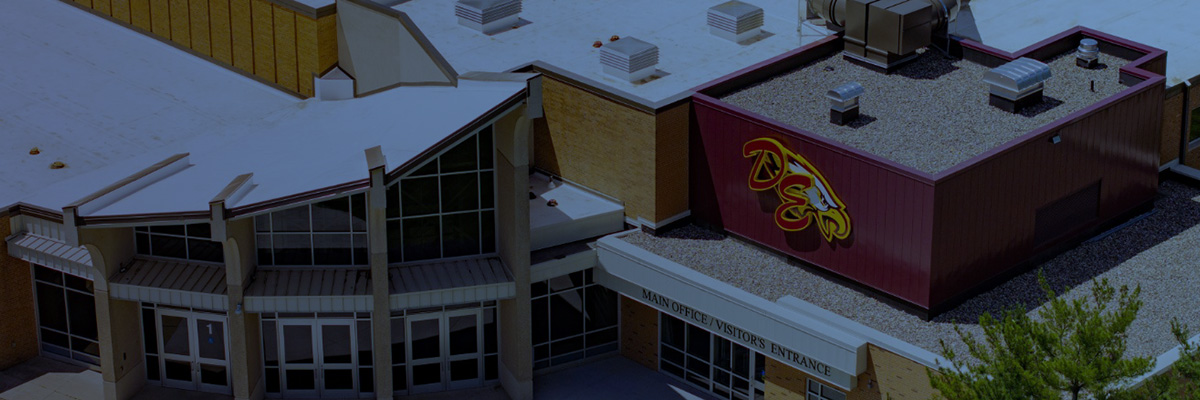
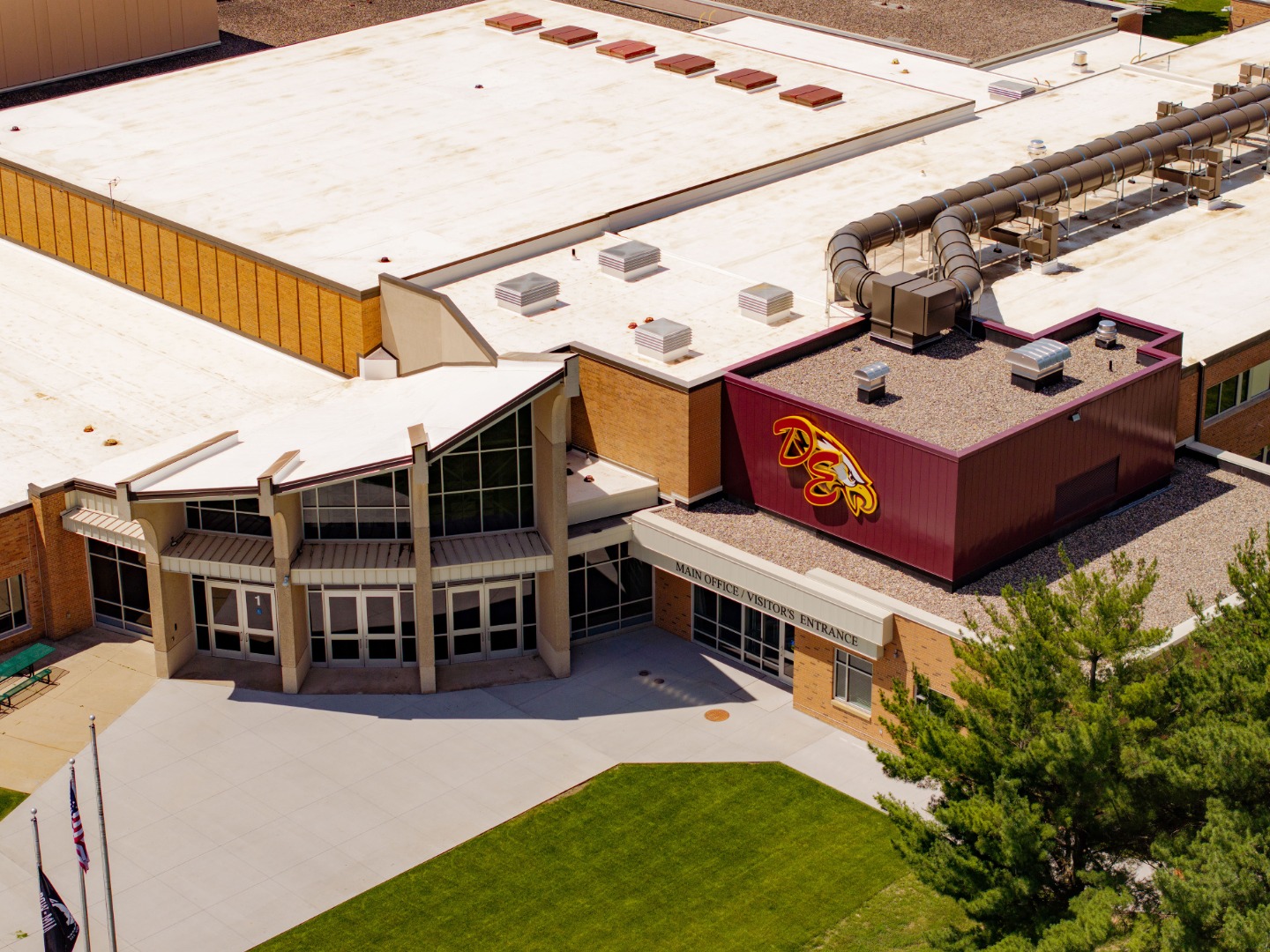
We also see how much planning matters where new work meets an existing building. At Dover-Eyota High School, our crews pulled back sections of the existing roof to tie in the new additions and keep the school dry during construction. Planning those connections early prevents leaks at the seams between old and new systems.
Your Options: Repair, Replace or Phase the Work
Repair fits when a system is in the first half to two-thirds of its life, failures are isolated, parts are available and the repair cost is small compared to replacement. A well-timed repair can carry a sound system to its planned replacement date.
Replace fits when a system is near or past its expected life, repairs are becoming frequent, a failure would disrupt classes, or the equipment no longer meets the building’s needs. Replacing on your schedule creates far less disruption than replacing after an emergency.
Phased replacement works well for districts with many rooftop units or large roof areas. Replacing the highest-risk units or roof sections first spreads costs across several budget cycles and lowers the chance of a mid-year failure.
Bridge repairs are a planned middle ground. They keep a system running safely until a funded replacement in the next summer window. The key is agreeing up front that the repair is temporary, so the district does not keep reinvesting in a system it already plans to retire.
How to Weigh Cost and Budget Timing
Look at the total cost over time. Add the next repair, the repairs you expect over the following three to five years and the extra energy use. Compare that total to the cost of replacement and the years of service it buys. A low-cost repair on a 22-year-old rooftop unit can become the most expensive option once you add the next three service calls and the risk of an emergency replacement in winter.
Emergency replacements usually cost more. Equipment may need to be expedited, crews may work after hours, and the building may need temporary heat. Planned replacements let you compare options, order equipment early and schedule installation for summer break.
Purchasing rules shape timing too. Public schools often follow formal bidding requirements on larger projects. Schwickert’s has been qualified and vetted through cooperative purchasing partners, which lets K-12 schools and colleges select a vetted contractor while the cooperative handles bid preparation, advertising and evaluation. That can shorten the path from decision to scheduled work.
Common Mistakes Schools Make With Repair or Replace Decisions
Deciding during an emergency. Choices made during a January breakdown are limited to whatever equipment is available fast.
Looking only at the repair invoice. The lowest price today is often the highest cost over five years.
Starting summer planning in spring. By then, equipment lead times and approval schedules may already push the work past the break.
Treating systems in isolation. A roof replacement is the right time to address rooftop units, curbs and penetrations. Replacing a roof and then cutting into it for new HVAC equipment a year later adds cost and leak risk. With roofing, HVAC, plumbing and electrical teams under one company, Schwickert’s can plan those trades together.
Losing the paper trail. Without repair records, every decision becomes a guess.
What Should School Facility Directors Do Next?
Start with a simple inventory of major systems that lists each one’s age, last major repair and known issues. Flag anything past three-quarters of its expected life or with repeat service calls this year. Get a professional assessment on those systems before budget season so your capital plan uses real replacement costs. Then match the highest-risk items to your next summer window.
Schedule a School Facility Assessment With Schwickert’s
Since 1906, Schwickert’s has helped Midwest building owners keep their facilities running, including school projects like Byron High School and Dover-Eyota High School. If your district is weighing a repair against a replacement, our team can assess your roofs and mechanical systems and help you build a plan that fits your calendar and budget. Call 507-387-3101 or contact us to schedule an assessment before next year’s budget is set.