Seasonal weather changes can create unexpected problems for commercial facilities. Cold temperatures can put plumbing at risk, summer heat can strain HVAC equipment, and heavy rain can expose weaknesses in a building’s roof or drainage system. Understanding these risks helps facility managers identify warning signs, plan maintenance, and avoid unnecessary disruptions.
Common facility problems caused by seasonal weather often begin with small issues that go unnoticed until conditions worsen. Because roofing, HVAC, plumbing, and other building systems work together, a problem in one area can affect the rest of the facility. Knowing what to look for throughout the year can help you address concerns before they become more expensive to repair.
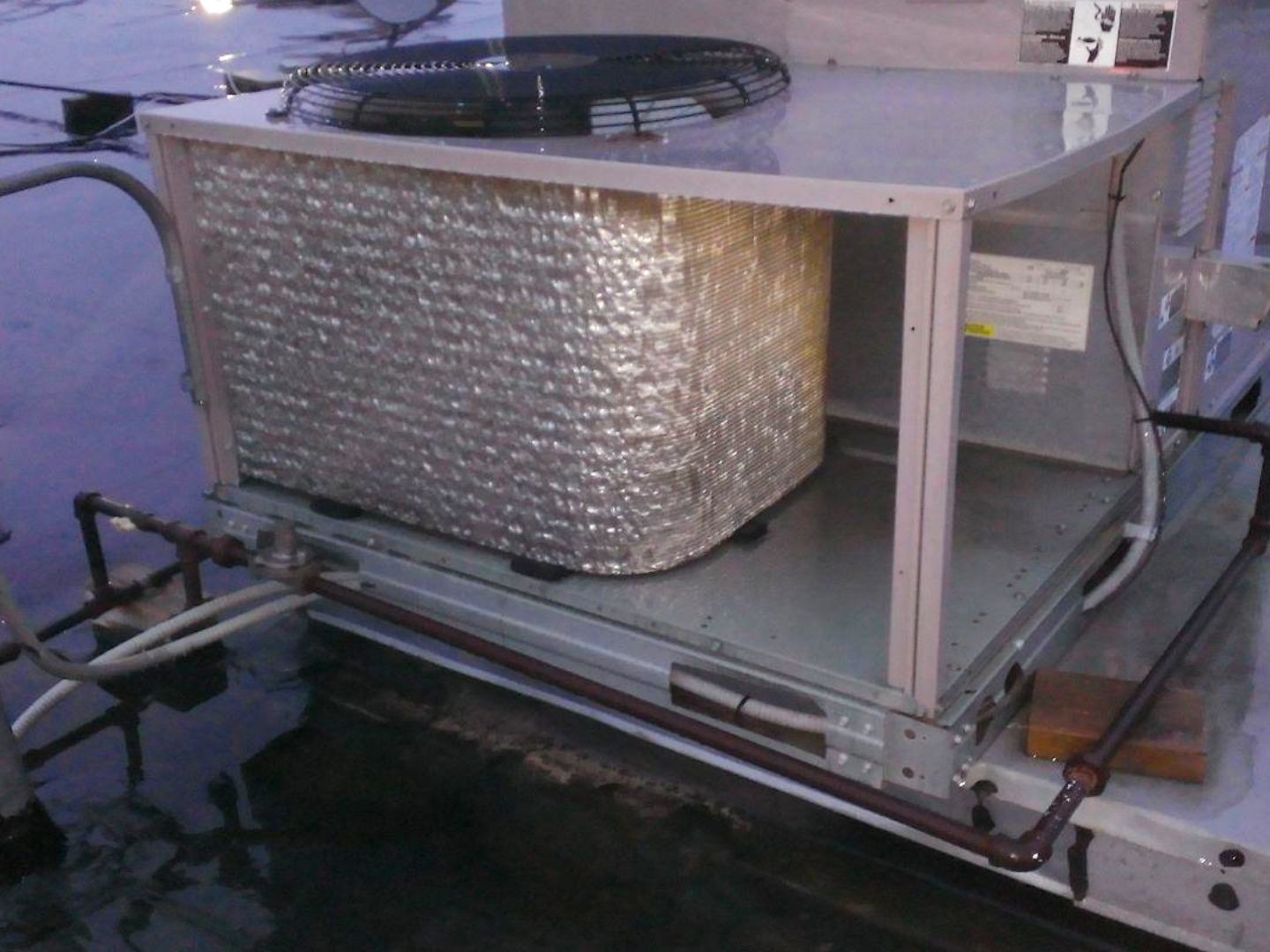
Common Facility Problems Caused by Winter Weather
Winter creates several challenges for commercial buildings, especially when temperatures remain below freezing for extended periods.
Frozen Pipes and Plumbing Damage
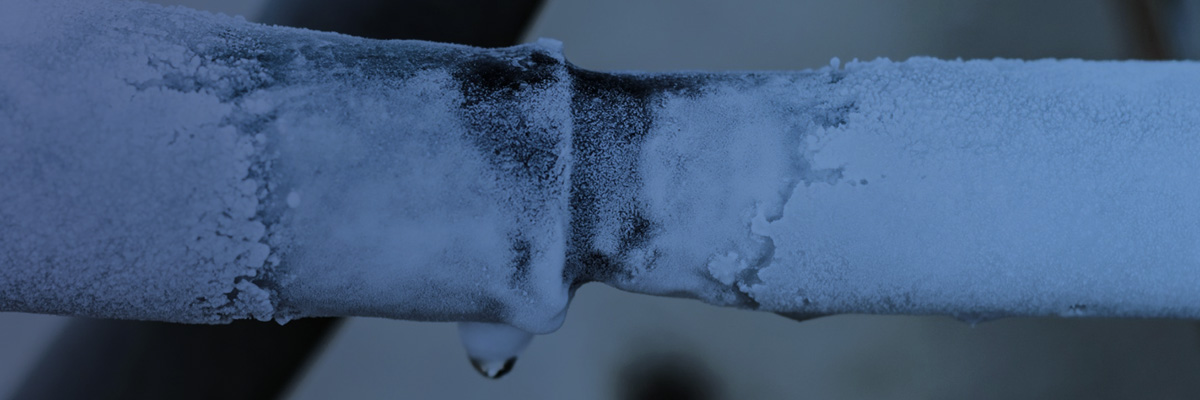
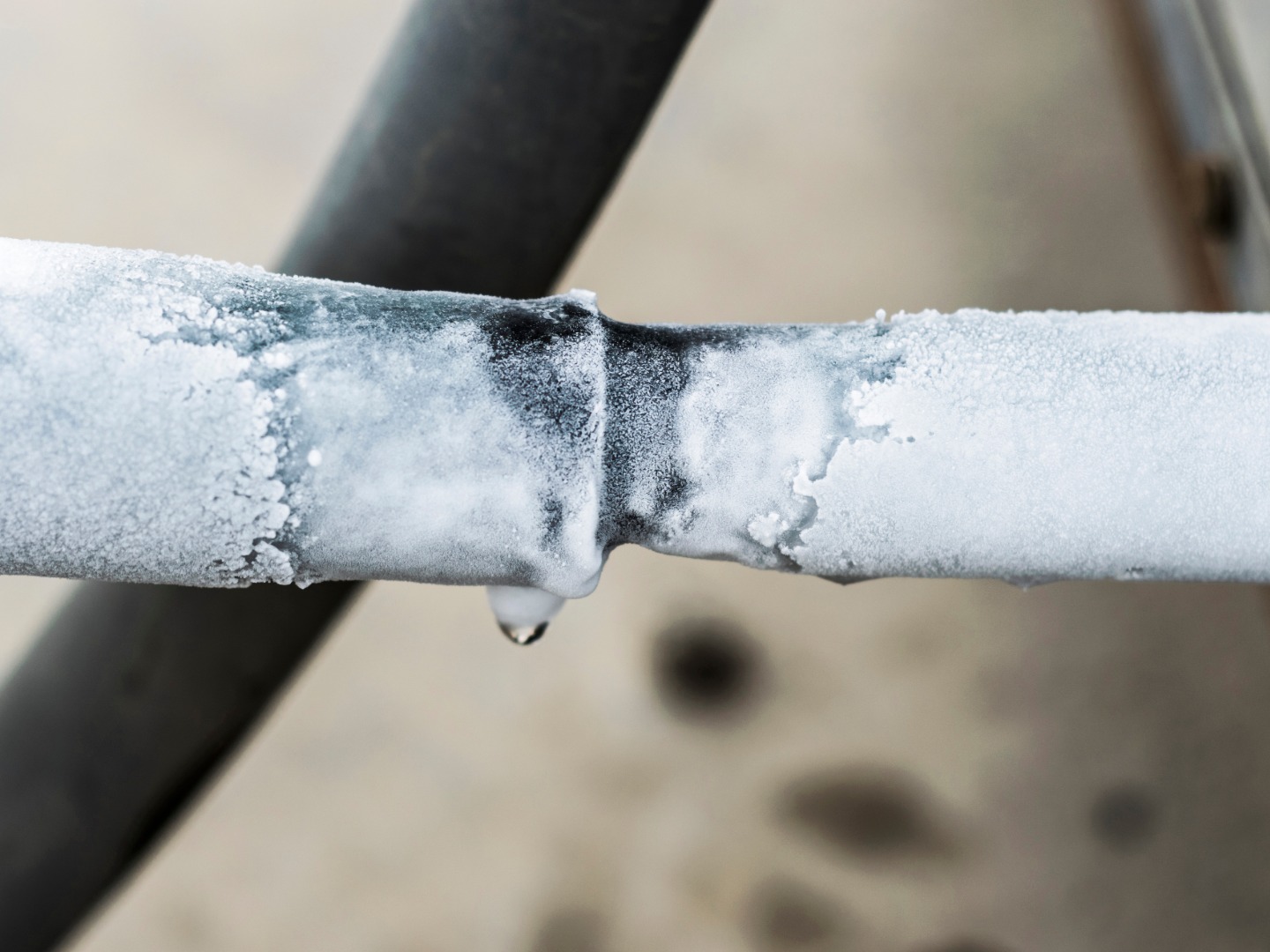
When temperatures drop, water inside exposed or poorly protected pipes can freeze and expand. This can damage pipes, joints, and fittings, potentially causing leaks or bursts when the ice thaws.
Pipes in exterior walls, loading docks, and unheated storage areas may be particularly vulnerable. Facility managers should identify these areas before winter, maintain appropriate indoor temperatures, and address insulation gaps.
If water pressure suddenly drops or a pipe appears frozen, contact a qualified plumbing professional. Avoid using open flames to thaw pipes because of the fire risk. Schwickert’s commercial plumbing services can help businesses address plumbing concerns and maintain their facilities.
Heating Systems That Struggle During Cold Snaps
Commercial heating systems work harder when outdoor temperatures fall. Equipment with worn components, restricted airflow, or inadequate maintenance may struggle to maintain comfortable indoor temperatures.
Watch for uneven heating, unusual noises, frequent system cycling, and rooms that remain cold despite thermostat adjustments. These symptoms warrant investigation before a complete breakdown interrupts building operations.
Scheduling preventive maintenance before winter helps identify potential problems before heating demand peaks. Schwickert’s commercial HVAC services can help facility managers address equipment concerns and maintain reliable heating and cooling.
Roof and Drainage Problems From Snow and Ice
Snow accumulation, ice formation, and repeated freezing and thawing can expose weaknesses in commercial roofing systems. When snow melts, water needs a clear path off the roof. Blocked drains and areas where water collects can increase the risk of moisture intrusion.
Facility managers should arrange professional assessments when they notice recurring leaks or drainage concerns. Avoid accessing icy roofs without appropriate training and safety equipment.
What Spring Rain and Thawing Can Reveal
Spring weather can expose problems that developed during winter. Melting snow, heavy rainfall, and changing temperatures may reveal roof damage, drainage issues, and moisture intrusion.
Leaks and Water Intrusion
Ceiling stains, damp walls, and water near rooftop equipment can indicate a building-envelope problem. Water may enter through damaged roofing materials, deteriorated flashing, or vulnerable joints before appearing inside the building.
The location of a stain does not always reveal the source because water can travel along structural components. Document the affected area, protect nearby equipment and materials, and arrange a professional assessment.
For additional guidance, read Schwickert’s related blog on how often a commercial roof should be inspected. Regular inspections can help identify developing concerns and determine whether repairs are needed.
Drainage Problems Around the Building
Spring rainfall can reveal drainage issues near entrances, foundations, parking areas, and loading zones. Standing water may indicate blocked drains, inadequate grading, or drainage systems that cannot handle runoff effectively.
Persistent moisture can create slip hazards and affect building materials. Check that accessible exterior drains and designated drainage paths remain clear. If water repeatedly collects in the same location, investigate the underlying cause rather than relying on temporary cleanup.
What Summer Heat Can Do to Your Facility
High temperatures, humidity, and severe storms create a different set of challenges for commercial buildings.
Overworked HVAC Systems
During hot weather, commercial air conditioning systems must remove more heat from the building. High occupancy, heat-producing equipment, and frequent loading-dock activity can increase cooling demand.
If the system cannot maintain the desired temperature, possible causes include restricted airflow, dirty components, control problems, or equipment that no longer meets the building’s needs.
Watch for warm rooms, unusual noises, inconsistent airflow, and unexplained increases in energy use. These symptoms do not automatically mean the equipment needs replacement, but they should be investigated.
Humidity and Severe Storms
High humidity can contribute to condensation when cooling systems do not adequately manage indoor moisture. Persistent dampness may indicate an HVAC, insulation, or building-envelope problem.
Summer storms can also damage roofing materials, exterior components, and rooftop mechanical equipment. After severe weather, look for signs of water intrusion from safe locations and arrange a professional inspection if you suspect damage.
Addressing these concerns promptly can help prevent minor issues from affecting other building systems.
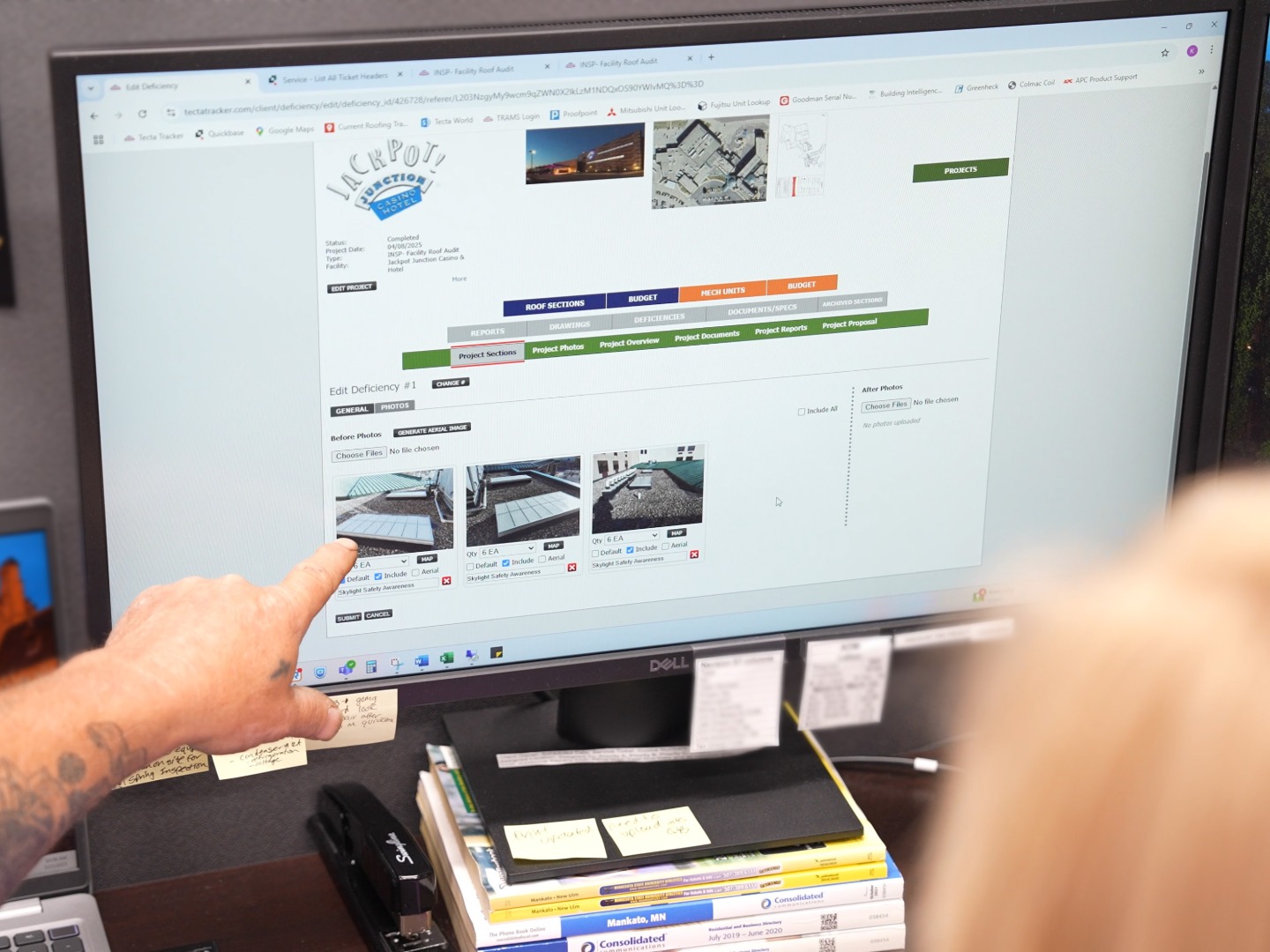
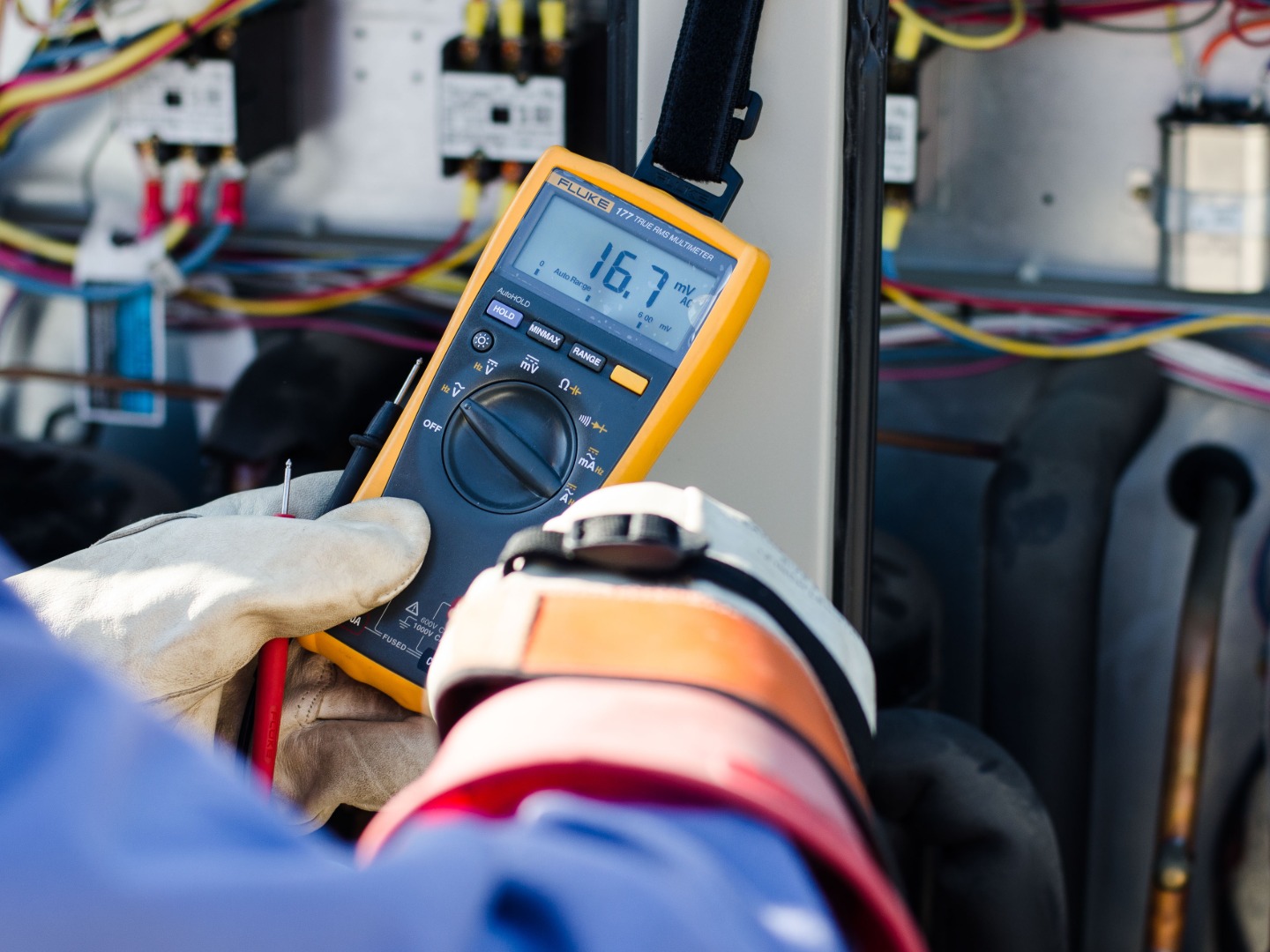
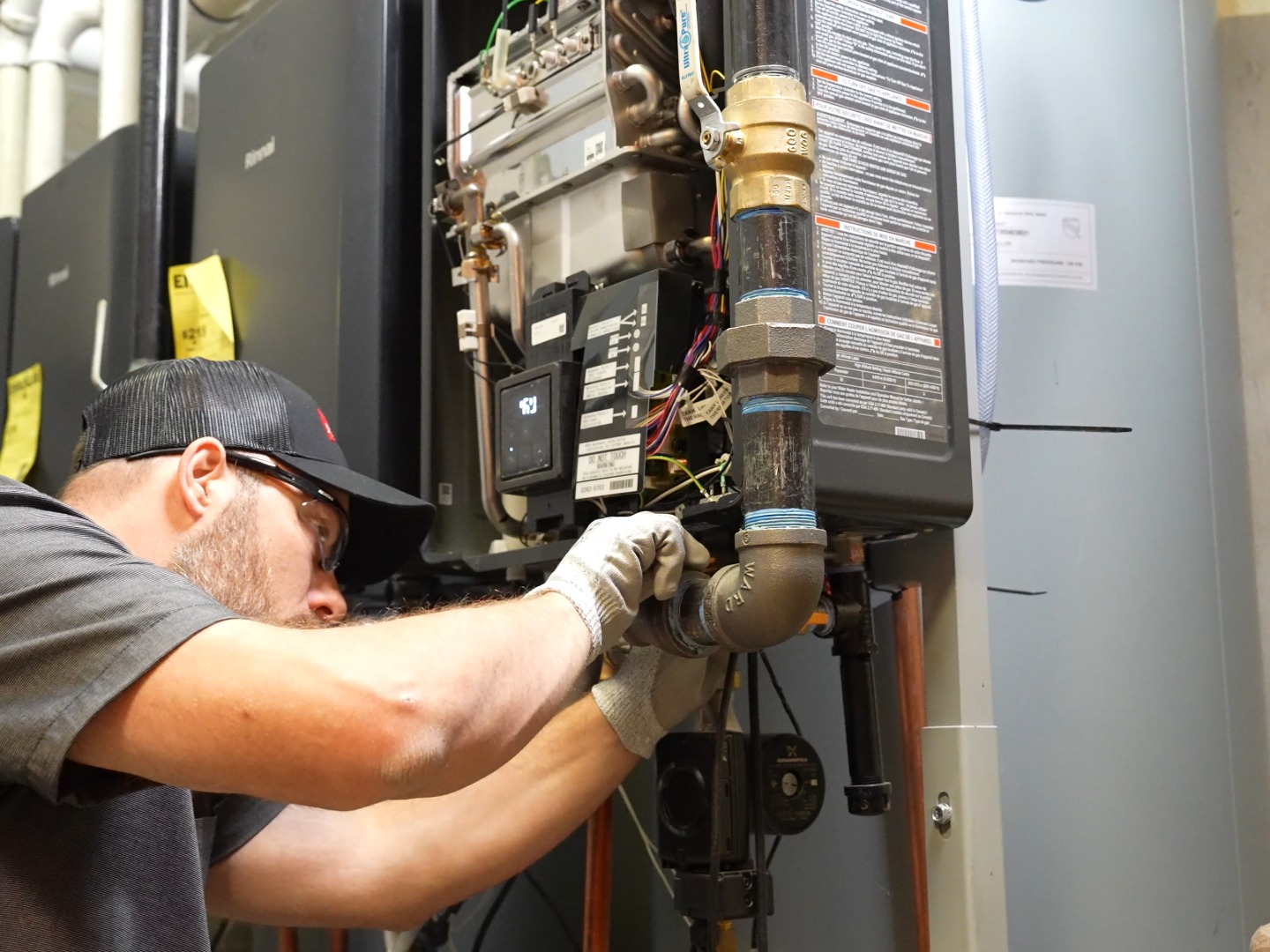
What We See in the Field: Why One Problem Can Affect Multiple Systems
Commercial building systems do not operate independently. A roof leak can affect insulation, ceiling materials, and nearby mechanical equipment. A heating problem may reveal insulation gaps or inconsistent temperatures. A plumbing leak can damage interior finishes and disrupt normal operations.
This is why facility managers should investigate the cause of a problem rather than addressing only its visible symptoms. Replacing a damaged ceiling tile, for example, will not resolve the issue if water continues entering through the roof.
Schwickert’s provides commercial services across multiple trades, including roofing, HVAC, plumbing, and electrical services. This range of expertise is valuable when a facility problem crosses into more than one system. Instead of treating every symptom as an isolated issue, facility managers can consider the building’s interconnected systems and determine which repairs or services are needed.
When documenting a recurring problem, record where it occurs, when it started, and whether it coincides with temperature changes or precipitation. These details can help service professionals investigate the cause and recommend appropriate next steps.
Not every commercial building faces the same weather-related risks. Several factors influence which problems are most likely to occur.
- Building age and condition: Older equipment and components with a history of repairs may need closer attention during temperature extremes.
- Maintenance history: Deferred maintenance can leave existing issues unresolved when systems face heavier seasonal demand.
- Building design: Roof drainage, insulation, pipe locations, and HVAC system design all influence how a building responds to weather.
- Operating schedule: Facilities that operate around the clock may have fewer opportunities for maintenance and less flexibility when equipment fails.
- Weather exposure: Buildings exposed to heavy snowfall, strong winds, frequent temperature swings, or high humidity may need additional preparation.
These factors should guide maintenance priorities. A facility with recurring winter plumbing issues needs a different plan from one that experiences summer cooling problems or spring drainage concerns.
Common Mistakes Facility Managers Should Avoid
Seasonal maintenance is most effective when it addresses problems before they interrupt operations. Avoid these common mistakes:
Waiting for visible damage. Unusual noises, inconsistent temperatures, and recurring moisture can indicate developing problems. Investigate warning signs instead of waiting for a system to fail.
Treating symptoms instead of causes. Cleaning up water or replacing damaged materials will not solve a problem if its source remains unresolved.
Using the same maintenance plan every year. Equipment ages, building needs change, and previous repairs may reveal new concerns. Review maintenance priorities regularly.
Waiting until extreme weather arrives. Scheduling service during a cold snap or heat wave can be more disruptive than addressing known concerns beforehand.
How to Prepare Your Facility for Each Season
A practical seasonal maintenance plan helps facility managers organize inspections, prioritize repairs, and reduce unexpected disruptions.
Before winter: Schedule heating maintenance, identify vulnerable plumbing, and review roof drainage conditions. Address known problems before freezing temperatures arrive.
During spring: Investigate signs of winter damage, review drainage performance, and address leaks or persistent moisture. Document recurring concerns for future maintenance planning.
Before summer: Schedule HVAC service, investigate cooling complaints, and assess rooftop equipment following severe weather.
During fall: Review outstanding repairs, examine maintenance records, and prepare building systems for colder weather. Planning ahead can also help facility managers schedule work around normal operating hours.
Keep records of inspections, repairs, equipment concerns, and recurring complaints. Over time, these records can reveal patterns, support budget planning, and help determine when repair or replacement deserves consideration.
Stay Ahead of Seasonal Facility Problems With Schwickert's
Seasonal weather is unavoidable, but many weather-related problems can be identified before they disrupt your facility. Understanding how changing temperatures and precipitation affect roofing, HVAC, plumbing, and other building systems helps facility managers make informed maintenance decisions.
Schwickert’s offers commercial services to help businesses maintain their buildings throughout the year. Whether you need help investigating a leak, addressing HVAC concerns, or resolving a plumbing issue, the right professional assessment can help you determine the next steps.
Contact Schwickert’s to discuss your facility’s maintenance needs and prepare your building for changing seasonal conditions.